Last week, the United Nations' Intergovernmental Panel on Climate Change quietly walked back its most alarming projections, acknowledging that its earlier models predicting 4 to 5 degrees Celsius of warming by 2100 now look implausible. The shift came as researchers noted that falling renewable energy costs, new climate policies, and recent emission trends have made the high-end scenarios unlikely. Yet for a generation raised on those warnings, the damage may already be done.
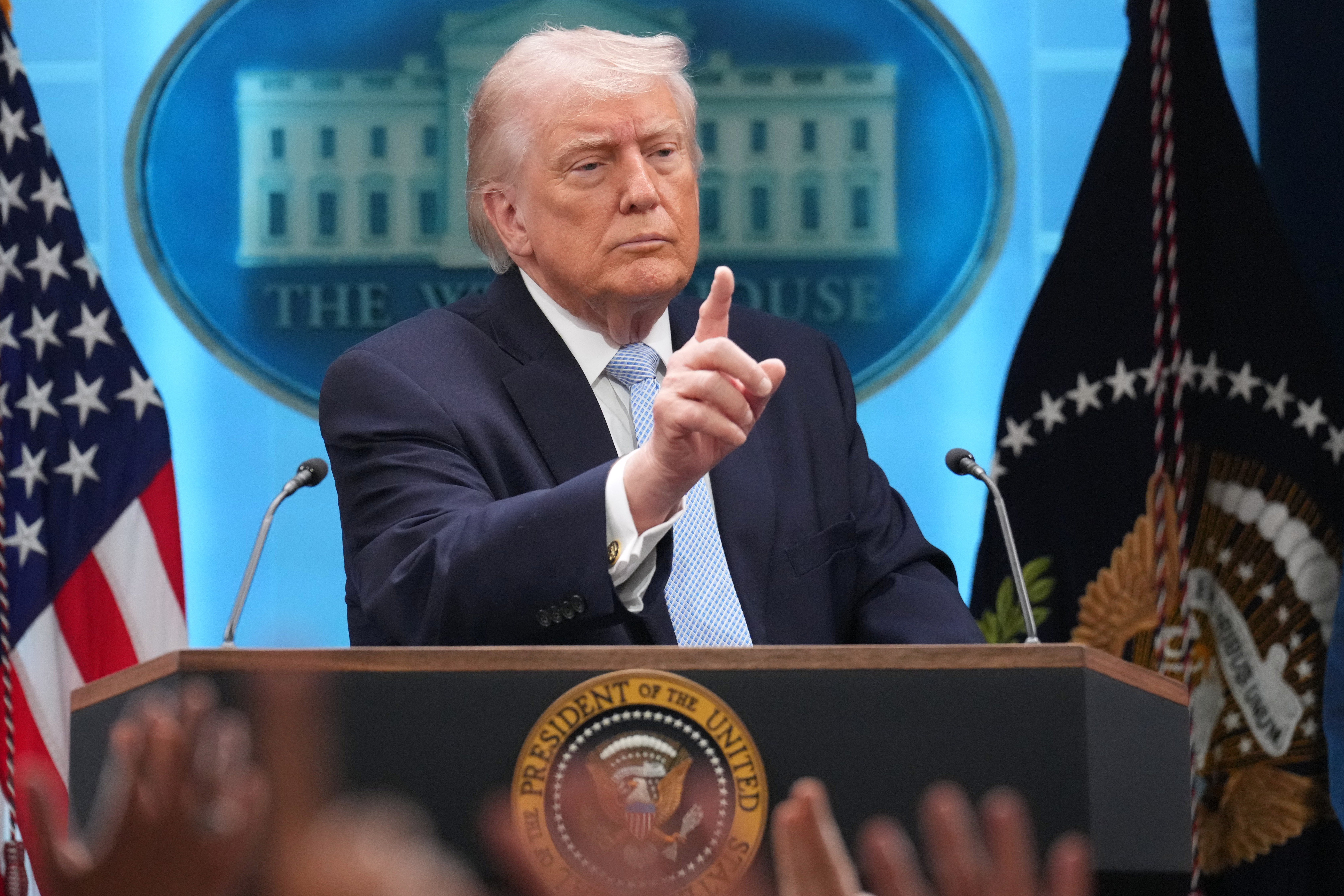
President Trump celebrated the reversal on Truth Social, declaring, "GOOD RIDDANCE! After 15 years of Dumocrats promising that 'Climate Change' is going to destroy the Planet, the United Nations TOP Climate Committee just admitted that its own projections … were WRONG! WRONG! WRONG!" The sentiment echoes a broader skepticism among voters—Republicans, Democrats, and independents alike—who never bought the apocalyptic narratives but watched them fuel billions in taxpayer spending and widespread anxiety.
That anxiety has landed hardest on Gen Z. A December 2021 study in The Lancet found that more than half of young people reported feeling sad, anxious, angry, powerless, helpless, or guilty about climate change. Environmental groups raked in donations while the mental toll mounted. The doomsday drumbeat, combined with the COVID-19 pandemic's disruptions—school closures, mask mandates, social distancing, and vaccine requirements—created a perfect storm of distress.
Gen Z also entered college to find curricula hijacked by identity politics rather than practical career training. Tenured professors pushed woke edicts, often inflating grades out of guilt for failing to prepare students for the job market. Meanwhile, the political landscape forced them into partisan silos during the Trump era, demanding they choose sides and reject opposing views.
As a former White House and Pentagon official, I've watched this generation shoulder an unfair burden. They've been pawns in a series of grifts—from climate alarmism to COVID fearmongering to political tribalism. The leaders of our nation owe them an apology. But more than that, they need to reclaim their future by thinking for themselves.
The UN's admission is a small step toward honesty, but it doesn't undo the years of scare tactics. Gen Z has every right to ask, "Which office do we go to get our future back?" The answer lies not in institutions that failed them but in their own critical thinking. Question everything. Examine every fact. Build your better future on your own conclusions—because we need you more than you need us.