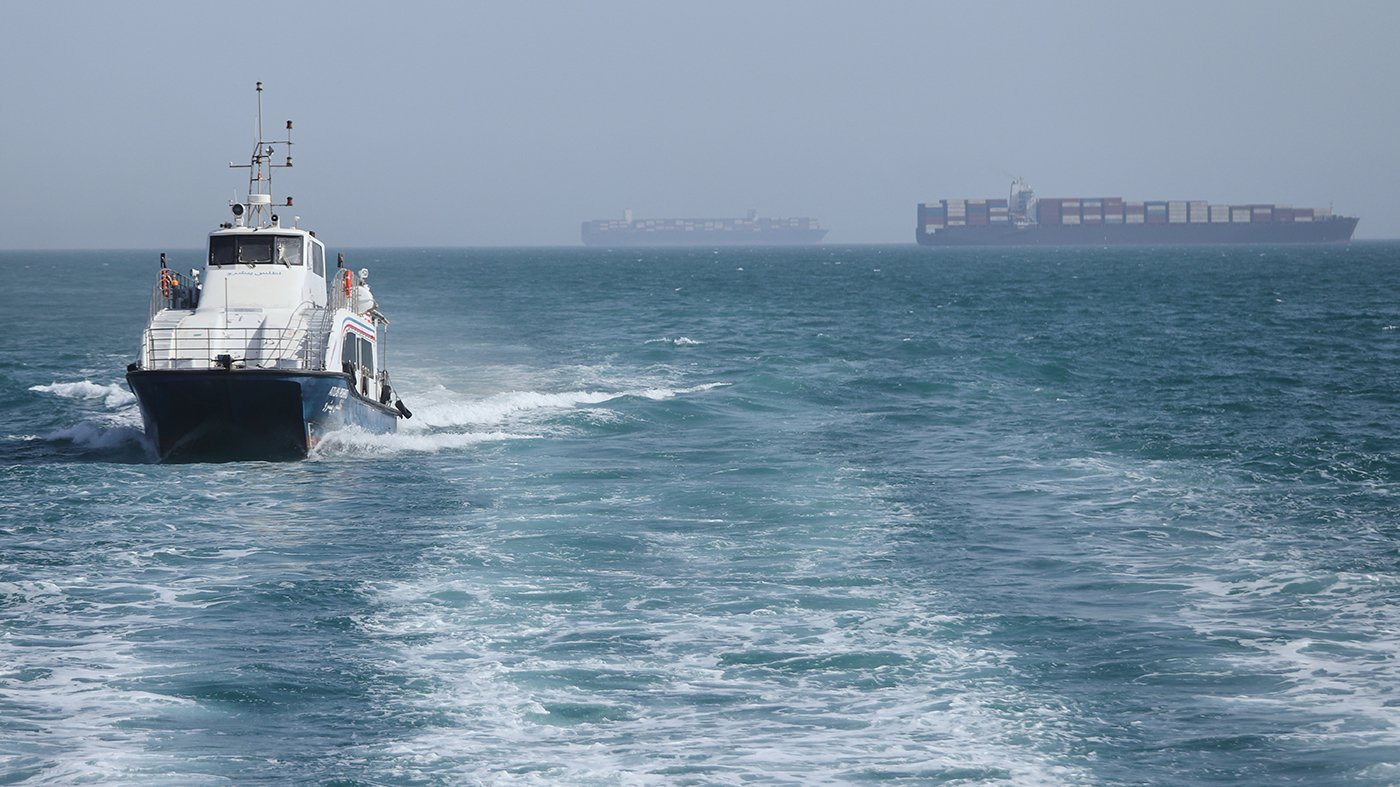
President Trump is confronting escalating pressure from multiple directions to restore access to the Strait of Hormuz, the critical Middle Eastern waterway, as Americans head into Memorial Day weekend facing the highest gas prices in nearly four years. The standoff with Iran has become a defining test of his presidency, with economic pain at the pump and sinking approval ratings forcing a reckoning.
Iran is being pressed by Qatari and Pakistani mediators to reach an agreement with Washington, but Trump is also feeling the heat. Gregory Brew, an Iran analyst at Eurasia Group, noted that the president's political position is weakening. “The polling is obviously bad. Energy prices have been moving up this week, we saw some pretty negative moves on the market, both equities and bonds starting to respond unfavorably to the continued status quo,” Brew told The Hill. “The news of diplomacy has helped to rally markets in the last two days, but it’s all predicated on the two sides reaching a deal at the same time.”
Trump’s decision to remain in Washington this weekend, skipping his son’s wedding, has fueled speculation that a major decision on Iran is imminent. According to Brew, a reportedly tense call between Trump and Israeli Prime Minister Benjamin Netanyahu was followed by “intense” diplomatic moves between Washington and Tehran. “I was also being told yesterday that the two sides were close to an agreement, but they couldn’t get there. Today, it looks like they’re making further efforts,” he added.
Earlier this week, Trump threatened military action but then pulled back, allowing diplomacy to proceed. Pakistan’s army chief, Field Marshal Syed Asim Munir, was in Tehran on Friday, with a Qatari negotiating team expected this weekend, highlighting the pressure on Iran to strike a deal. Secretary of State Marco Rubio confirmed some movement, saying, “We await word on those conversations that are ongoing. There’s been some slight progress. I don’t want to exaggerate it, but there’s been a little bit of movement, and that’s good.” Rubio also serves as Trump’s national security adviser. For more on Rubio's comments, see our coverage of his remarks.
However, Axios reported that Trump is seriously considering renewed airstrikes if negotiations stall. He convened a Friday morning meeting with top national security officials, including Defense Secretary Pete Hegseth and CIA Director John Ratcliffe, along with Vice President Vance and White House chief of staff Susie Wiles. Joint Chiefs Chair Gen. Dan Caine was at the Naval Academy graduation, and Rubio was in Europe. Brew assessed the odds: “If they can’t clinch a deal now in the next few days, I think it’s increasingly likely that the U.S. tries to change the status quo with military force. So right now it’s essentially a coin flip.”
Hawks on Capitol Hill are pushing for a military solution. Sen. Roger Wicker (R-Miss.), chair of the Senate Armed Services Committee, argued that this moment “will define” Trump’s legacy and that the commander in chief is being “ill advised to pursue” a deal with Tehran “that would not be worth the paper it is written on.” Wicker added, “Our commander-in-chief needs to allow America’s skilled armed forces to finish the destruction of Iran’s conventional military capabilities and reopen the strait. Further pursuit of an agreement with Iran’s Islamist regime risks a perception of weakness. We must finish what we started. It is past time for action.”
Rubio and other U.S. officials have reiterated that Iran cannot acquire a nuclear weapon and must reopen the Strait of Hormuz, through which about 20% of the world’s oil and gas flows. Iran wants to defer talks on its nuclear program and its 440 kilograms of enriched uranium to a second phase. The U.S. proposal reportedly involves a memorandum of understanding to end the conflict, with a 30-day or longer window to negotiate a “final deal.” During that period, the U.S. would ease sanctions and withdraw troops from around Iran as Tehran loosens its grip on the strait. The deal would also require Israel to end fighting against Hezbollah in Lebanon and establish an economic reconstruction fund for Iran, according to journalist Alex Marquardt.
Danielle Pletka, a senior fellow at the American Enterprise Institute, said even those who speak regularly with Trump have no clue whether he leans toward strikes or a deal. “I think ideally he does not want military action to restart, but the Iranians are playing games, and you know, suggesting progress, and then suggesting no progress, and so I don’t think there’s any authoritative answer to the question of will he or won’t he, will they or won’t they,” Pletka said. “It’s a complete black hole.” Trump’s approval ratings have hit record lows amid the conflict, particularly on the economy, traditionally his strong suit. Only 34% of respondents approved of his job performance, according to recent polls. The crisis has also sparked GOP rebellion over his handling of the war and related spending.