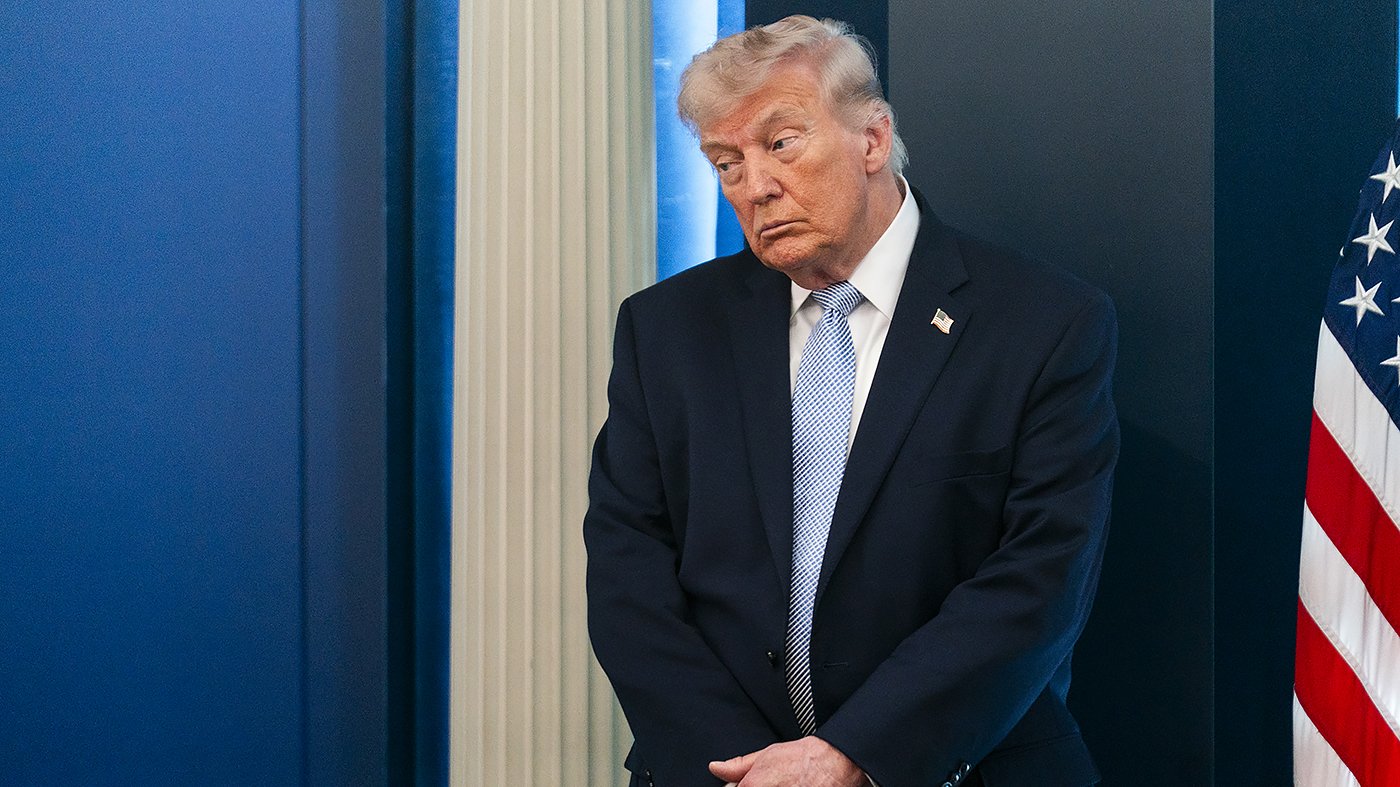
President Donald Trump declared a temporary halt to U.S. military action against Iran on Tuesday, offering a two-week suspension in exchange for Iran reopening the strategic Strait of Hormuz. The announcement came via a post on his Truth Social platform just hours before an 8 p.m. EDT deadline he had previously set for a deal on the vital waterway.
Diplomatic Intervention and a "Double-Sided Ceasefire"
Trump attributed the pause to conversations with Pakistani Prime Minister Shehbaz Sharif and Field Marshal Asim Munir, which he said resulted in a "double sided ceasefire." He stated that military objectives had been "met and exceeded," and that negotiations were "very far along" toward a definitive agreement for long-term peace with Iran and broader stability in the Middle East.
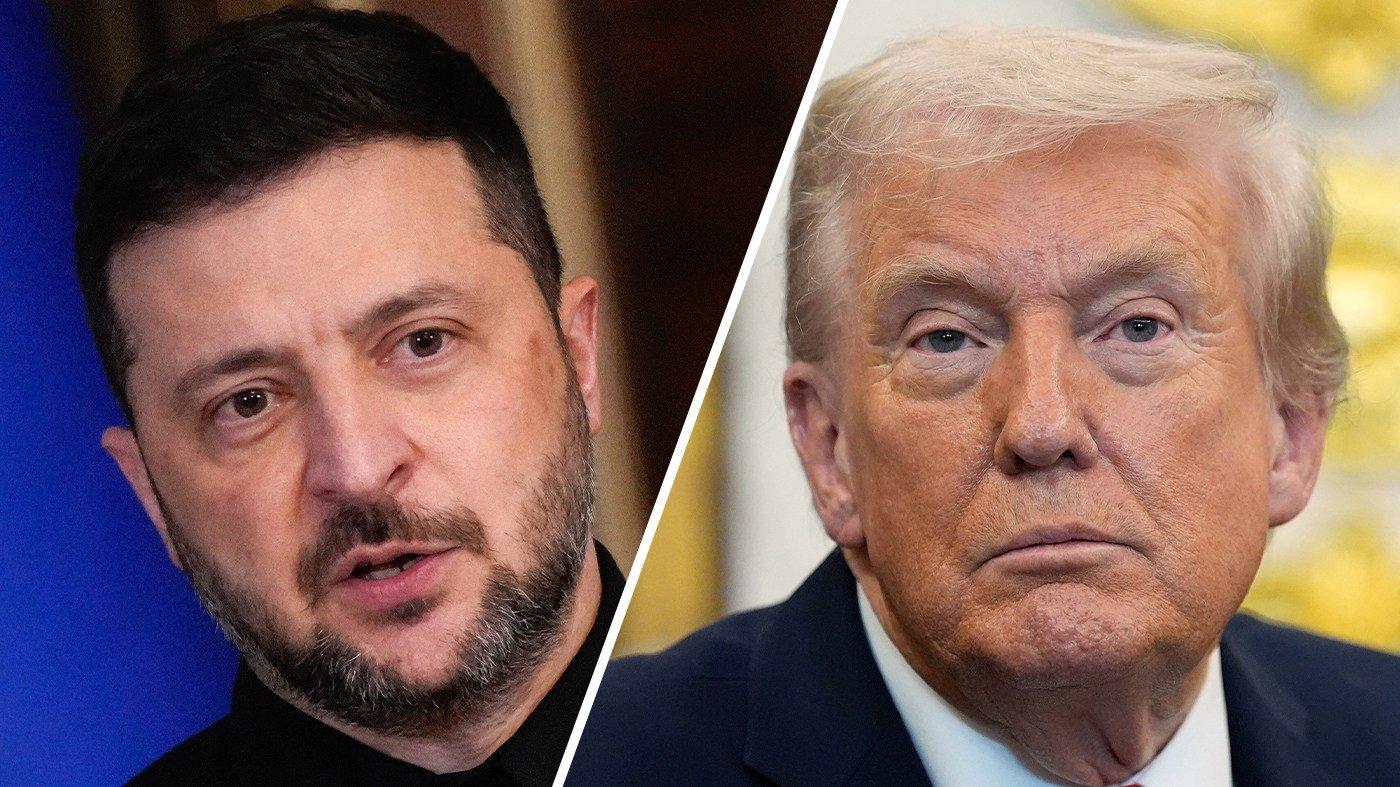
The president revealed that a 10-point proposal had been received from Iranian officials, which he characterized as a "workable basis on which to negotiate." He claimed that "almost all of the various points of past contention" between the United States and Iran had already been agreed upon, with the two-week window intended to finalize the details.
Broader Political Context and Domestic Backlash
This development follows a period of intense geopolitical tension marked by Trump's stark ultimatums to Iran, which had drawn significant bipartisan criticism and roiled global markets. The president's earlier rhetoric had also created fissures within the Republican Party, with figures like Senator Lisa Murkowski publicly urging de-escalation.
The move toward a temporary ceasefire aligns with reported counsel from allies. Senator JD Vance had reportedly warned the president that a full-scale conflict with Iran could trigger regional chaos and alienate voters. Furthermore, the Pakistani leader's involvement appears to have been prescient, as Sharif had previously urged an extension of the deadline and proposed a two-week diplomatic window.
Trump's statement framed the potential agreement in grand terms, saying, "On behalf of the United States of America, as President, and also representing the Countries of the Middle East, it is an Honor to have this Longterm problem close to resolution."
Unresolved Questions and Path Forward
While the announcement signals a shift from immediate military confrontation to diplomacy, key details remain unclear. The specific terms of Iran's 10-point proposal and the exact U.S. concessions are not public. The condition linking the ceasefire to Iran opening the Strait of Hormuz introduces a tangible, immediate benchmark for the diplomatic period.
The two-week timeline sets a new diplomatic clock ticking, during which both nations will attempt to codify what Trump describes as substantial preliminary agreements into a formal pact. The outcome will have profound implications for global energy security, given the Strait of Hormuz's role as a conduit for roughly one-fifth of the world's oil supply, and for the political landscape in the Middle East.
This pause also occurs against a backdrop of intense domestic political scrutiny of the president's foreign policy decision-making, with prominent Democrats having previously called for cabinet members to consider invoking the 25th Amendment over his threats to Iran.