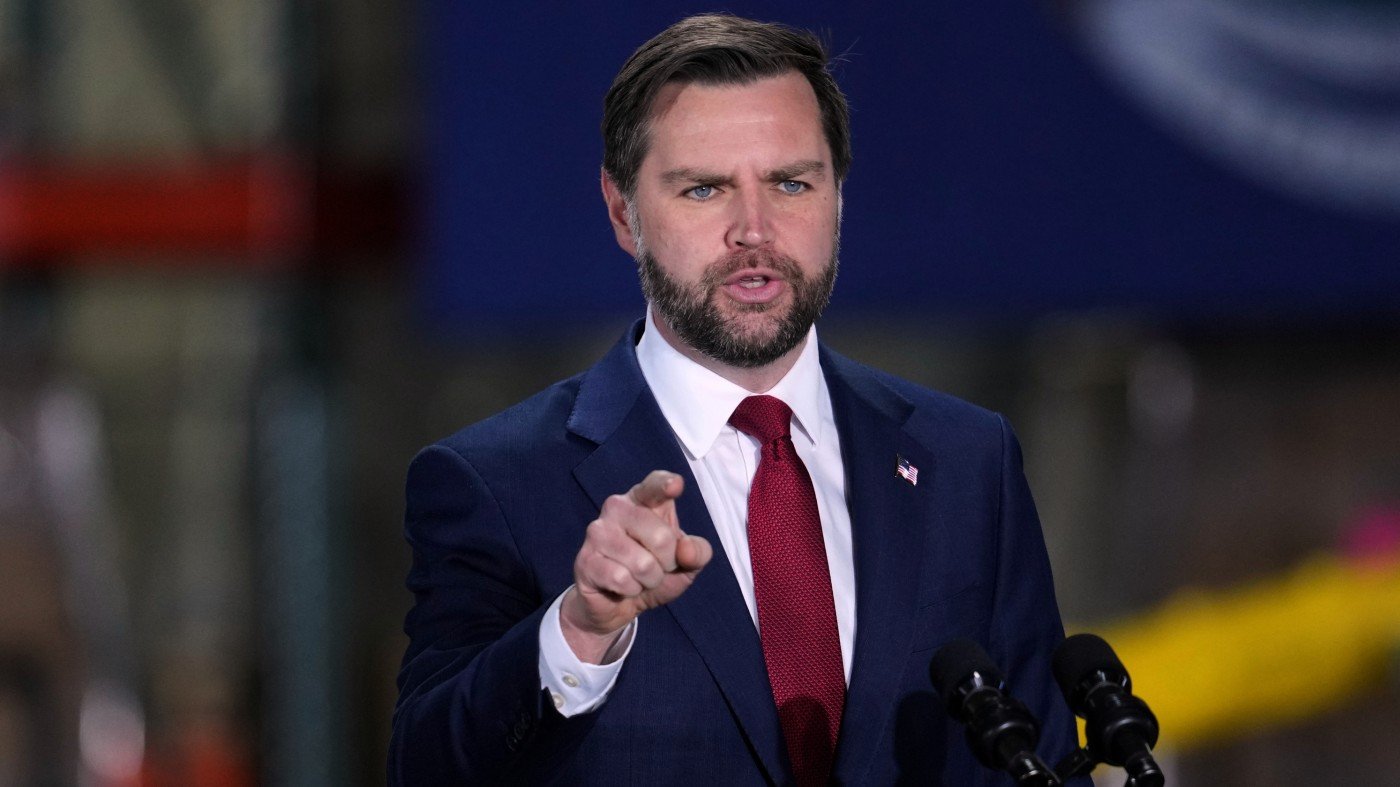
Vice President J.D. Vance emerged as the most significant internal critic of President Donald Trump's decision to launch a full-scale war against Iran, according to new reporting detailed in The New York Times. Citing an upcoming book by journalists Jonathan Swan and Maggie Haberman, the report reveals Vance's consistent opposition to a regime-change campaign in partnership with Israel, positioning him as a cautionary voice amid more hawkish administration figures.
Vance's Warnings on Cost and Chaos
The vice president, an Iraq War veteran, reportedly argued that a conflict with Iran would be a "huge distraction of resources" and "massively expensive" for the United States. In private discussions with the president, Vance warned that such a war could plunge the Middle East into regional chaos and result in significant casualties. These private concerns echoed public comments he made in October 2024, where he stated the nation's interest was "very much, in not going to war with Iran."
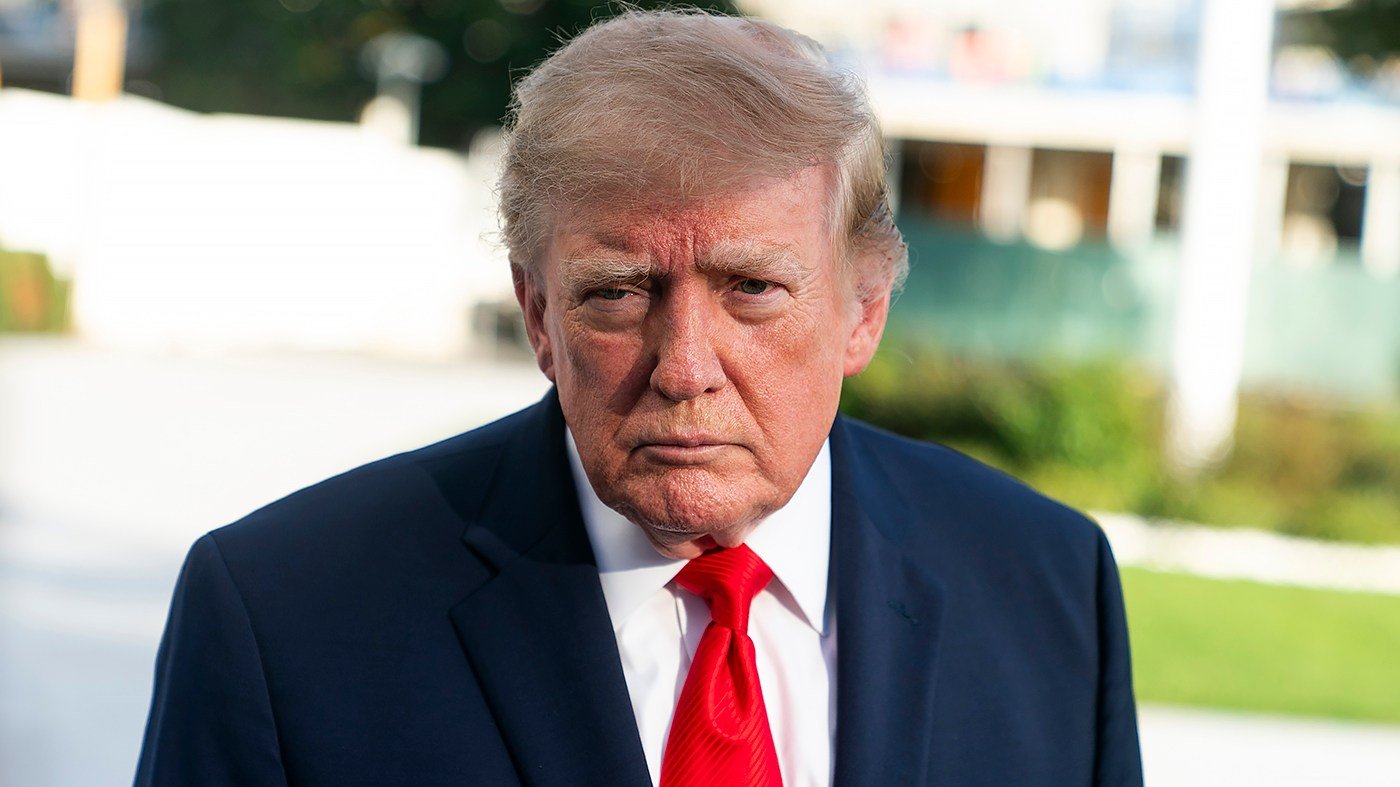
When it became clear Trump was determined to proceed with a major operation, Vance shifted his argument to tactics, urging that any campaign be executed with overwhelming force and efficiency. He also raised practical military concerns, questioning how a protracted conflict would impact the U.S. munitions stockpile—a concern reportedly shared, though not explicitly endorsed as policy opposition, by Gen. Dan Caine, the Chair of the Joint Chiefs of Staff.
Political Betrayal and Base Concerns
A central pillar of Vance's opposition was political. He directly told President Trump that voters who supported the Trump-Vance ticket in 2024, based in part on promises to avoid new foreign wars, would feel betrayed by a large-scale military engagement in Iran. This warning came as the broader Republican coalition showed signs of fracture over the war, with figures like Tucker Carlson and former Rep. Marjorie Taylor Greene publicly criticizing the action. However, a recent CBS News/YouGov poll indicated 75% of self-identified "MAGA Republicans" still expressed high confidence in Trump's decision-making on Iran.
The vice president's absence from a critical February 11 White House meeting between Trump, Israeli Prime Minister Benjamin Netanyahu, and other officials underscored his peripheral role in the final decision-making. At the time, Vance was in Azerbaijan meeting with President Ilham Aliyev.
Administration Divisions and Escalating Conflict
The reporting highlights a divided cabinet. Defense Secretary Pete Hegseth was described as the staunchest advocate for strikes against Iran, while Secretary of State Marco Rubio was reportedly "ambivalent" during internal debates. Since the war began, however, Rubio has publicly justified the campaign as necessary to prevent Iran from obtaining nuclear weapons and to destroy its ballistic missile program.
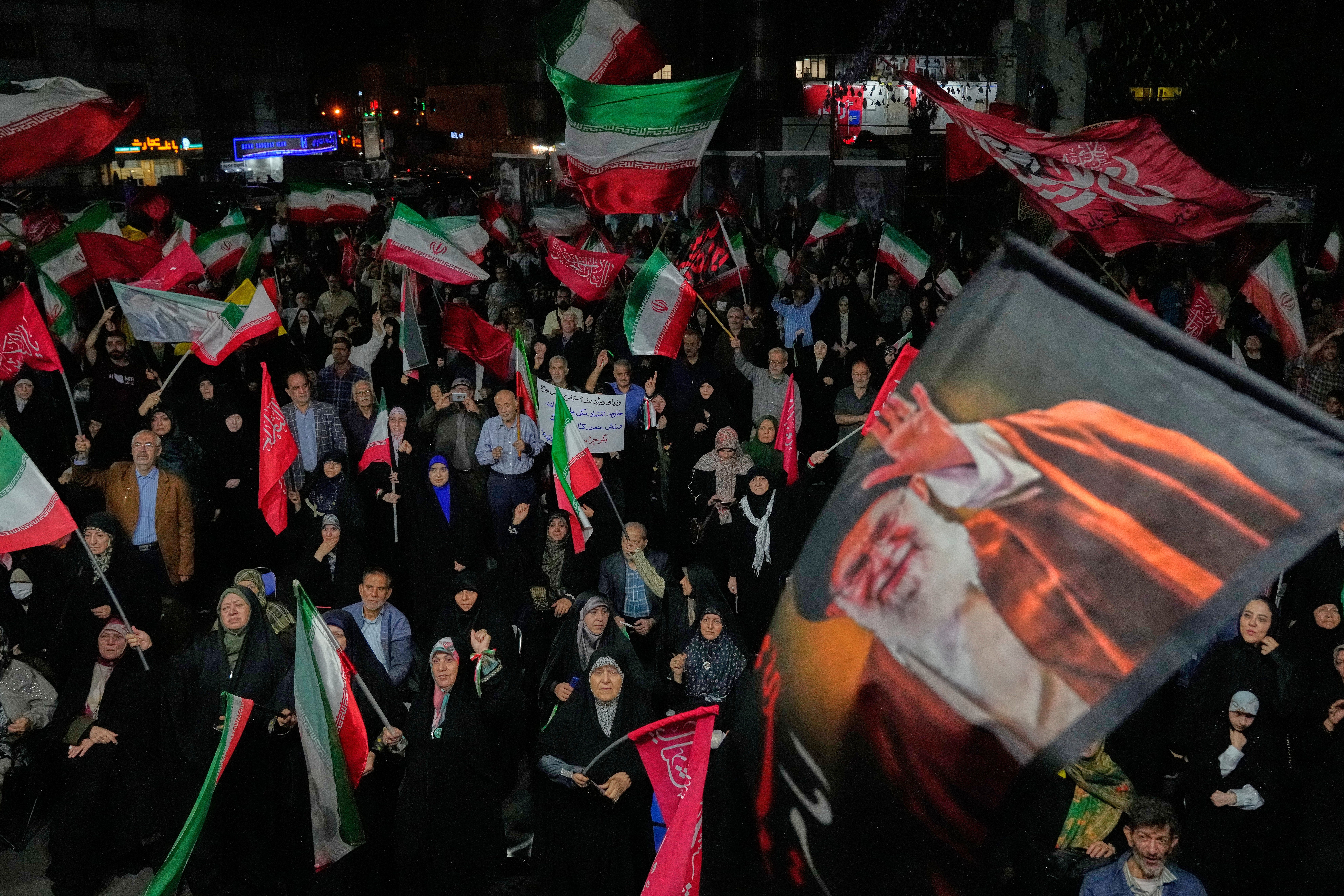
The human cost of the conflict continues to mount. As of this week, a U.S.-based human rights group reports over 1,665 Iranian civilians have been killed, including at least 248 children. Seven U.S. service members have died from Iranian attacks, with six more perishing in a refueling aircraft crash in Iraq last month. The administration faces mounting legal scrutiny, with the Department of Justice providing legal reviews for potential strikes as allegations of war crimes increase.
Broader Political Repercussions
The war has triggered significant political fallout. Democratic leaders, including Vice President Kamala Harris, have led condemnation of Trump's strategy. Concurrently, Trump's escalated rhetoric has sparked rare criticism from some far-right allies, complicating the political narrative. The administration's stance has also met firm resistance internationally, with Iran rejecting a temporary UN truce and demanding a permanent end to the conflict amid Trump's ultimatums.
Vance's reported skepticism, rooted in military experience and political calculation, provides a rare window into the internal tensions that preceded a major war. It frames the vice president not as a mere loyalist, but as an adviser willing to voice stark warnings about strategic overreach and its consequences for both national security and domestic politics.