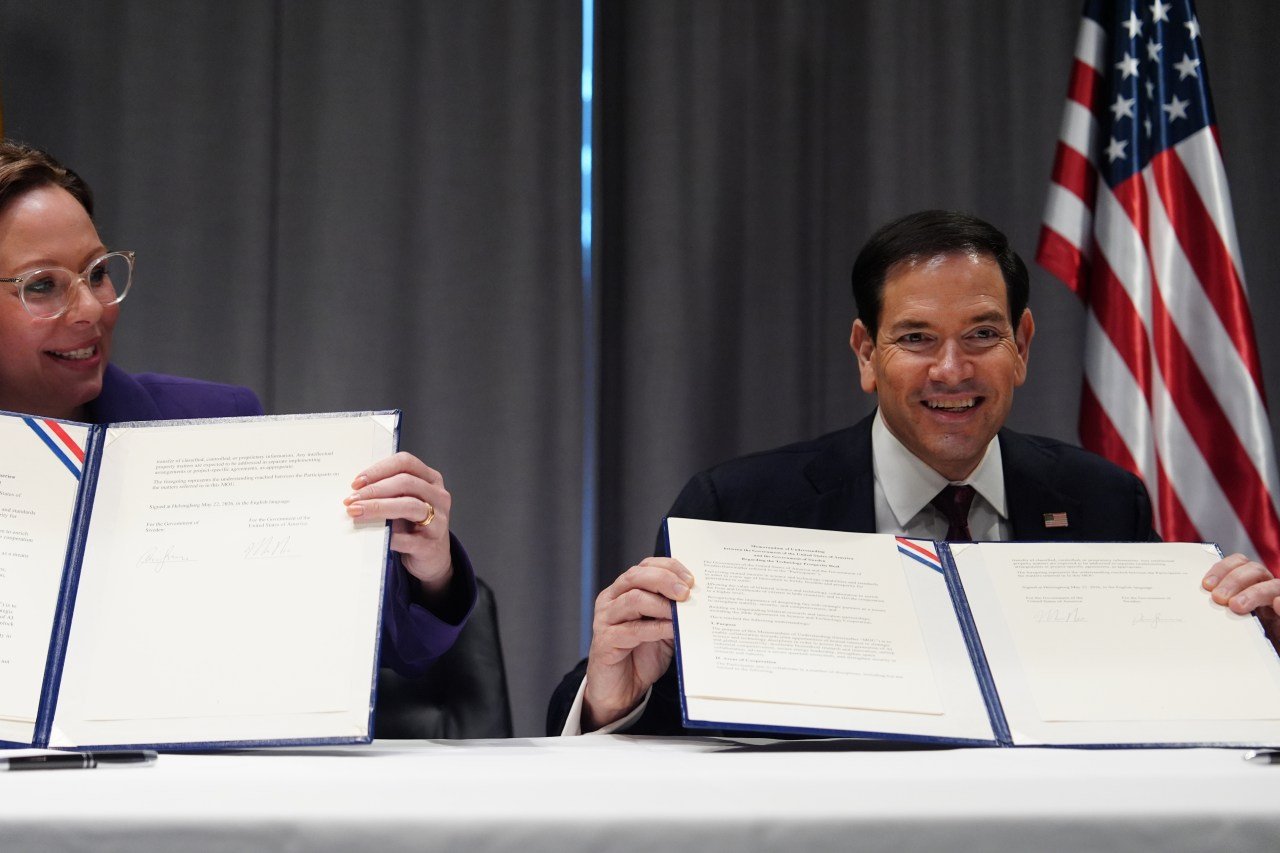
U.S. Secretary of State Marco Rubio said Friday that negotiations with Iran have yielded "slight progress," but cautioned against overstating the gains as the threat of renewed conflict hangs over the region. Speaking ahead of a NATO foreign ministers' meeting in Helsingborg, Sweden, Rubio described the discussions as ongoing and characterized the movement as "a little bit" and "good," but stopped short of declaring a breakthrough.
The remarks come days after President Donald Trump confirmed he had paused plans for a military strike against Iran, citing "serious negotiations." Trump has repeatedly warned that the mid-April ceasefire could collapse if Tehran fails to reach a deal, but has also shifted the terms for what such an agreement would require—creating confusion among allies and critics alike.
Rubio's cautious tone reflects a pattern of repeated claims of progress that have yet to produce a final accord. The administration has set multiple deadlines for Iran, only to extend them as talks drag on. Trump's decision to hold fire this week came at the request of Middle Eastern allies, including Qatar, Saudi Arabia, and the United Arab Emirates—all of which have faced attacks from Iran or its allied militias.
However, the move has strained relations with Israeli Prime Minister Benjamin Netanyahu. An official familiar with the matter told the Associated Press that Trump and Netanyahu had a "dramatic" phone call on Tuesday regarding the status of the Iranian negotiations, with Israel expressing anger over Washington's push for a diplomatic resolution. Trump later downplayed the tension, telling reporters that Netanyahu "will do whatever I want him to do." These are among the first public signs of discord between the two leaders since the war began.
Meanwhile, Pakistan continues its mediation efforts. Foreign Ministry spokesperson Tahir Andrabi said the interior minister traveled to Tehran twice this week to meet Iranian leaders, underscoring Islamabad's push for peace. Prime Minister Shehbaz Sharif is expected to discuss these efforts during a four-day visit to China this weekend.
Major sticking points remain, particularly over the Strait of Hormuz. Iran has effectively closed the vital waterway for oil, gas, and fertilizer shipments, while the U.S. has blockaded Iranian ports and redirected 94 commercial vessels since mid-April, according to U.S. Central Command. Rubio blasted Tehran's attempt to impose a "tolling system" on ships transiting the strait, calling it unacceptable and warning that no country should tolerate it.
The nuclear issue also remains unresolved. The U.S. and Israel insist Iran must never acquire a nuclear weapon, and Trump has demanded the removal of highly enriched uranium from the country. Iran maintains its nuclear program is peaceful, but officials say some nuclear concessions have been included in the talks.
In a significant development, the Associated Press reported that Saudi Arabia and the United Arab Emirates separately launched multiple attacks on Iran and Iranian-backed Shiite militias in Iraq during the war. An Israeli military officer confirmed that the UAE struck Iran at least once. The strikes targeted military facilities, including missile and drone launchers. Saudi Arabia's operations focused on hideouts of Kataib Hezbollah in Iraq, after Riyadh assessed that most drone attacks on the kingdom originated from there. The UAE referred to a May 16 statement saying all measures were defensive in nature. Iran has not publicly addressed being targeted by its Gulf neighbors.
Iraq's prime minister has ordered an investigation into claims that attacks on Saudi Arabia and the UAE were launched from Iraqi territory. The Iraqi government did not respond to requests for comment.