Epidemiologist Dr. Neil Vora, a former CDC official who served during the Democratic Republic of Congo's 2019 Ebola outbreak, cautioned that the current spread of the virus across several African countries will deteriorate before conditions improve. In an interview with NewsNation's Elizabeth Vargas Reports, Vora described the situation as "very serious" and emphasized that while past public health measures have succeeded, the outbreak remains precarious.
"The good news is that there's a lot of experience in the Congo and in neighboring countries with fighting Ebola outbreaks," Vora said. "A lot of partners are mobilizing, and robust public health measures in the past have been very successful in stopping outbreaks. This outbreak will get worse before it gets better. It's an extremely precarious situation, but I'm confident that with application of good public health measures, over time this will come under control."
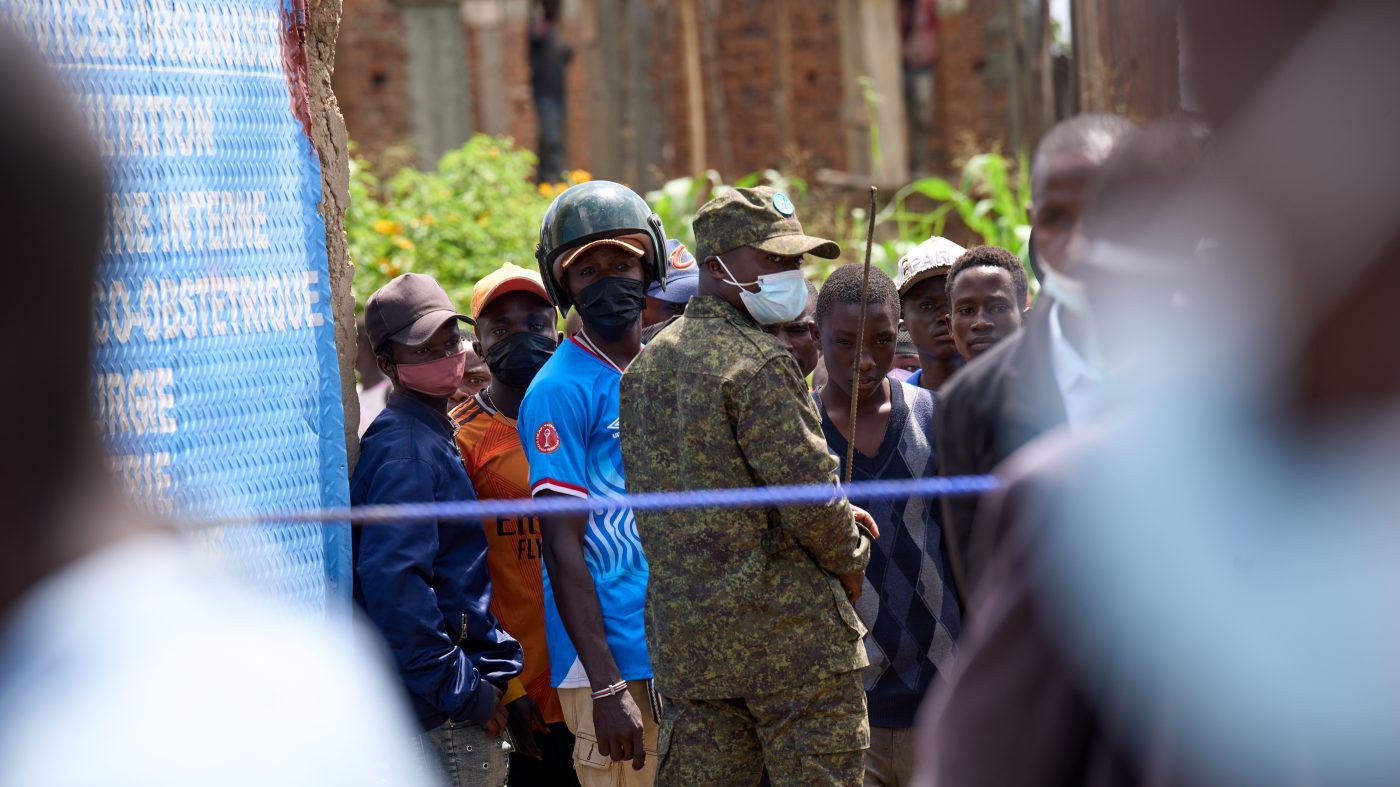
The outbreak is concentrated in the DRC and Uganda, where local health officials have reported 536 suspected cases, 105 probable cases, 34 confirmed cases, and approximately 134 suspected deaths, according to the CDC. The World Health Organization has declared it a public health emergency of international concern. WHO Director General Tedros Ghebreyesus called the situation "deeply worrisome" and has convened a meeting with UN member states to update them on the response.
In response, the Trump administration has imposed a travel ban on individuals who have been in the DRC, Uganda, or South Sudan within the past three weeks. The Department of Homeland Security issued an order requiring all flights from these three nations to land at Washington Dulles International Airport for enhanced public health screening. U.S. mandates Ebola screening at Dulles for travelers from these countries as part of the effort to contain the virus.
On Wednesday, U.S. Customs and Border Protection diverted a Detroit-bound flight from Paris after discovering a passenger had recently been in the Congo. An Air France spokesperson told The Hill that the passenger disembarked in Montreal, and the flight continued to Detroit. This incident highlighted enforcement of the travel restrictions. The diversion underscored the strict implementation of the ban.
An American physician working in the DRC who tested positive for Ebola has been transferred to Germany for treatment. Ghebreyesus also acknowledged reports that another American national, identified as a high-risk contact, has been transported to the Czech Republic. The U.S. government has not publicly commented on these transfers.
Former CDC Director Robert Redfield warned earlier this week that the outbreak is likely to spread to other African nations, potentially evolving into a "very significant pandemic." "I suspect this is going to become a very significant pandemic, probably going to leak into Tanzania, leak into southern Sudan, maybe leak into Rwanda," Redfield told NewsNation. "So, it's going to be very disruptive." Redfield's assessment aligns with growing concerns about regional spread.
The White House has faced questions about its response, including whether it blocked the return of an Ebola-exposed U.S. doctor. Officials deny any such blockage, but the controversy adds to the political tension surrounding the outbreak. As the situation evolves, health authorities continue to mobilize resources to prevent the virus from gaining a foothold beyond the current hotspots.