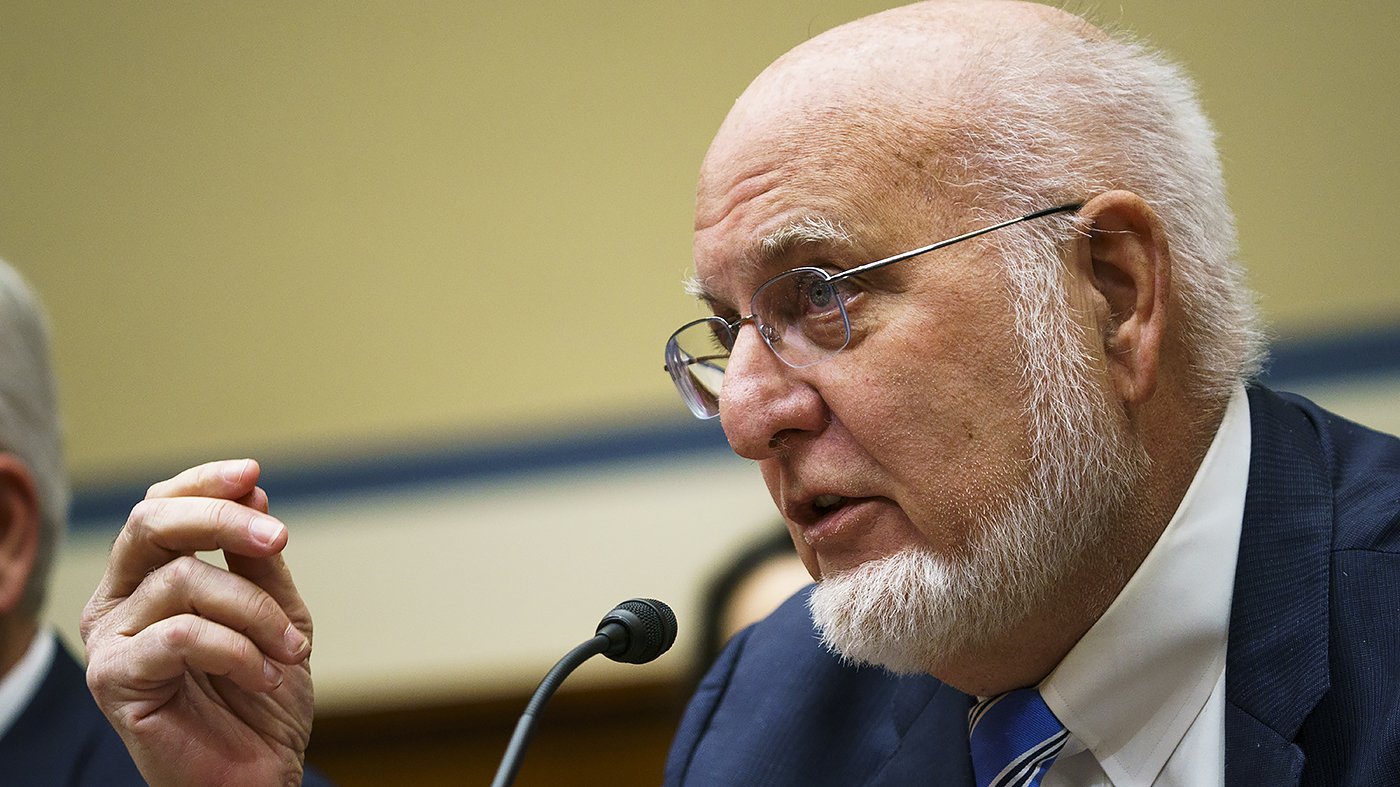
Former Centers for Disease Control and Prevention Director Robert Redfield issued a stark warning Wednesday, predicting that the ongoing Ebola outbreak in East Africa is likely to spiral into a full-blown pandemic that could sweep across three additional countries. Speaking on NewsNation's Elizabeth Vargas Reports, Redfield said the virus—driven by the rare Bundibugyo strain—could soon leak into Tanzania, South Sudan, and Rwanda, creating a highly disruptive public health crisis.
“I suspect this is gonna become a very significant pandemic, probably going to leak into Tanzania, leak into Southern Sudan, maybe leak into Rwanda,” Redfield told anchor Elizabeth Vargas. “So, it’s gonna be very disruptive.”
The majority of infections have been concentrated in the Democratic Republic of Congo and Uganda, where local health officials have tallied 536 suspected cases, 105 probable cases, 34 confirmed infections, and roughly 134 suspected deaths, according to CDC data. The outbreak was first detected in May, marking the 17th Ebola episode in the region over the past half-century. The most recent prior outbreak ended only last December.
Redfield, who oversaw three Ebola outbreaks during his tenure at the CDC, expressed concern that the current flare-up was not identified early enough. “Normally when we have these Ebola outbreaks, and I had three of them when I was CDC director, all of which were in the DRC, normally we recognize them when we have five, ten cases, you know, at most,” he said. “This one really wasn’t picked up until there was over 100 cases.” He added, “As you said, now there’s over 500 cases. There’s close to 150 deaths already, and it’s moving very rapidly.”
The delayed detection has raised questions about surveillance capacity and political will in affected nations. The World Health Organization has described the global threat from the Bundibugyo virus as low, but local responders have reported shortages of protective gear and logistical challenges in containing the spread.
In response, the State Department has tightened travel protocols. As of Thursday, all U.S.-bound American citizens and lawful permanent residents who have been in the DRC, Uganda, or South Sudan within 21 days of arrival must undergo enhanced public health screening at Washington Dulles International Airport, conducted jointly by the CDC and U.S. Customs and Border Protection. This measure follows a new mandate requiring Ebola screening at Dulles for travelers from those three nations.
One American aid worker who came into contact with the virus while in the Congo has already been evacuated to Germany for treatment. The incident underscores the potential for cross-border transmission and the strain on international health systems.
Redfield’s dire prediction comes as the United Nations and global health agencies scramble to contain the outbreak without triggering the kind of panic that accompanied the 2014 West African Ebola epidemic. Critics, including some U.S. lawmakers, have accused the WHO of downplaying the risks. Earlier, the WHO director pushed back against Senator Marco Rubio's criticism of the agency’s response, insisting that containment efforts remain adequate.
The Bundibugyo variant, while less lethal than the Zaire strain, poses unique challenges because it is less familiar to local health workers and may evade standard diagnostic tests. The CDC continues to monitor the situation closely, but Redfield’s blunt assessment suggests that without a more aggressive international response, the outbreak could soon exceed the capacity of regional health systems.