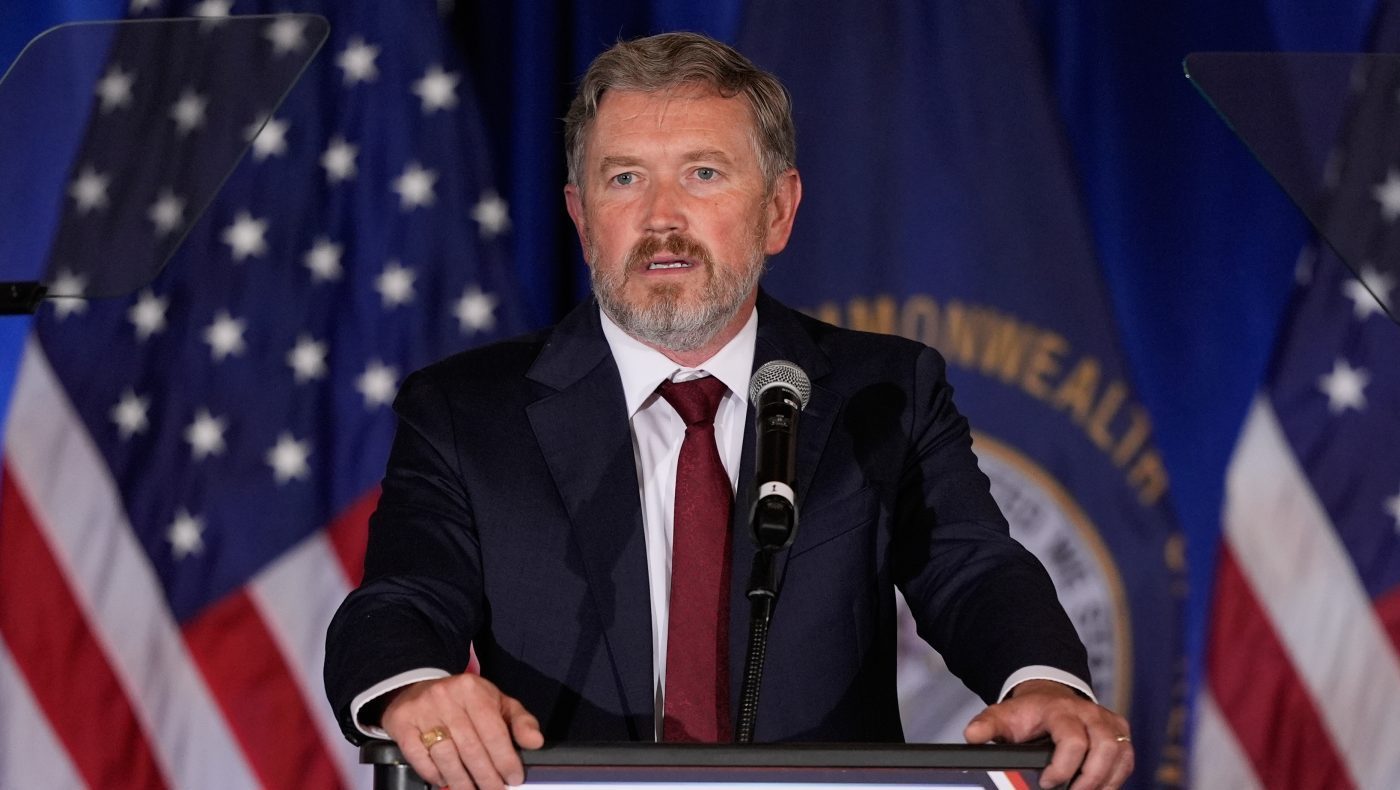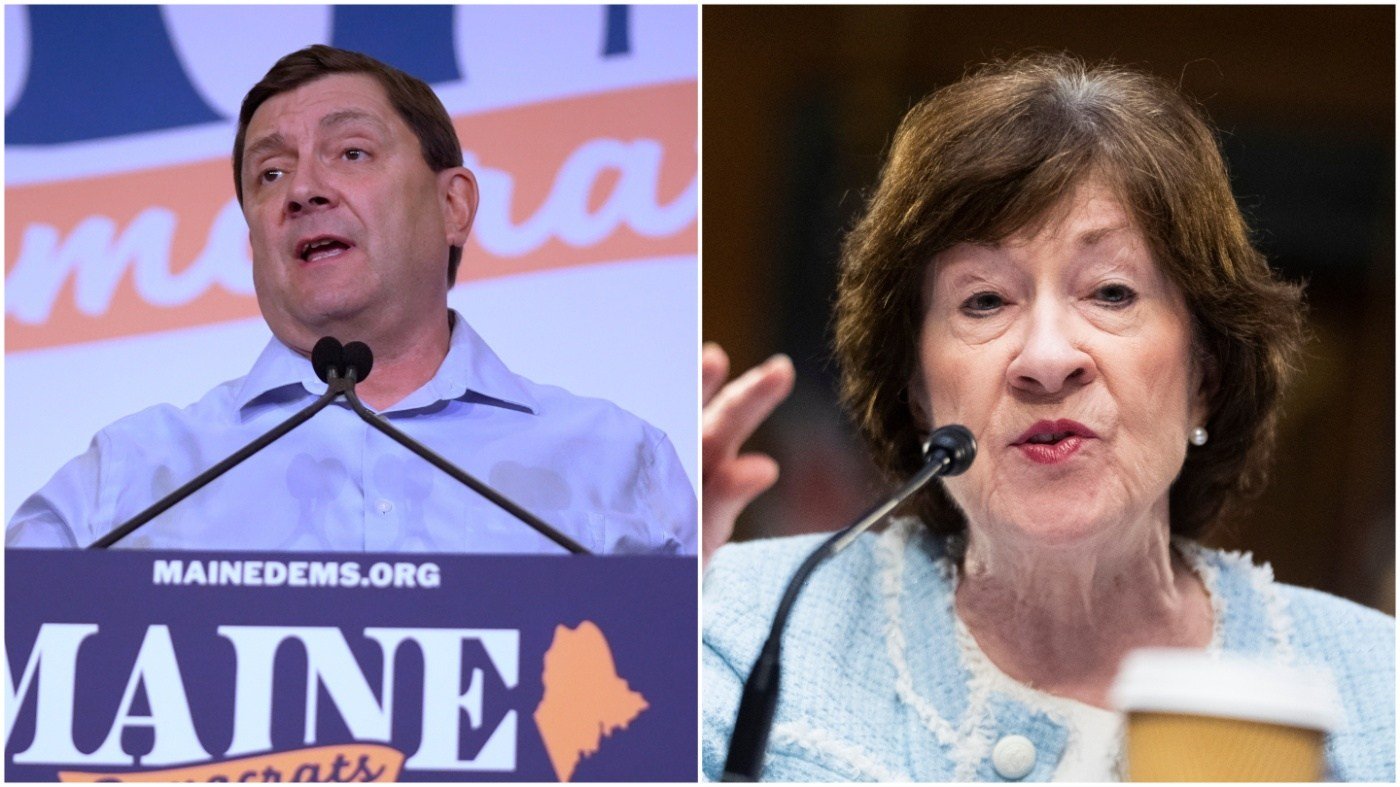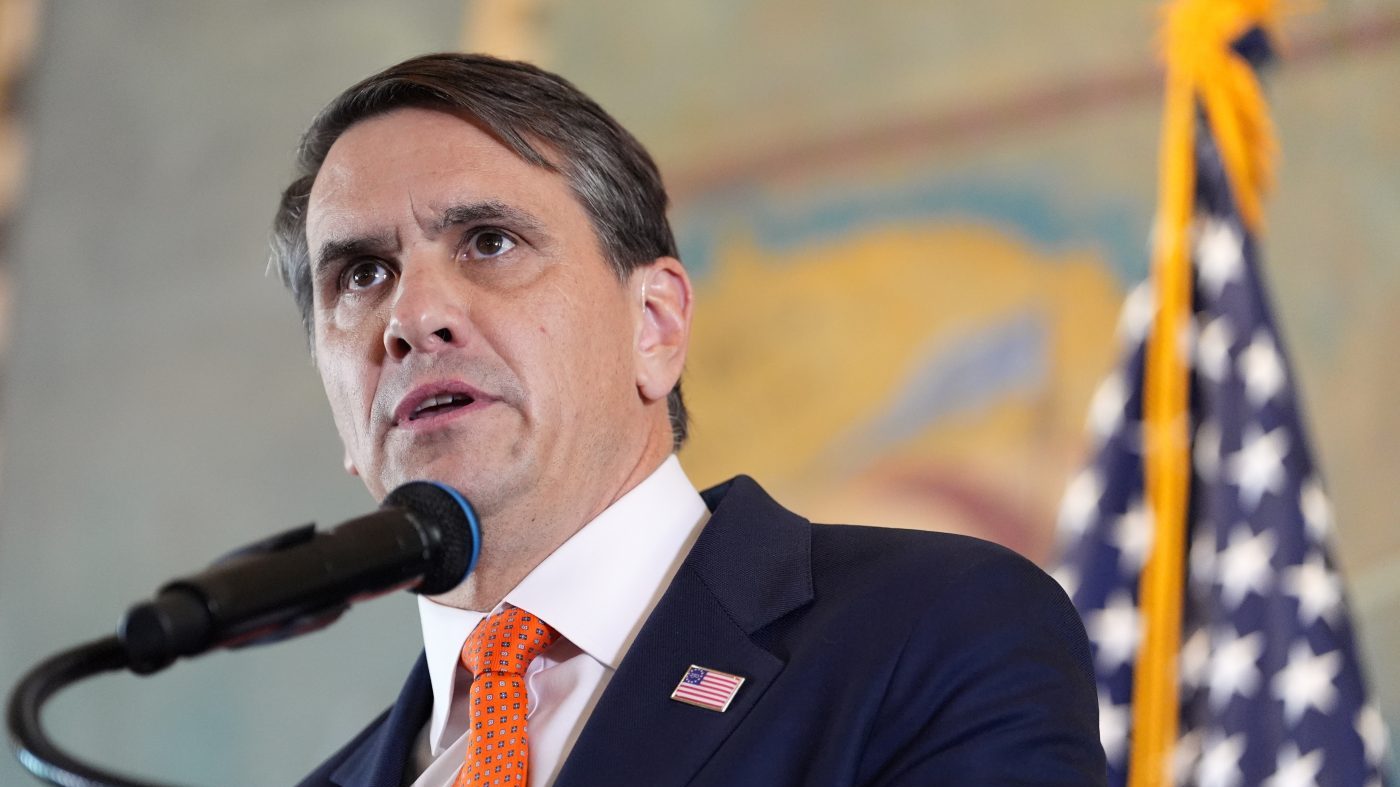
Acting Attorney General Todd Blanche made the case on Capitol Hill Thursday for the Trump administration's proposed $1.8 billion fund to compensate individuals who claim they were victims of Justice Department “weaponization” under the Biden administration. The meeting, held in the Senate's Mansfield Room, came as Senate Republicans remain deeply divided over the fund's structure and oversight.
Blanche faced a skeptical audience. Senate Majority Leader John Thune (R-S.D.) acknowledged that GOP members have “very legitimate questions” about the fund and want to hear directly from the acting attorney general about how it would operate. “Our members want to hear an explanation about how this would work,” Thune said before the meeting.
The fund has drawn sharp criticism from within the Republican conference. Sen. Bill Cassidy (R-La.) has publicly labeled it a legal “slush fund,” arguing it lacks accountability and legal precedent. On X, Cassidy wrote: “People are concerned about paying their mortgage or rent, affording groceries and paying for gas, not about putting together a $1.8 billion fund for the President and his allies to pay whomever they wish with no legal precedent or accountability.” He added that if the administration needs to settle claims, it should come to Congress for approval.
Senate Republicans are now weighing whether to insert language into the budget reconciliation package that would impose guardrails on the fund, specifying how money can be distributed and ensuring congressional oversight. That internal haggling has delayed the Senate Budget Committee from posting the bill. Thune had originally expected the text to be released by midday Wednesday, but as of Thursday morning, it was still not public. “We’re still working on it,” he said.
The delay also raises the possibility that the so-called “vote-a-rama” — a marathon series of amendment votes on the reconciliation bill — might not occur Thursday as planned. Thune acknowledged there is “a chance” the timeline slips due to the ongoing disagreements.
Blanche's visit comes amid mounting legal and political challenges to the fund. A lawsuit has been filed by Jan. 6 Capitol Police officers, who argue the fund could be used to compensate individuals involved in the January 6 attack, potentially diverting resources from legitimate victims. Separately, Rep. Brian Fitzpatrick (R-Pa.) has demanded answers about the fund's legality and has pledged to block it. The fund also faces scrutiny from outside groups; the ACLU and the League of Women Voters have sued South Carolina over a secret redistricting meeting, highlighting broader concerns about transparency in government actions.
Thune declined to discuss specific guardrail proposals, saying he wants to hear Blanche's vision first. “I don’t want to get into specifics. I think right now we want to hear the attorney general out about his view of this and what they intend to do with it,” Thune said. “Obviously, our members have very legitimate questions about it and we’ve had some conversations about if it’s going to be a feature going forward, what it might look like and how we might make sure that it’s fenced in appropriately.”
The fund is a centerpiece of the Trump administration's narrative that the Justice Department was weaponized against political opponents during the Biden era. But with GOP lawmakers demanding fiscal responsibility and legal guardrails, Blanche's lobbying effort faces an uphill climb. The outcome of Thursday's meeting could determine whether the fund survives the reconciliation process — and whether the broader budget package moves forward without further delay.