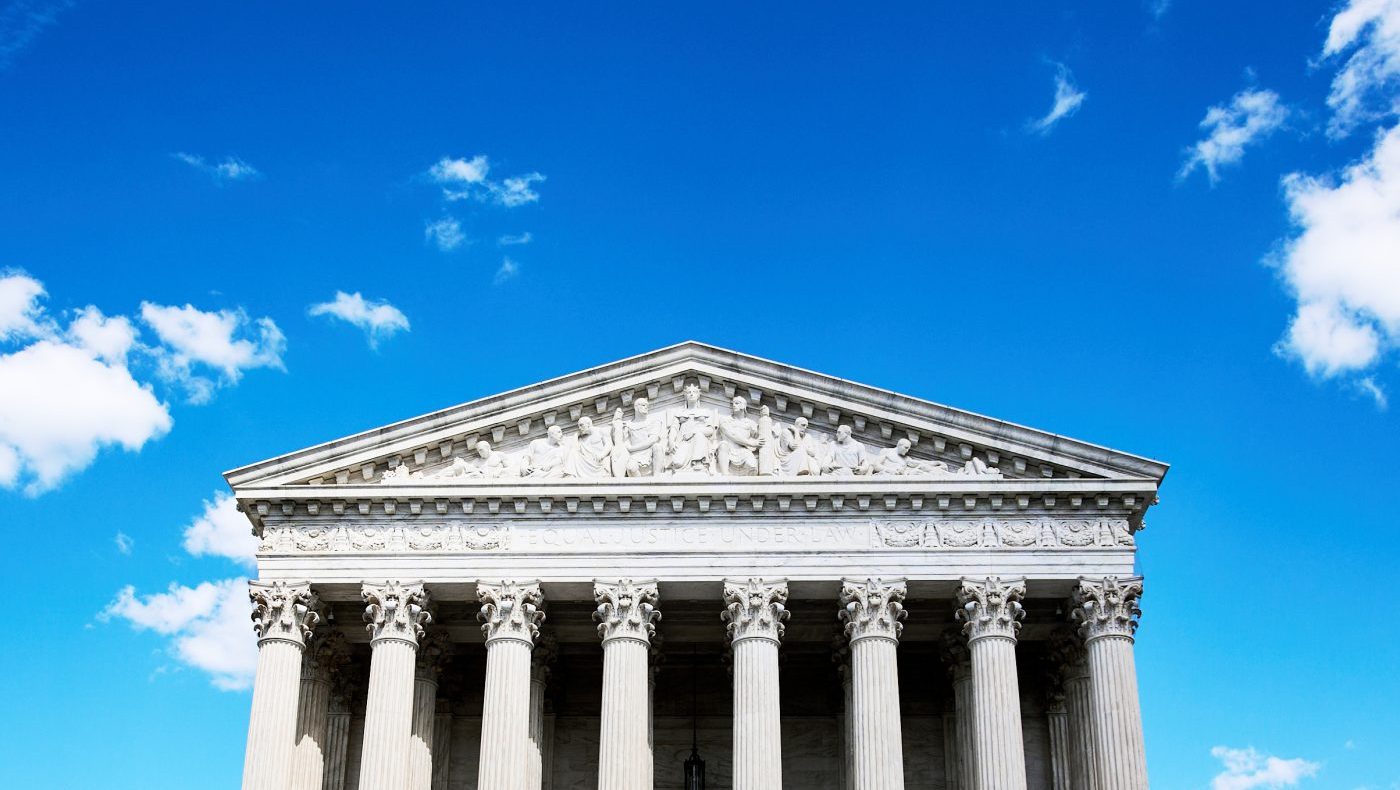
The Supreme Court delivered a major blow to four of the world's largest cruise lines on Thursday, ruling 8-1 that they must face a $440 million judgment for operating voyages to Havana between 2016 and 2019. The decision, written by Justice Clarence Thomas, reverses a lower court's dismissal and sends the case back for further proceedings.
The case centers on the Helms-Burton Act, a 1996 law that allows U.S. citizens to sue anyone who “traffics in” property confiscated by Fidel Castro's regime after the Cuban Revolution. Havana Docks Corporation, which held a 99-year lease to operate the Port of Havana before it was seized, sued Carnival, MSC, Royal Caribbean, and Norwegian for using the docks. A federal court originally awarded Havana Docks $440 million, but an appeals court overturned that verdict, ruling that the company's property right had expired in 2004—before the cruise lines began their trips.

“We disagree,” Thomas wrote for the majority. “The Act generally makes those who use property tainted by a past confiscation liable to any United States national who owns a claim to that property.” The opinion emphasized that the law does not require a current property interest, only a historical claim.
Justice Elena Kagan was the sole dissenter, arguing that the cruise lines could not be held liable for using docks after Havana Docks' lease had expired. “What Havana Docks owned was only a property interest allowing it to use those docks for a specified time. And that time-limited interest expired in 2004—more than a decade before the cruise lines ever used the docks,” Kagan wrote.
The ruling lands amid heightened tensions between Washington and Havana. The Justice Department unsealed an indictment the day before the decision, charging former Cuban President Raúl Castro with approving the 1996 shootdown of two unarmed civilian planes—the same incident that spurred Congress to pass the Helms-Burton Act. President Trump has ruled out military action against Cuba following the charges, but his administration continues a pressure campaign targeting the island nation, which is grappling with persistent blackouts and fuel shortages.
The cruise lines still have options to contest the judgment as the case returns to a lower court. They can argue that their use of the docks did not constitute “trafficking” under the law or that other defenses apply. Legal experts expect the fight to drag on for months.
The Supreme Court is also weighing a separate Helms-Burton case involving an Exxon subsidiary whose oil refinery and service stations were confiscated by the Castro regime. A decision is expected by early summer. Meanwhile, lawmakers like Senator Rick Scott have predicted a Cuban uprising but ruled out U.S. military intervention, signaling that economic and legal pressure remains the primary tool in Washington's strategy.