The 9/11 attacks exposed deep vulnerabilities in U.S. border security, prompting Congress to mandate biometric screening for visa applicants and arriving aliens. The Enhanced Border Security and Visa Entry Reform Act of 2002 set the stage for a system the 9/11 Commission later called “an essential investment in our national security.”
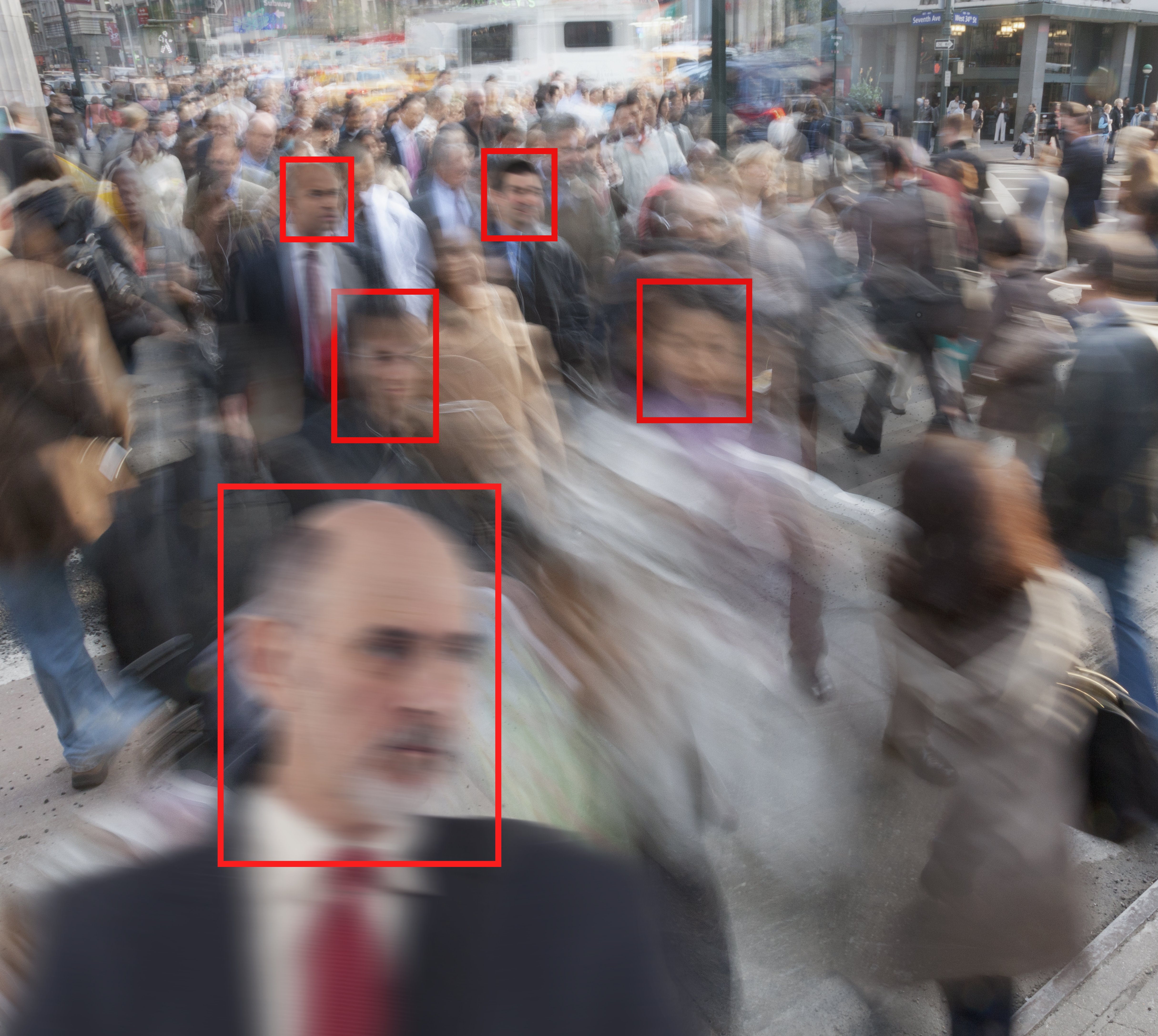
Today, that system relies heavily on facial recognition technology. Customs and Border Protection (CBP) uses it at every international airport, 63 other airports, 39 seaports, and all pedestrian lanes at the Canadian and Mexican borders. The agency has processed more than 939 million travelers through its Traveler Verification Service, catching over 2,284 impostors attempting illegal entry.

Immigration and Customs Enforcement (ICE) officers in the field carry a similar tool—Mobile Fortify, an app installed on government-issued smartphones. With it, an officer can snap a photo of an individual and instantly compare it against a federal database of more than 200 million images. This allows officers to quickly determine if someone is an overstay, particularly those admitted under the Visa Waiver Program, which permits stays of up to 90 days (plus a possible 30-day emergency extension).
But the technology’s rapid expansion has drawn sharp criticism. The American Civil Liberties Union warns that facial recognition has led to “systematic invasions of privacy, inaccuracies, unreliable results, and racial disparities.” Privacy advocates point to the inherent risks of centralized biometric databases. As the Institute of Forensics and Information and Communication Technology Security notes, “every system is hackable. No matter how many checkboxes you tick or how many ‘best practices’ you follow, vulnerability is inevitable.”
DHS says it takes data security seriously. CBP’s Traveler Verification Service encrypts images before transmission and compares facial features to government records without storing the original photo. Yet critics argue that the system’s accuracy degrades in the field—poor lighting or other environmental factors can increase error rates. ICE officers are expected to catch obvious mismatches, but the margin for error remains a concern.
The legal framework for overstay determinations is straightforward. Under the Visa Waiver Program, a district director can declare an alien deportable without referring the case to an immigration judge, unless the individual applies for asylum. Asylum claims in these cases are rare, as participating countries are generally not associated with persecution.
The debate over biometric immigration enforcement mirrors broader political battles. For instance, Idaho’s struggle to pass its own immigration enforcement measures highlights the tension between federal mandates and local discretion. Meanwhile, Senate Republicans are pushing a $72 billion immigration enforcement bill that could expand biometric tools even further.
As facial recognition becomes a cornerstone of immigration enforcement, the balance between security and civil liberties remains deeply contested. The next Congress may face pressure to impose stricter oversight on how these tools are deployed and what safeguards are in place to protect personal data.