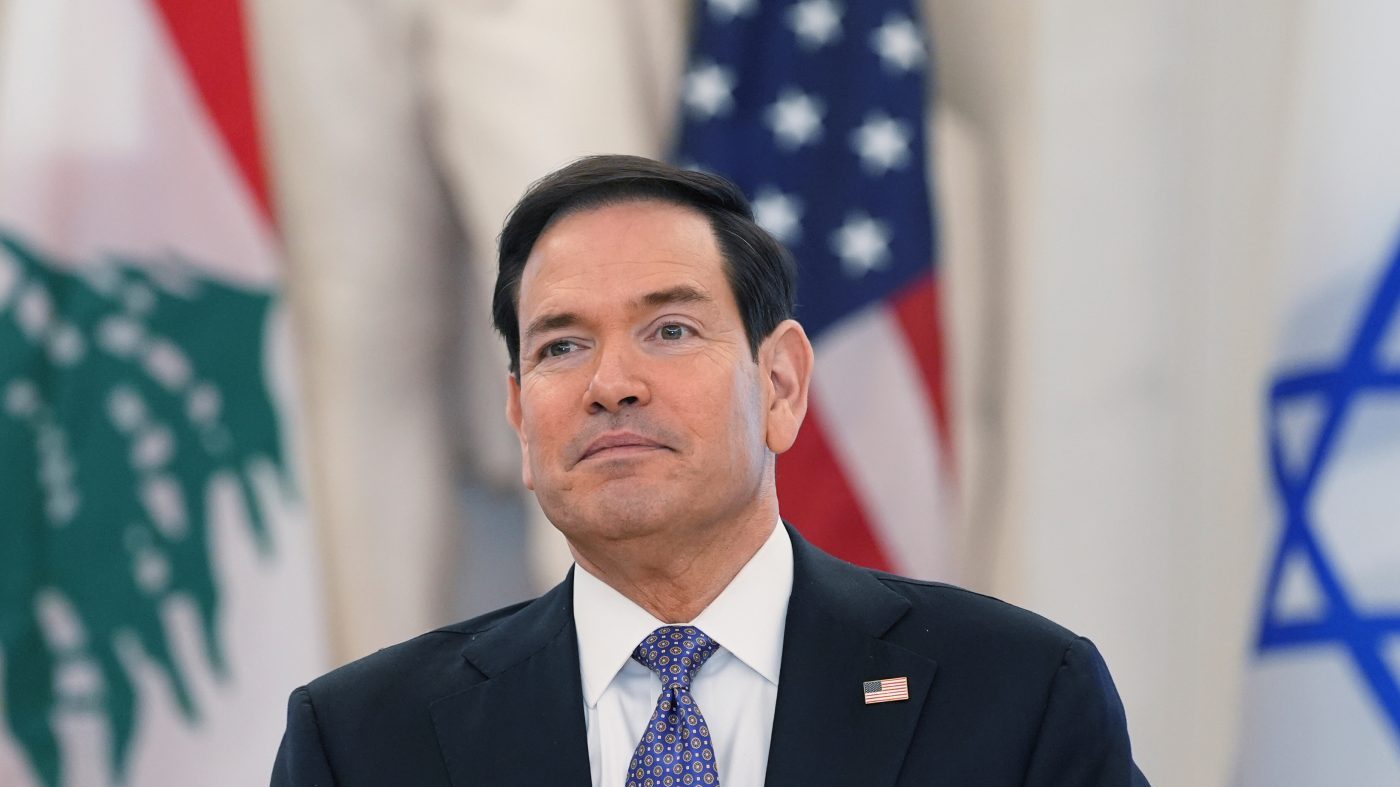
GENEVA — The head of the World Health Organization on Wednesday forcefully rejected Secretary of State Marco Rubio's allegation that the agency was "a little late" in detecting an Ebola outbreak in the Democratic Republic of Congo, underscoring tensions between the Trump administration and the global health body.
"We don't replace the countries' work, we only support them," WHO Director-General Tedros Adhanom Ghebreyesus told reporters in Geneva, according to Politico. He suggested that Rubio's criticism may stem from a misunderstanding of the International Health Regulations and the division of responsibilities between the WHO and national authorities.
The exchange comes as health officials track hundreds of suspected cases of Ebola caused by the Bundibugyo virus in Congo and neighboring Uganda, according to the U.S. Centers for Disease Control and Prevention. At least 134 suspected deaths have been reported, and an American aid worker who contracted the disease in Congo has been evacuated to Germany for treatment.
The outbreak, which began in May, marks the 17th time the country has faced an Ebola epidemic in the past half-century. The previous outbreak was declared over last December, the CDC said.
Rubio's comments, made during a press briefing earlier this week, drew a sharp response from Tedros, who appeared to take the criticism personally. "It could be from lack of understanding of how [the International Health Regulations] work and [the] responsibilities of WHO and other entities," Tedros added, in what was widely seen as a pointed reference to the secretary of state.
The WHO plays a central role in coordinating global outbreak response, deploying emergency medical teams, issuing technical guidance, and managing international vaccine stockpiles. But Tedros emphasized that the primary responsibility for detecting and containing outbreaks lies with national governments.
The Trump administration officially withdrew the United States from the WHO in January, citing the agency's handling of the COVID-19 pandemic and other health crises. The decision ended Washington's role as a founding member of the organization. The WHO has defended its pandemic response and expressed regret over the U.S. departure.
As the Bundibugyo strain continues to spread in eastern Congo, local responders have warned that they lack adequate protective equipment, raising concerns about the outbreak's trajectory. The WHO has assessed the global threat as low, but the situation remains fluid.
In a related development, the United States has imposed travel restrictions on three African nations as the outbreak worsens, a move that underscores the administration's unease with the WHO's performance. The agency, for its part, continues to urge international cooperation and adherence to health regulations.