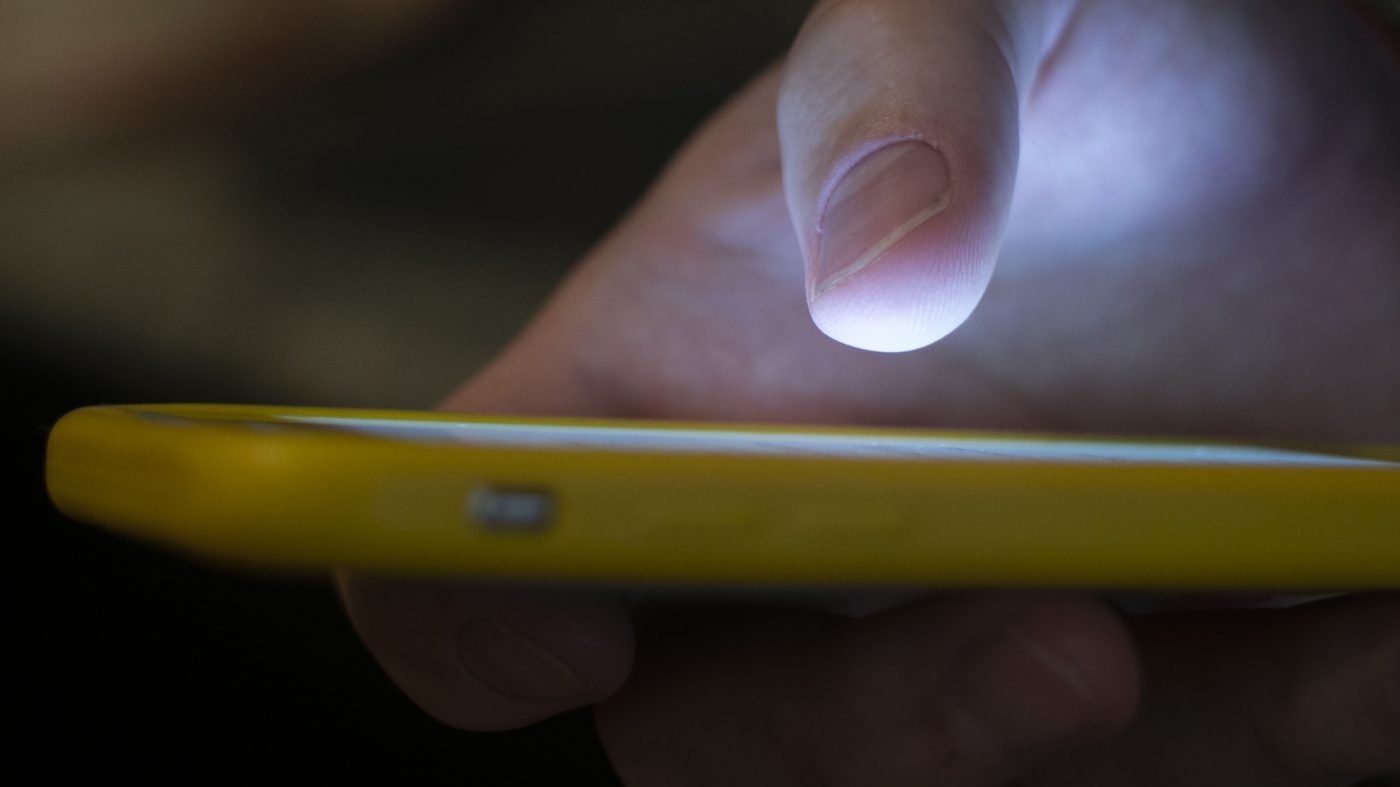
The Department of Health and Human Services issued a stark warning Wednesday, declaring that excessive screen time among children and adolescents has reached the level of a public health crisis. In a new advisory titled the Surgeon General's Warning on the Harms of Screen Use, officials detailed how pervasive technology—from televisions to smartphones—is undermining sleep and mental health in young people.
Screen Time Starts Before Age One
The advisory notes that exposure to screens often begins before a child's first birthday and escalates rapidly. By adolescence, many children spend more hours on screens than they do sleeping or attending school. The report warns that this pattern has become normalized, even as evidence mounts of its damaging effects.

“A concern at all stages of life, and a particularly important one around children’s screen exposure, is its potential to disrupt healthy sleep, which is fundamental to learning, mood, behavior, physical health, and overall development,” the report states.
Blue Light and Sleep Disruption
The advisory points to blue light emitted by screens as a key culprit in disrupting circadian rhythms, especially when used at night. It also calls for further research into other wavelengths that may affect sleep. The warning comes amid growing bipartisan concern about the impact of technology on youth, a topic that has also drawn attention from lawmakers and educators.
Last month, the Los Angeles Unified School District—the second-largest in the nation—voted unanimously to restrict screen time in classrooms. The resolution bans screens entirely for first graders and younger students, limits usage by grade level, and prohibits student-led access to platforms like YouTube. The board framed the move as making LAUSD a national leader in evidence-based screen limits.
Political and Policy Implications
The HHS advisory adds federal weight to a debate that has simmered in statehouses and school boards across the country. Some conservatives have argued that federal overreach in health guidance risks undermining parental authority, while progressives have pushed for stronger tech regulation. The advisory stops short of recommending specific legislation, but its language signals that the Biden administration views screen time as a priority public health issue.
Meanwhile, broader concerns about technology's role in democracy have also surfaced. A former official recently warned that tech-driven distortion is eroding democratic trust, a sentiment that echoes the Surgeon General's focus on youth mental health.
The report underscores that sleep disruption from screens can affect learning, mood, and behavior—factors that ripple into academic performance and family dynamics. As schools and parents grapple with how to manage devices, the federal government's explicit warning may accelerate policy changes at the local level.