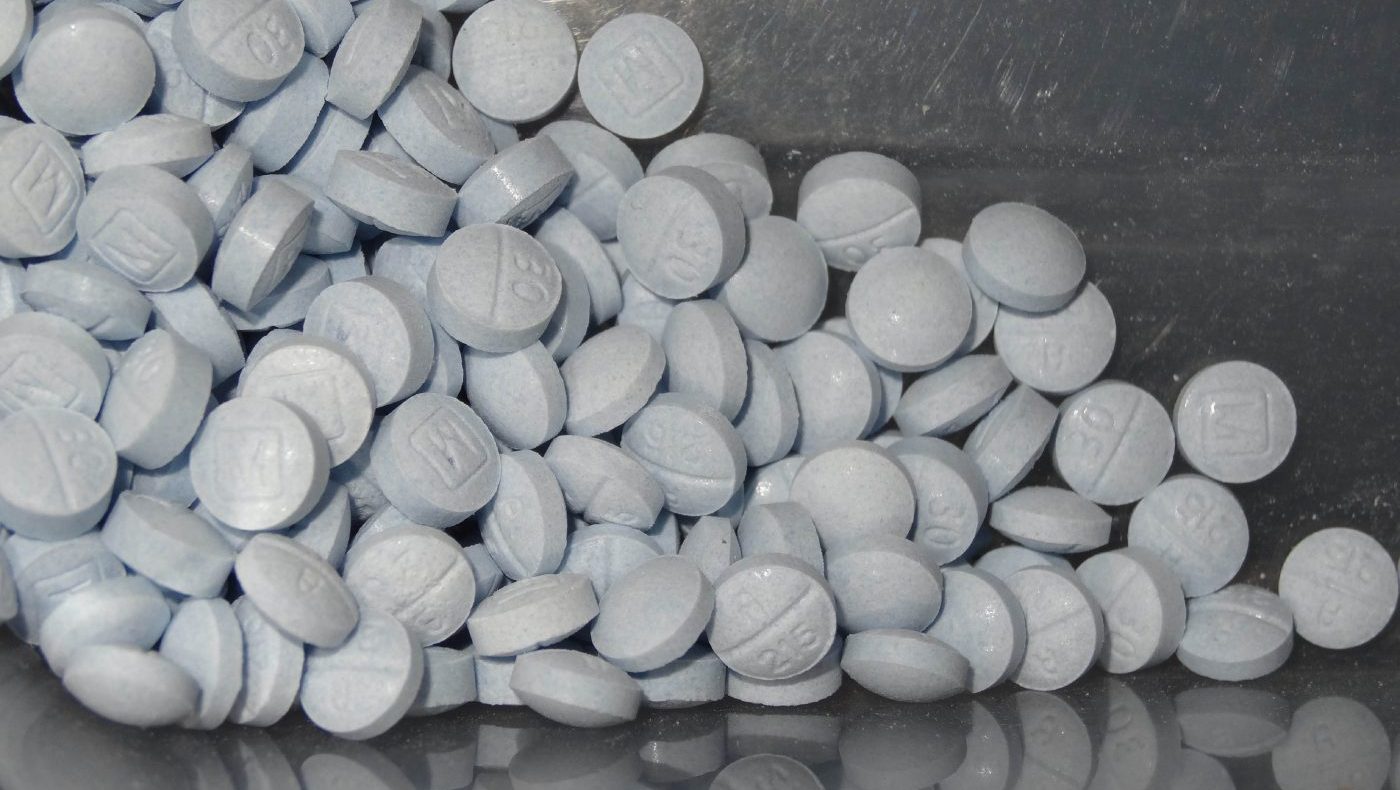
The Treasury Department on Wednesday announced new sanctions targeting the Sinaloa Cartel's fentanyl distribution networks, escalating the Trump administration's campaign against the Mexican crime group. The Office of Foreign Assets Control sanctioned over a dozen entities and individuals linked to two separate networks that support the cartel's trafficking operations.
Treasury Secretary Scott Bessent framed the move as part of a broader push to stem the flow of fentanyl into the United States. 'As President Trump has made clear, this Administration will not allow narco-terrorists to flood our borders with poison,' Bessent said in a statement. 'Treasury will continue to target terrorist cartels and their fentanyl trafficking networks to protect our communities and Keep America Safe.'
The sanctions target Armando de Jesus Ojeda Aviles, described by Treasury as the head of a network that launders proceeds from fentanyl and other narcotics sales for the Sinaloa Cartel. Also sanctioned was Jesus Gonzalez Penuelas, identified as a leader of a longstanding organization that traffics illicit drugs into the U.S. and moves money back to the cartel.
The action follows a similar move by the State Department late last month, which imposed visa restrictions on 75 individuals linked to the Sinaloa Cartel. Secretary of State Marco Rubio said at the time that the cartel 'smuggles illicit fentanyl, which the President designated as a Weapon of Mass Destruction, and other deadly drugs that harm American communities.' Rubio added that the visa bans target drug traffickers, their family members, and close associates to prevent their entry into the U.S. and deter further criminal activity.
The Treasury Department's sanctions freeze any assets the targeted individuals and entities hold in the United States and generally prohibit Americans from doing business with them. The move is part of a broader strategy to disrupt the cartel's financial infrastructure, which officials say is critical to its ability to produce and distribute fentanyl.
The Sinaloa Cartel remains one of the most powerful criminal organizations in Mexico, with a vast network that stretches across the border. The Trump administration has made combating fentanyl trafficking a top priority, linking it to national security and public health crises. In recent months, the administration has also tightened sanctions on Iran and taken other steps to curb illegal financial flows.
Critics of the sanctions approach argue that while financial penalties can disrupt cartel operations, they are insufficient without stronger border enforcement and cooperation with Mexican authorities. The Treasury Department, however, maintains that targeting the cartel's financial networks is a key part of dismantling its ability to traffic fentanyl.
The sanctions come as the administration continues to press for broader measures against drug trafficking, including efforts to regulate online platforms that may facilitate illicit transactions. The fight against the Sinaloa Cartel remains a central front in the U.S. drug policy, with officials vowing to use all available tools to protect American communities.