The Trump administration escalated its economic pressure campaign against Iran on Tuesday, slapping sanctions on a major currency exchange and 19 vessels accused of funneling billions of dollars to the regime. The move is the latest in a sustained effort to force Tehran to capitulate to U.S. conditions for ending the ongoing conflict in the Middle East.
The State Department announced penalties against Amin Exchange, a Tehran-based currency house that officials allege launders money for sanctioned Iranian banks and state-owned enterprises through a web of front companies in China, Turkey, and the United Arab Emirates. The sanctions also target those front entities, along with several exchange owners and their families, whom the U.S. accuses of being part of Iran's "shadow banking network."
"As part of the Economic Fury campaign, this action targets the shadow financial system and illicit shipping operations that allow Iran to move billions of dollars annually from oil and petrochemical sales, directly supporting the regime's military operations and its proxies throughout the region," State Department spokesperson Tommy Piggot said in a statement.
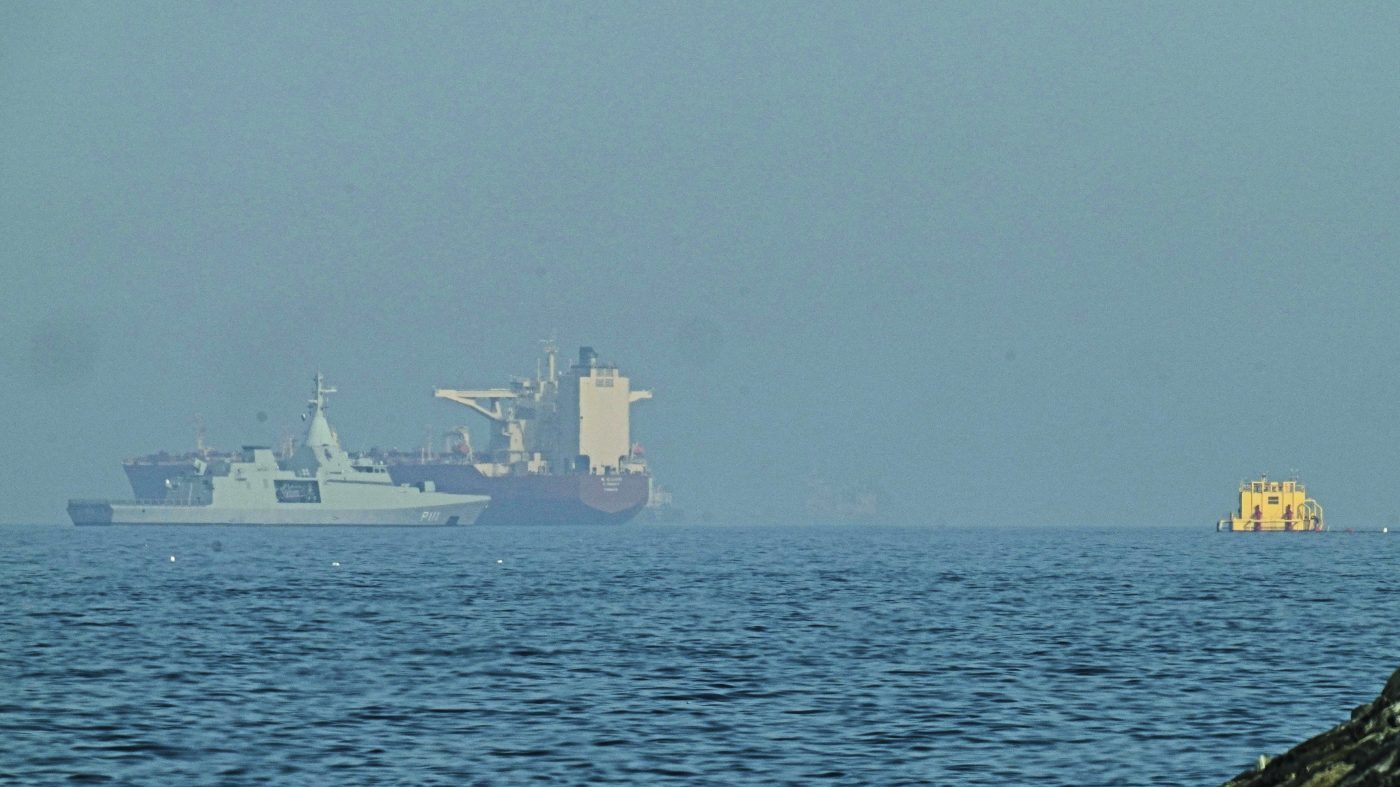
The sanctions also hit 19 vessels—sailing under flags from Barbados, Panama, Hong Kong, and others—that the U.S. says generated "hundreds of millions of dollars in revenue" for Iran by shipping petroleum and petrochemical products abroad. This broadens a crackdown that has targeted Iranian and foreign entities since the conflict erupted in early February, aiming to choke off Tehran's key revenue streams, including oil sales, and its defense industrial base.
Treasury Secretary Scott Bessent underscored the administration's focus on Iran's financial networks. "Iran's shadow banking system facilitates the illicit transfer of funding for terrorist purposes," he said in a statement. "As Treasury systematically dismantles Tehran's shadow banking system and shadow fleet under Economic Fury, financial institutions must be alert to how the regime manipulates the international financial system to wreak havoc."
The latest sanctions come amid reports that the U.S. has rejected Iran's latest peace proposal, which included demands for an end to all hostilities, war reparations, and the withdrawal of American troops from nearby areas. Tehran also reportedly sought the lifting of U.S. sanctions, the release of billions in frozen Iranian funds, and an end to the naval blockade in the Strait of Hormuz, according to state media IRNA.
President Trump warned on Sunday that the "clock is ticking" for Iran, threatening further military strikes, but pulled back a day later. In a Truth Social post on Monday, Trump said he would "hold off" on strikes planned for Tuesday at the request of leaders from Qatar, Saudi Arabia, and the United Arab Emirates. He noted that "serious negotiations are now taking place" and that a deal "will be made, which will be very acceptable to the United States of America, as well as all Countries in the Middle East, and beyond." Trump added, "This Deal will include, importantly, NO NUCLEAR WEAPONS FOR IRAN!"
The administration's broader sanctions strategy has drawn attention to similar efforts elsewhere, such as the sanctions on a Cambodian senator linked to a massive scam empire. Meanwhile, the targeting of Iran's shadow banking system echoes concerns raised in analyses of Iran's hawala networks that keep the regime afloat.