TORONTO — Canadian mining firm Sherritt International Corp. has abruptly reversed course on its plan to dissolve its long-standing Cuban joint venture, a decision announced just last week as the United States tightened sanctions on the island nation. The Toronto-based company, which has operated in Cuba for 32 years, said Tuesday it abandoned the dissolution process after further consultations with advisers, stakeholders, and government authorities, as well as new information that emerged.
Sherritt’s shift comes amid a broader recalibration of its strategy in the face of intensified US pressure on Havana. The company noted it has been presented with a preliminary “potential value preserving opportunity,” though it cautioned there is no guarantee the option will materialize or when it might proceed.

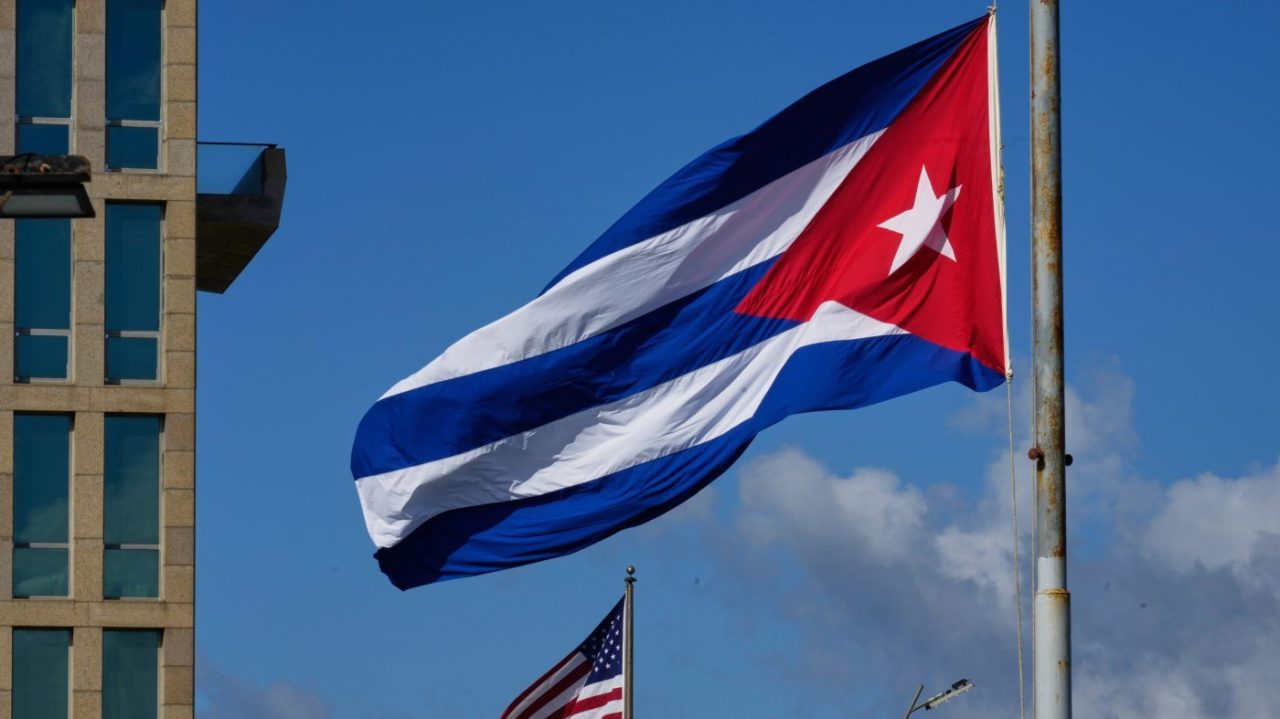
Canada remains Cuba’s second-largest source of direct foreign investment, particularly in mining, energy, and oil and gas sectors. Sherritt’s Moa joint venture, a 50-50 partnership with Cuba’s General Nickel Co. S.A., mines nickel on the island and ships it to Canada for refining.
Despite the reversal, Sherritt is maintaining its suspension of direct participation in Cuban joint venture activities, a move it announced in early May after Washington ramped up economic pressure. The company continues to face severe operational, financial, and legal challenges, including difficulties complying with debt covenants as it navigates the expanded sanctions regime.
U.S. Secretary of State Marco Rubio has defended the Trump administration’s latest sanctions on Cuba, arguing they are necessary to counter the regime’s repression. Cuban authorities, however, characterize the measures as “collective punishment” aimed at strangling the economy, accusing the administration of prioritizing political leverage over the welfare of the Cuban people.
The new sanctions compound an existing U.S. energy blockade that has triggered widespread power and water outages, as well as acute shortages of fuel and drinking water across the island. Some analysts warn the tightening embargo could spark a new wave of migration.
Sherritt’s decision to halt the dissolution plan underscores the complex interplay between corporate strategy and geopolitical pressures in Cuba. The company’s long history on the island and its reliance on nickel exports make it a key player in the region’s mining sector, even as US policy seeks to isolate Havana.