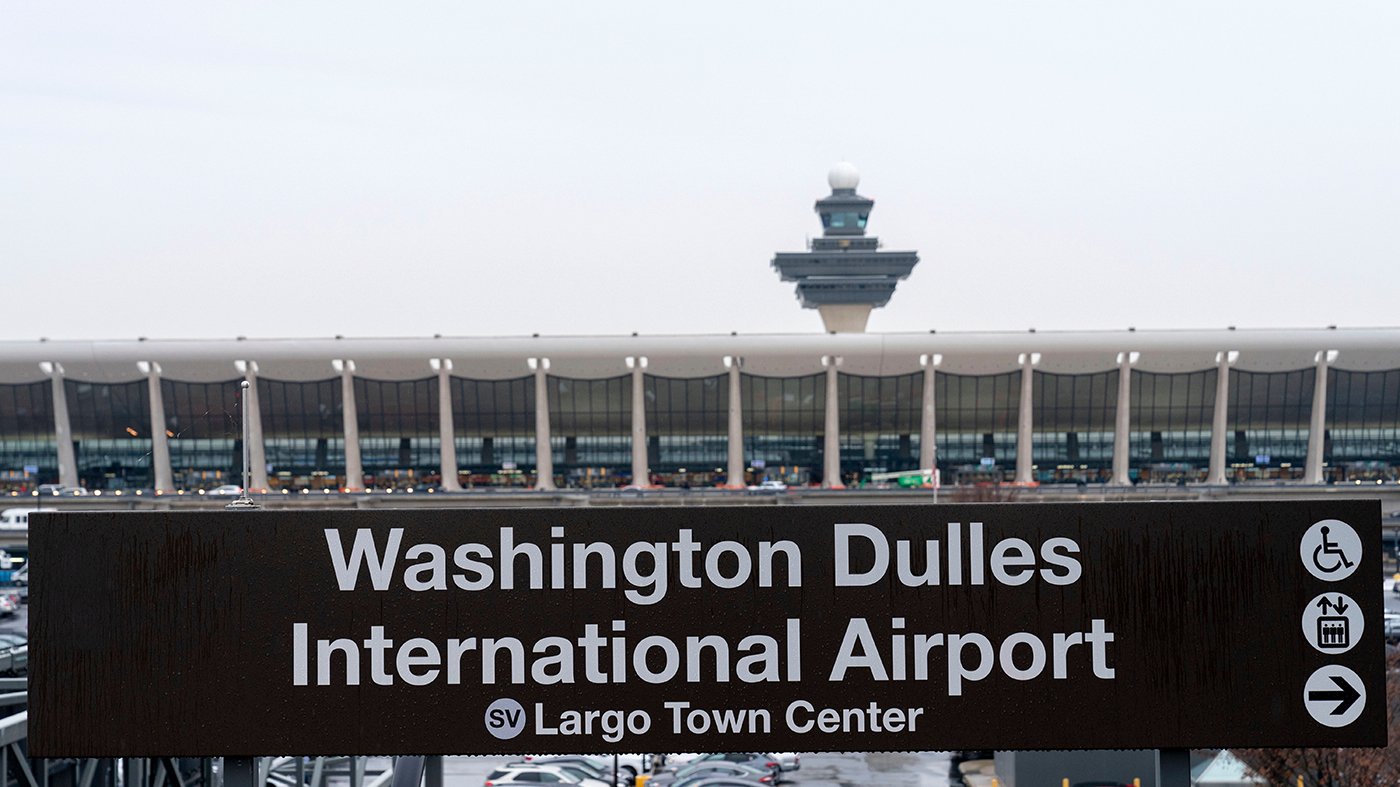
The Biden administration is tightening entry requirements for Americans returning from three African nations grappling with Ebola outbreaks, funneling them through Washington Dulles International Airport for enhanced health checks.
Under a State Department advisory issued Thursday, all U.S. citizens and lawful permanent residents who have been in Congo, Uganda, or South Sudan within the past 21 days must undergo what officials call “enhanced public health screening” conducted jointly by the Centers for Disease Control and Prevention and Customs and Border Protection.

The move comes days after the World Health Organization declared the Ebola outbreaks in Congo and Uganda a public health emergency of international concern. South Sudan, which borders both outbreak zones, is also included in the screening order due to cross-border travel risks. The CDC earlier this week barred foreign nationals who had visited any of the three countries in the prior three weeks from entering the United States, a step that has already caused disruptions, including a Detroit-bound flight diverted to Montreal after a passenger violated the ban.
The screening at Dulles, one of the busiest international gateways on the East Coast, is designed to detect symptoms and prevent the virus from reaching American soil. Health officials emphasize that the risk to the general U.S. population remains low, but the measures reflect growing alarm over the spread of the rare Bundibugyo Ebola variant in eastern Congo, which has surged despite WHO warnings of a low global threat. Local responders in the region have reported shortages of protective equipment, complicating containment efforts.
The State Department advisory applies to all travelers—citizens and permanent residents alike—who have been in Congo, Uganda, or South Sudan within 21 days of their arrival in the United States. They must travel through Dulles, where CDC staff will conduct temperature checks, symptom assessments, and exposure interviews. Those showing signs of illness may be referred for further medical evaluation or quarantine.
The enhanced screening is part of a broader U.S. strategy to keep Ebola at bay, building on earlier measures such as the CDC's invocation of Title 42 authority to ban travel from affected nations. That public health order, originally used during the COVID-19 pandemic, allows the government to turn away non-citizens who pose a communicable disease risk.
Critics have questioned the effectiveness of airport screening alone, noting that Ebola can incubate for up to 21 days without symptoms. Public health experts argue that robust surveillance and rapid response capabilities within the U.S. are more critical than travel restrictions, which can also hinder the delivery of medical supplies and personnel to outbreak zones.
The WHO’s emergency declaration Sunday highlighted the international dimension of the crisis, urging countries to avoid blanket travel bans while supporting containment in affected regions. The U.S. restrictions, however, mirror a more aggressive posture that has drawn comparisons to the Trump-era travel bans during the 2014 West Africa Ebola outbreak.
As the situation develops, travelers from the affected countries should expect continued scrutiny at Dulles and potential delays. The State Department has not indicated how long the enhanced screening will remain in place, but officials say it will be reviewed based on epidemiological data and WHO assessments.