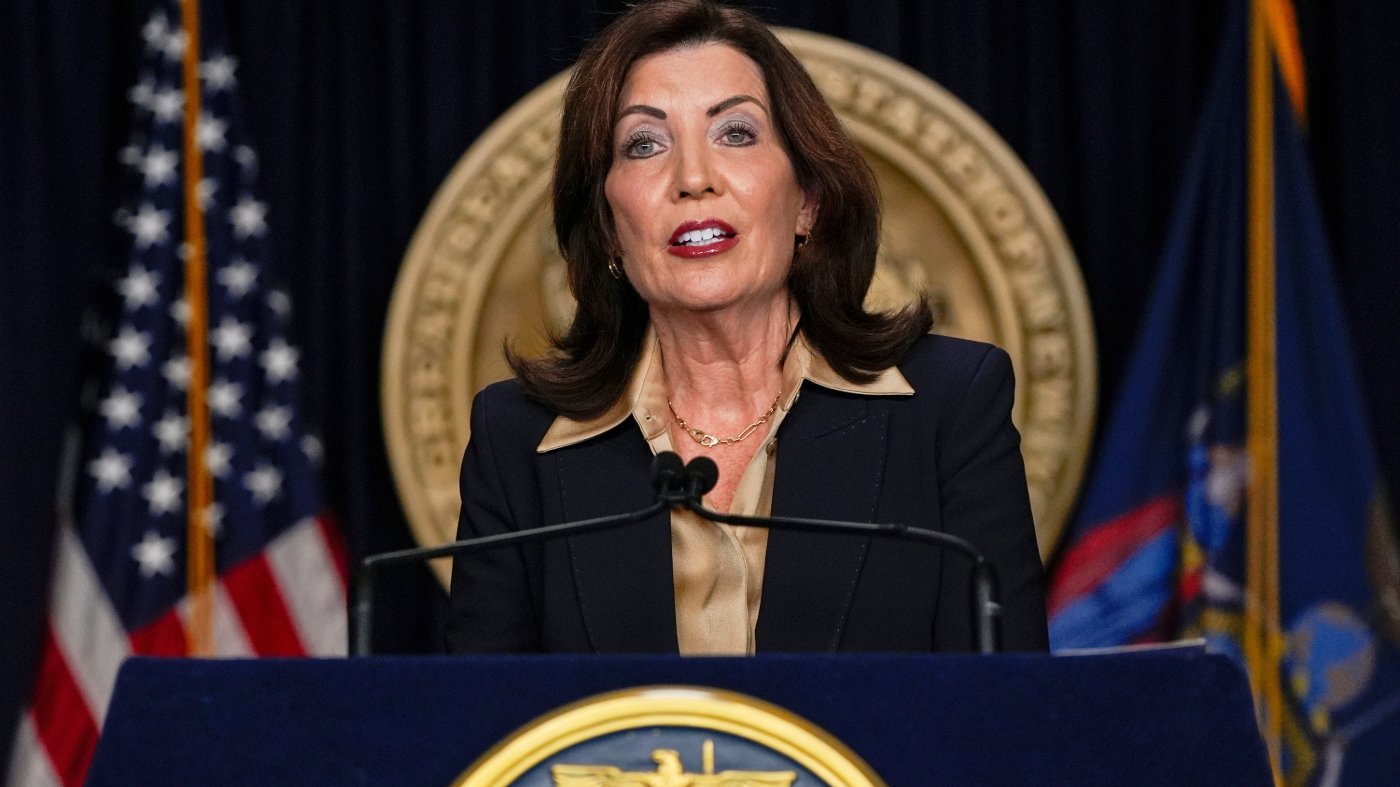
New York Governor Kathy Hochul has made a politically risky but policy-focused decision by opting the state into the Federal Scholarship Tax Credit, a program that provides direct financial relief to families grappling with rising education costs. The move comes as inflation hits 3.8 percent, the highest since May 2023, squeezing household budgets from groceries to housing.
The program, often mischaracterized as a private school voucher scheme, actually extends support to students in public, charter, and private schools. It covers expenses like tutoring, special needs services, after-school programs, computers, and internet access. Families earning up to 300 percent of the local median income—covering much of New York's middle class—qualify for the aid.
Opponents argue that public dollars should stay in public schools, but the funding mechanism here is distinct. The scholarship is financed entirely through federal tax credits on private charitable donations, not state education appropriations. Public school budgets remain untouched, and the state incurs no cost.
The economic impact is substantial. According to projections, every dollar spent on K-12 education generates $6.66 in economic activity and $1.66 in tax revenue. For New York, the program is expected to boost GDP by $5.3 billion, create 16,000 jobs, and generate $1.3 billion in new tax revenues. The ripple effect will likely spur growth in tutoring centers, test prep services, and other educational businesses across the state.
Hochul's decision is a break from the ideological gridlock that often stymies education policy. As she navigates a political landscape where affordability is a key voter concern—especially amid a dispute over the LIRR strike—this move signals that practical solutions can transcend partisan lines. Other governors, particularly in blue states, are watching closely. New York's precedent shows that supporting public schools and expanding educational opportunity are not mutually exclusive.
The program also addresses a broader affordability crisis. The recent inflation report underscores that families are struggling to afford basics, including educational support for their children. Hochul’s action provides a tangible tool for relief, sidestepping the culture wars that often dominate education debates.
Critics may still label this a voucher program, but the facts don't support that. No dollars are diverted from public schools, and the structure is designed to supplement, not supplant, existing funding. As the debate over education policy evolves—especially with lawsuits over graduate loan caps and ongoing federal battles—Hochul’s leadership offers a model for balancing fiscal responsibility with student needs.
Ultimately, this is a story about a governor who prioritized families over political orthodoxy. For those who argue that affordability is a top issue, Hochul has delivered a concrete response. The children waiting for support can't afford for politics to lag behind.