WASHINGTON — The White House on Thursday forcefully rejected allegations that it obstructed the return of an American physician exposed to the Ebola virus, labeling the claims as “absolutely false.” The denial follows a Washington Post report that administration officials resisted evacuating Dr. Peter Stafford from the Democratic Republic of Congo after he contracted the Bundibugyo strain.
“President Trump has consistently taken great risks to ensure Americans exposed to deadly and contagious diseases are safely brought back home,” said White House spokesperson Kush Desai in a statement to NewsNation. He cited past actions, including the rapid evacuation of diplomats from China during the early days of the COVID-19 pandemic and the recent repatriation of Americans exposed to the Andes virus.
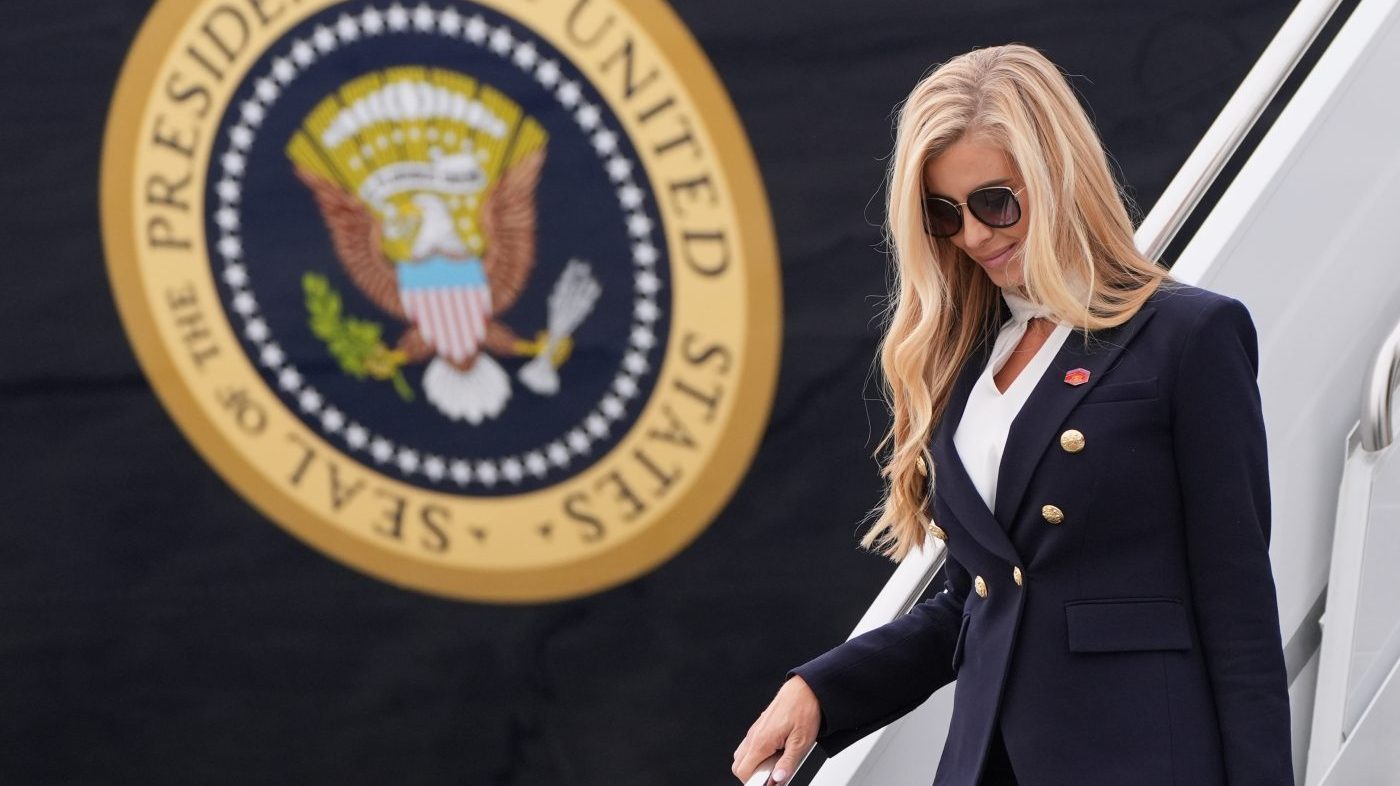
Desai dismissed the notion that the White House was concerned about the optics of bringing an infected American home. “The idea that the White House was concerned that bringing a sick American back home to receive the best standard of care would somehow be poor optics is not only false, but nonsensical,” he added.
The Washington Post, citing individuals familiar with the response, reported that U.S. health experts advocated for Stafford’s evacuation to the United States for treatment but met resistance from the Trump administration. “The president and his people did not want him back in the United States,” one source told the newspaper.
Stafford, who was working at a hospital in Bunia in northeastern DRC under the international Christian mission organization Serge, was exposed to Ebola-infected patients. Two other physicians, including his wife Rebekah Stafford and Patrick LaRochelle, were also exposed but remain asymptomatic. Ultimately, Stafford was transported to Germany for treatment along with six other Americans.
Desai defended the decision to send Stafford to Germany, citing the urgency of the situation. “Time is of the essence, and Germany is 12 hours closer to the DRC than the DRC is to the United States,” he said. “Given that this American was in a very unstable part of the DRC, which as a whole is an unstable country, the Administration continues to take the most effective actions to maximize this American’s odds of survival and minimize the odds of further transmission.”
The administration’s response contrasts sharply with the 2014 Ebola outbreak in West Africa, when the first two American patients were brought to Atlanta for treatment. President Trump, then a private citizen, harshly criticized that decision on social media, writing that former President Obama “should apologize to the American people & resign” if a doctor flown from West Africa to New York had the virus. In another post, Trump wrote, “How incompetent are our leaders allowing these Ebola infected people to come into our country with all of the problems and danger entailed!”
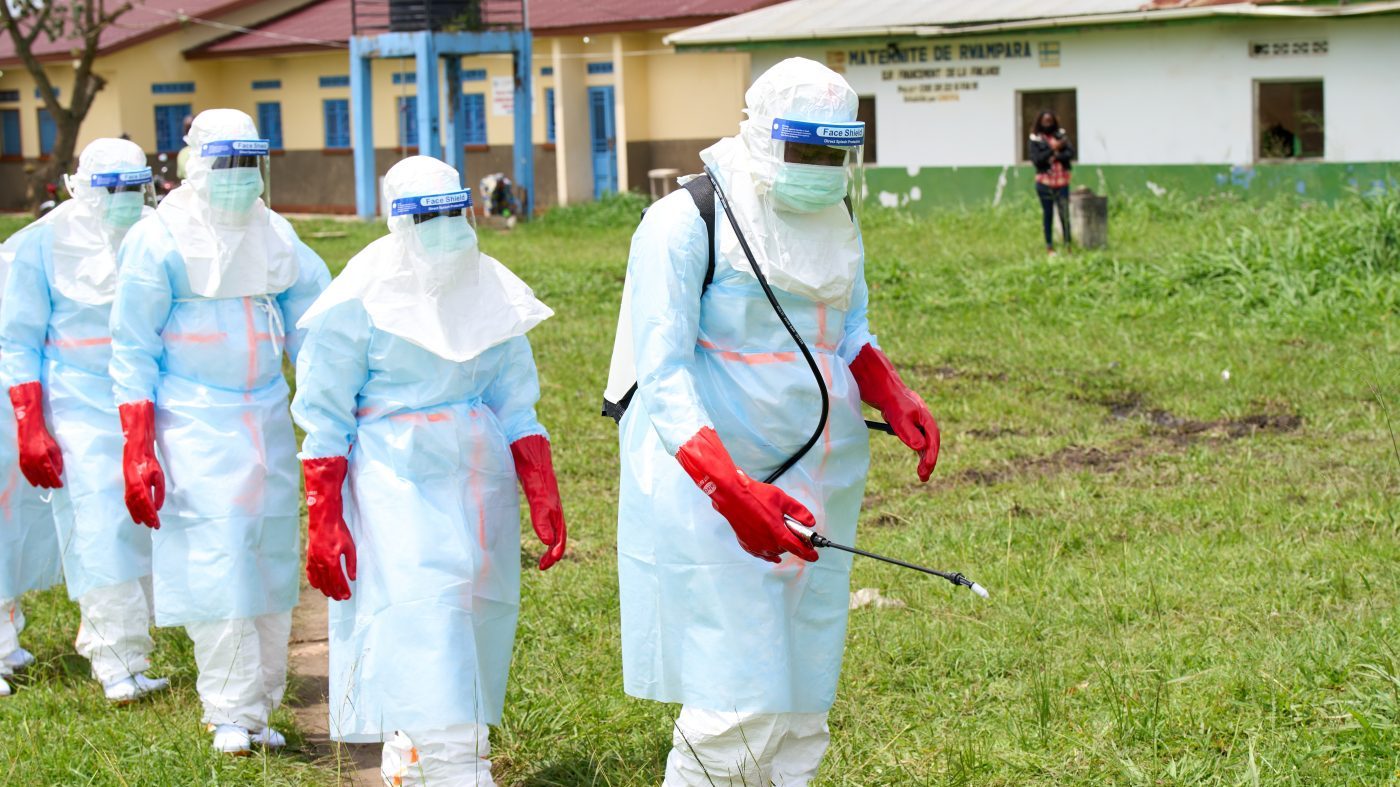
The Centers for Disease Control and Prevention announced Monday it would ban foreign passport holders who have been in Uganda, Congo, or South Sudan in the previous 21 days from entering the United States, as the outbreak continues. The risk to the U.S. is considered low, but officials are concerned about potential spread through asymptomatic travelers. At least one U.S. citizen with high-risk exposures was sent to the Czech Republic for monitoring; health officials said the decision was based on timing and conditions on the ground.
“The plans for these individuals that have moved were made based on the conditions on the ground, the need to rapidly mobilize,” said Dr. Satish Pillai, the CDC’s Ebola response leader. “As you know, this is a very rapid set of circumstances that unfolded over the weekend.”
The Bundibugyo strain, a rare variant of the Ebola virus, has been surging in eastern Congo. The World Health Organization has warned of a low global threat but noted that local responders lack adequate protection. The Trump administration’s travel restrictions and evacuation decisions remain under scrutiny as the outbreak evolves.