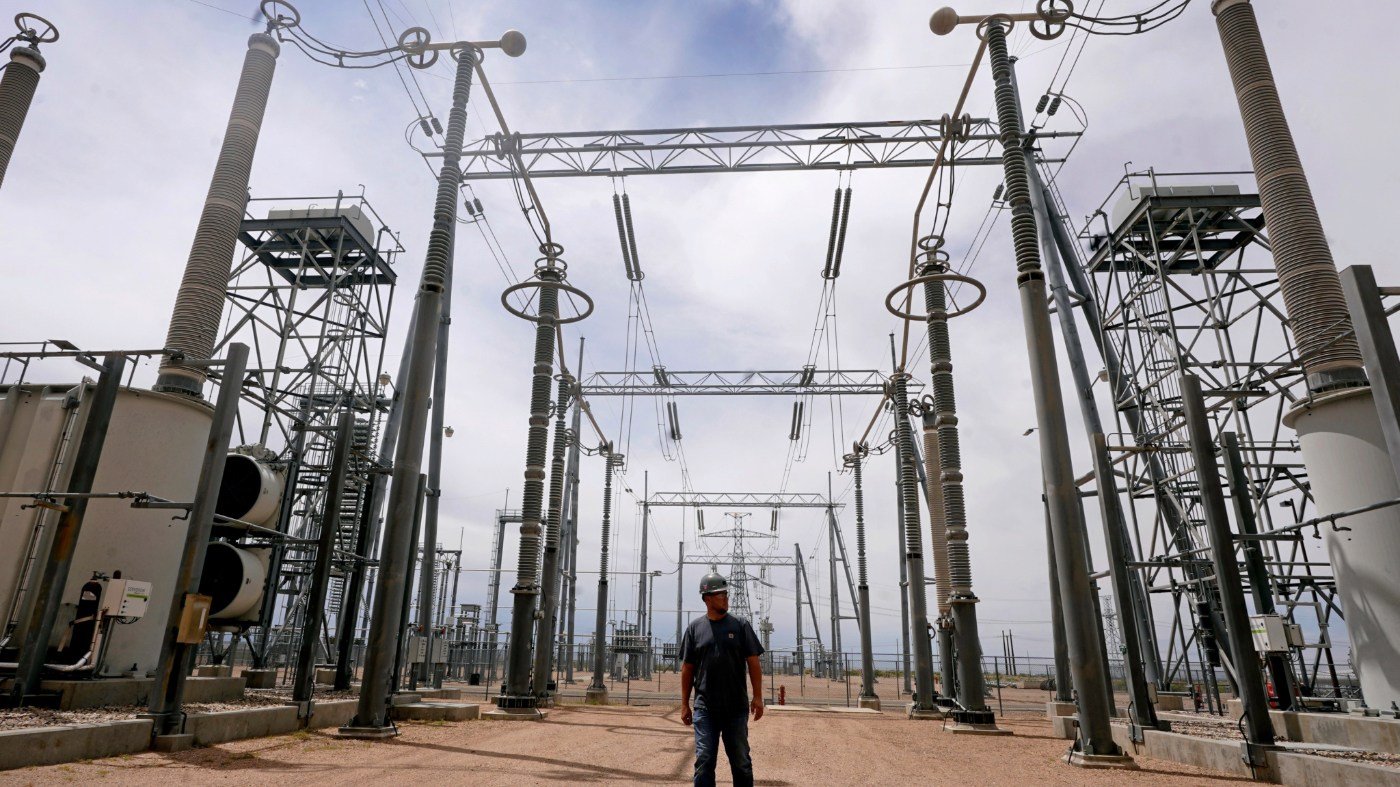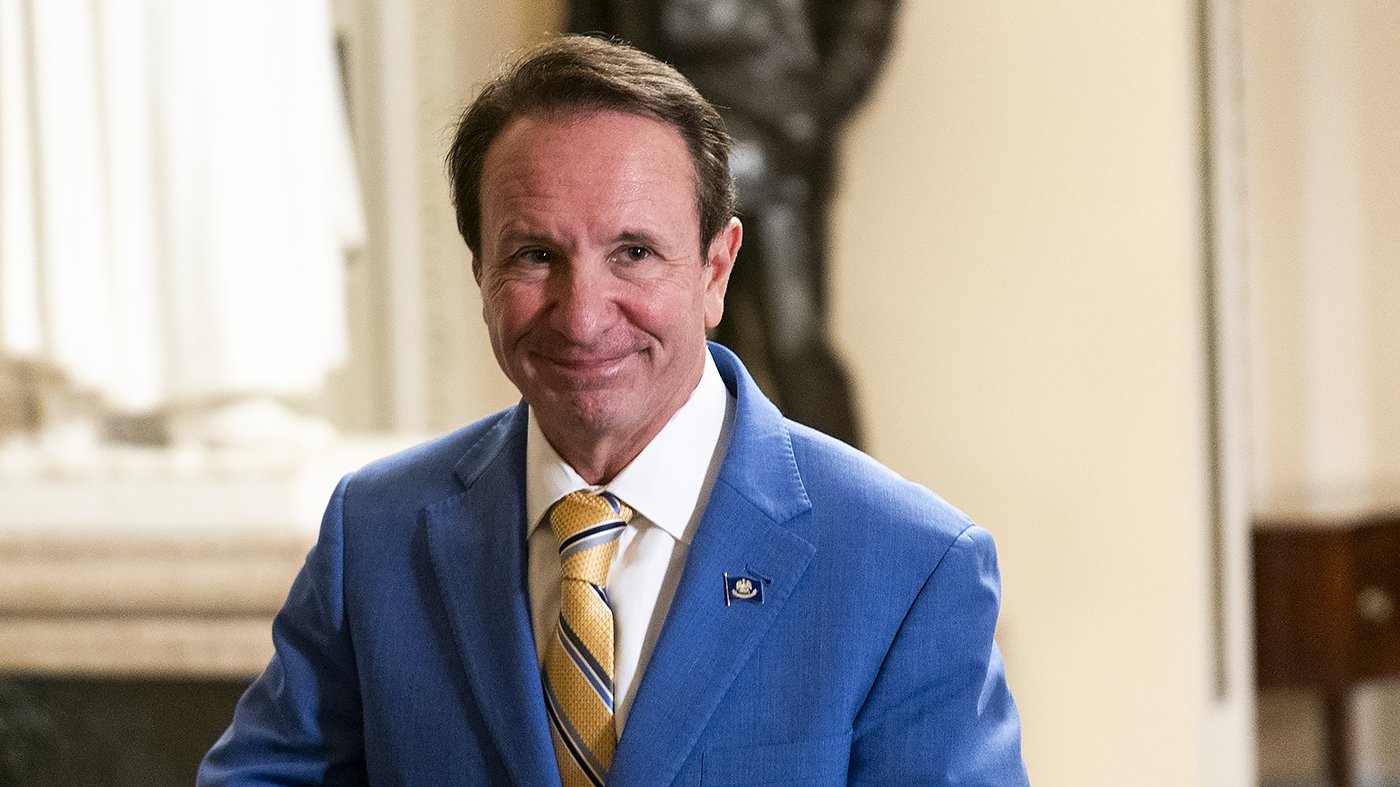
Louisiana Governor Jeff Landry, serving as President Trump’s special envoy to Greenland, argued Friday that the Danish territory could help stabilize global oil markets by ramping up production amid the ongoing conflict with Iran. Speaking on Fox News, Landry described his recent visit to the island as “eye opening” and emphasized the strategic value of its untapped resources.
“Greenland could be exporting 2 million barrels of oil a day right now,” Landry told host Brian Kilmeade. “Think about what that could mean. Think about what kind of pressure that would relieve in the Strait of Hormuz.”
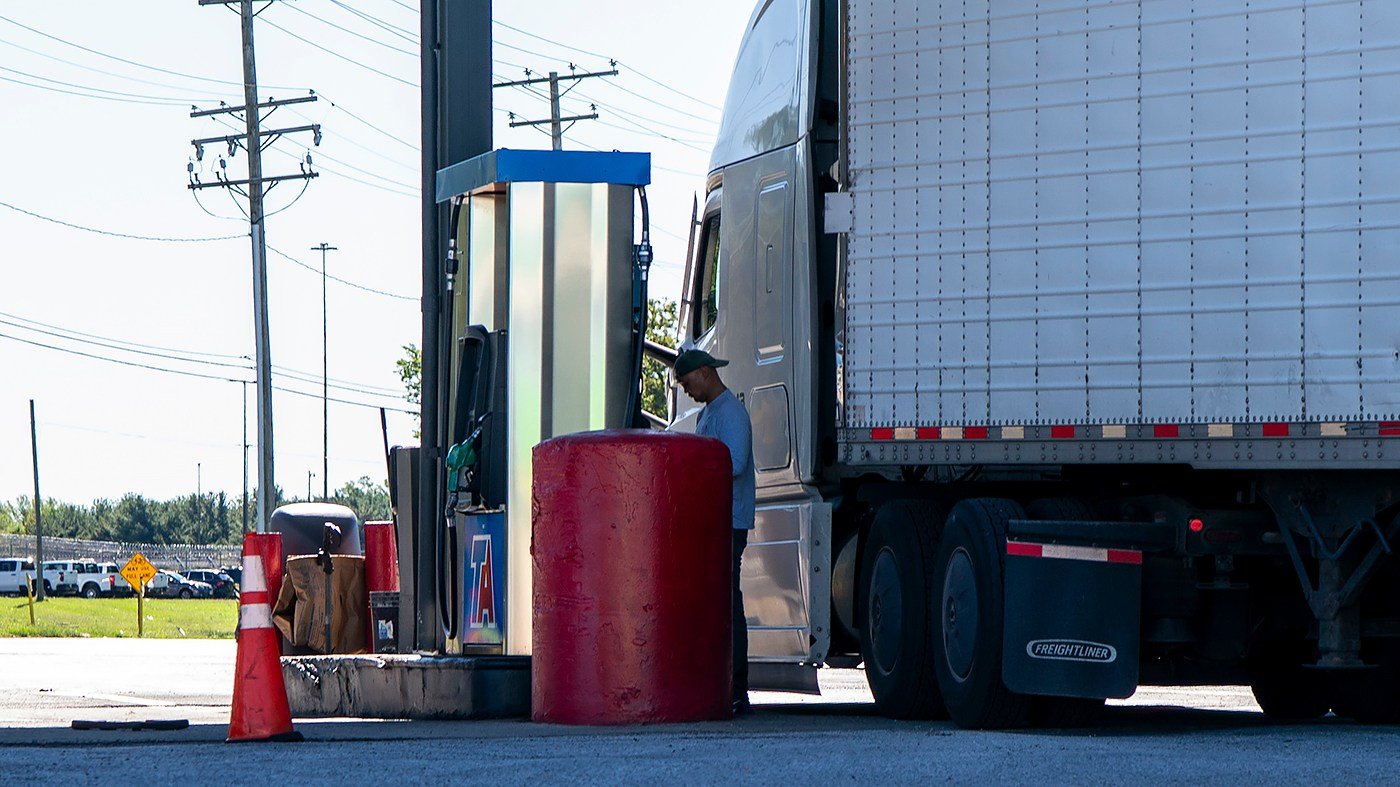
The Strait of Hormuz, a critical chokepoint for global energy trade, has been effectively closed during the Iran war following Iranian counterstrikes and a subsequent U.S. naval blockade. Under normal conditions, roughly one-fifth of the world’s oil consumption passes through the waterway daily. The disruption has sent prices soaring: Brent crude traded near $102 a barrel Friday, while U.S. benchmark West Texas Intermediate hovered around $98.
Landry claimed Greenland’s oil infrastructure could be operational within 10 months, a timeline that would offer a significant alternative supply source if realized. “The president is the only president in the last 30 or 40 years to actually care about doing something and putting Greenland on the map,” he said.
The governor’s comments come as the White House continues to explore options to counter rising energy costs, with analysts warning of potential gas price spikes if the Strait remains closed. Landry’s three-day trip to Greenland was conducted without an official invitation, and local officials greeted him coolly. Greenlandic Prime Minister Jens-Frederik Nielsen told reporters after meeting Landry that he “reiterated that the people of Greenland are not for sale and that Greenlanders have the right to self-determination.”
Landry said Trump instructed him to “go there and make a bunch of friends,” but the reception on the ground suggests limited appetite among Greenlanders for closer U.S. ties, let alone resource extraction. The island’s government has long resisted foreign ownership or control, a stance that has frustrated Trump’s acquisition ambitions.
Despite the diplomatic tensions, Landry’s push for Greenland’s oil production aligns with broader administration efforts to secure alternative energy sources and reduce dependence on volatile Middle Eastern transit routes. Tehran has demanded an end to the Hormuz blockade as part of any peace deal, but negotiations remain stalled.
For now, Landry’s proposal remains aspirational, facing both logistical hurdles and political resistance. But his remarks underscore the Trump administration’s willingness to explore unconventional solutions to the energy crisis—even if it means testing the limits of international diplomacy.