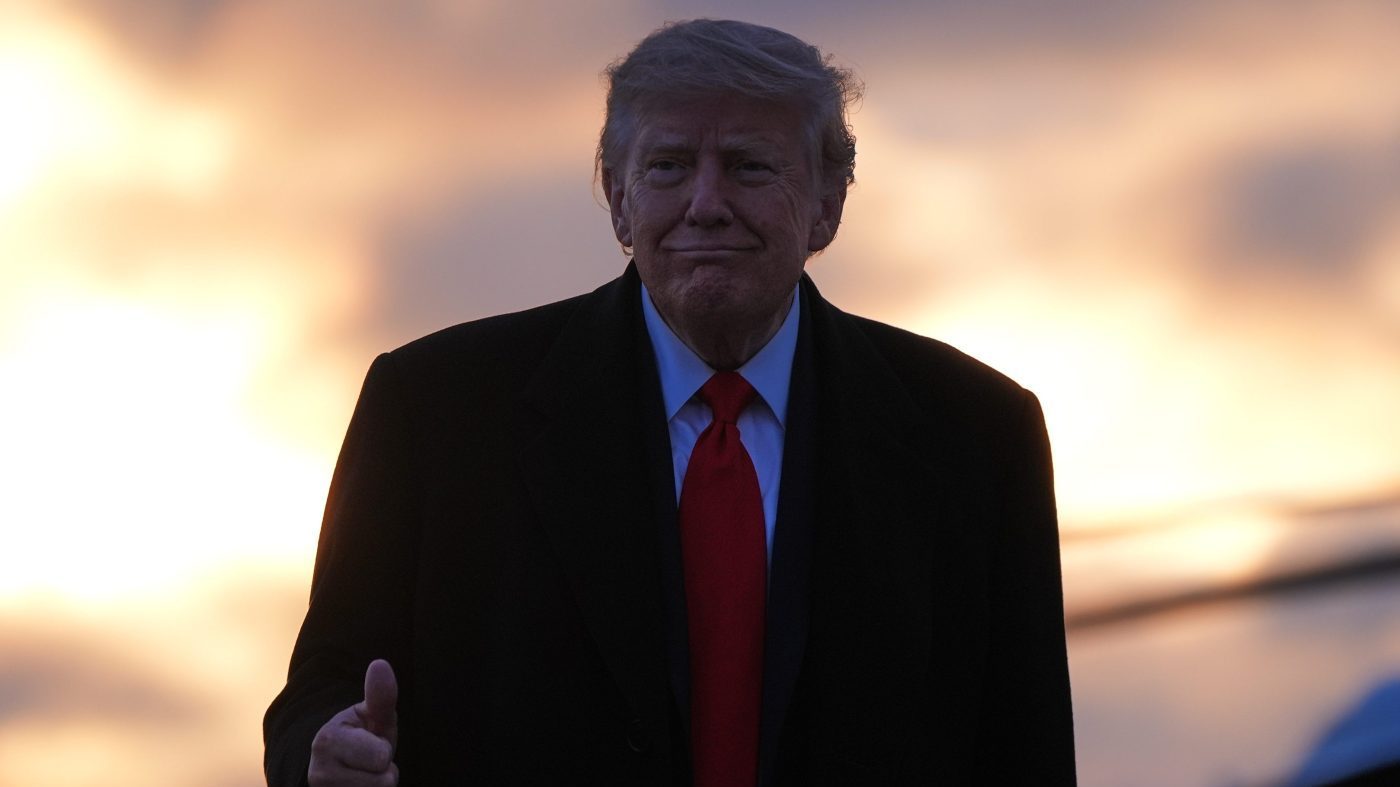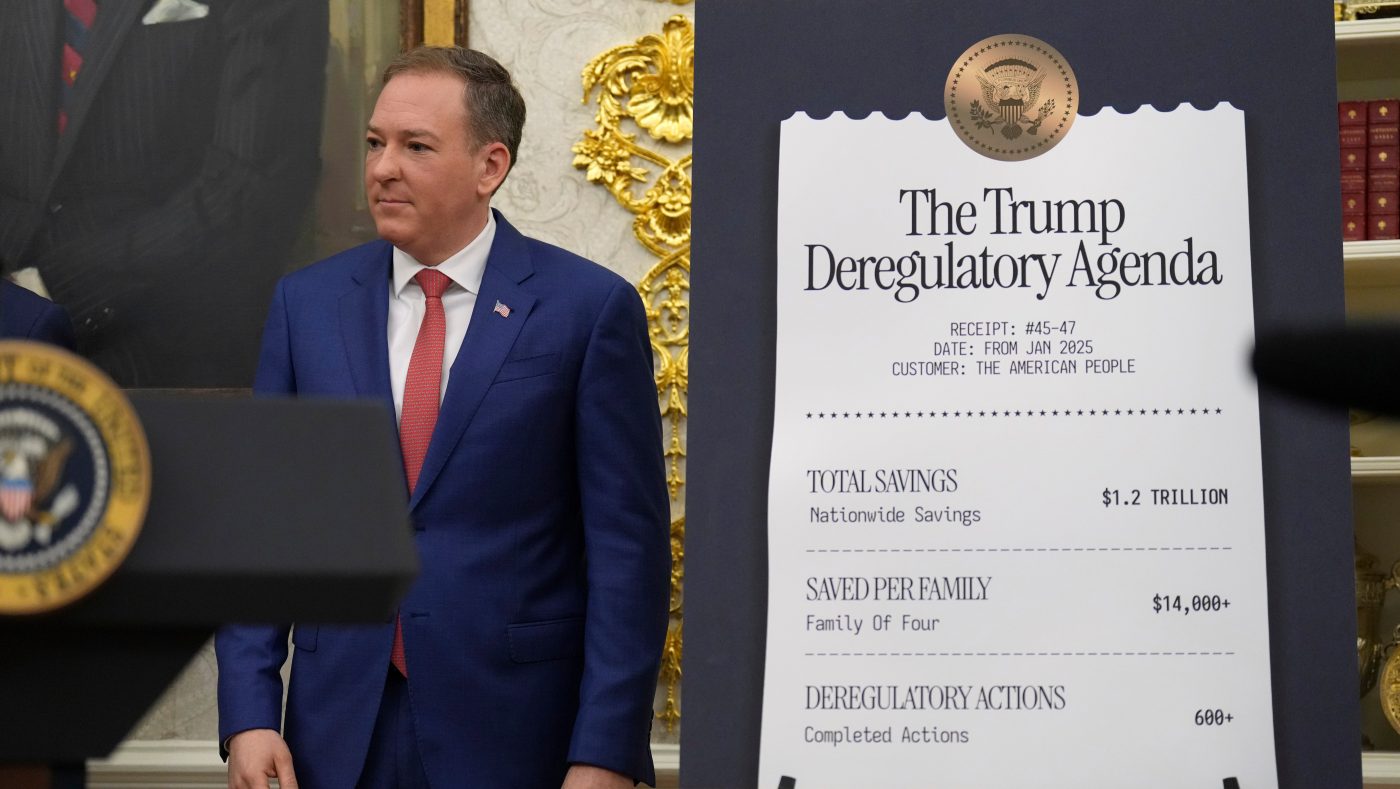
President Trump announced Thursday that his administration is rolling back regulations that would have restricted the use of hydrofluorocarbons (HFCs), potent greenhouse gases widely used in commercial refrigeration and air conditioning. The move, which Trump framed as a blow against what he called the Biden administration's "ridiculous regulations," is expected to provide significant financial relief to businesses and consumers.
"Today's reforms will deliver significant financial relief, saving American families and businesses more than $2.4 billion," Trump said, as he formally terminated the previous administration's push to phase down HFCs.
The Environmental Protection Agency (EPA) will now give companies, including grocery stores, more time to transition away from HFCs, a White House official confirmed. The decision was not unexpected—the administration had proposed loosening the rule last year—but it comes at a politically sensitive time, with Americans grappling with high inflation. U.S. food costs rose 0.6% in April compared to March and are up 3.2% year-over-year, according to recent data.
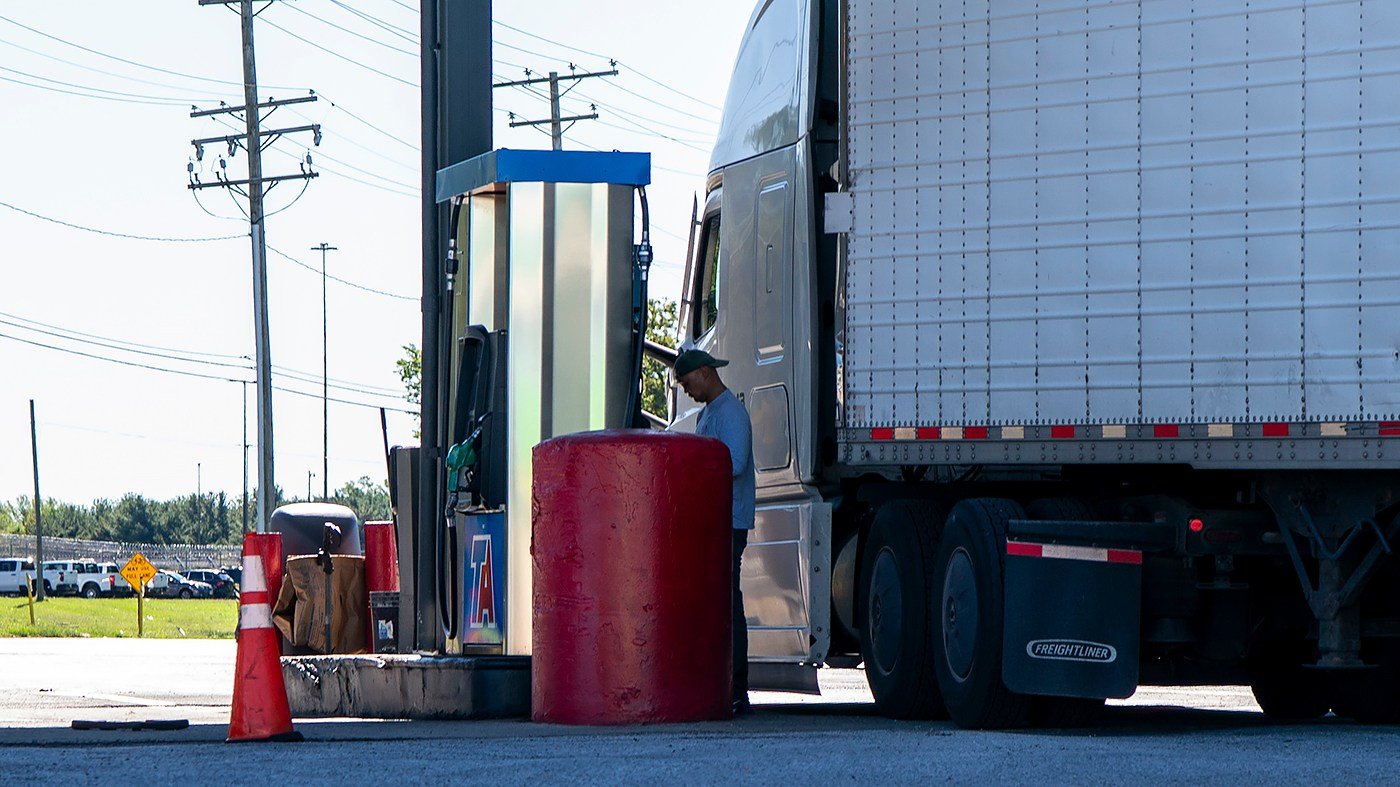
The EPA also announced it will propose changes to a separate rule aimed at reducing leaks of these chemicals, with a fact sheet indicating the agency will exempt the transportation sector from those requirements.
The rollback is part of a broader effort by the Trump administration to ease regulatory burdens on industry, a theme that has resonated with Republican voters and business groups. However, environmental advocates have criticized the move, arguing that HFCs are thousands of times more potent than carbon dioxide in trapping heat in the atmosphere and that delaying their phase-down undermines U.S. climate commitments.
The decision also aligns with Trump's recent actions on environmental policy, including his decision to pull back AI testing orders and his broader push to dismantle climate-focused regulations. Critics note that the timing of the announcement, amid rising grocery prices, suggests a political calculation to appeal to voters concerned about affordability.
The move comes as the Senate GOP is delaying a $70 billion immigration package over internal disputes, and as Trump's approval rating among Republicans has hit a new low in a Fox News poll, with affordability and the economy topping voter concerns.
In a separate development, the United Nations voted this week to affirm that countries have a responsibility to protect people from climate change, with the U.S. voting against the resolution alongside Russia and Iran. The UN's climate responsibility resolution underscores the growing international divide on climate action.
For now, the Trump administration's decision on refrigerants marks a clear break from the previous administration's climate agenda, with the president betting that regulatory relief will resonate with voters more than environmental concerns.