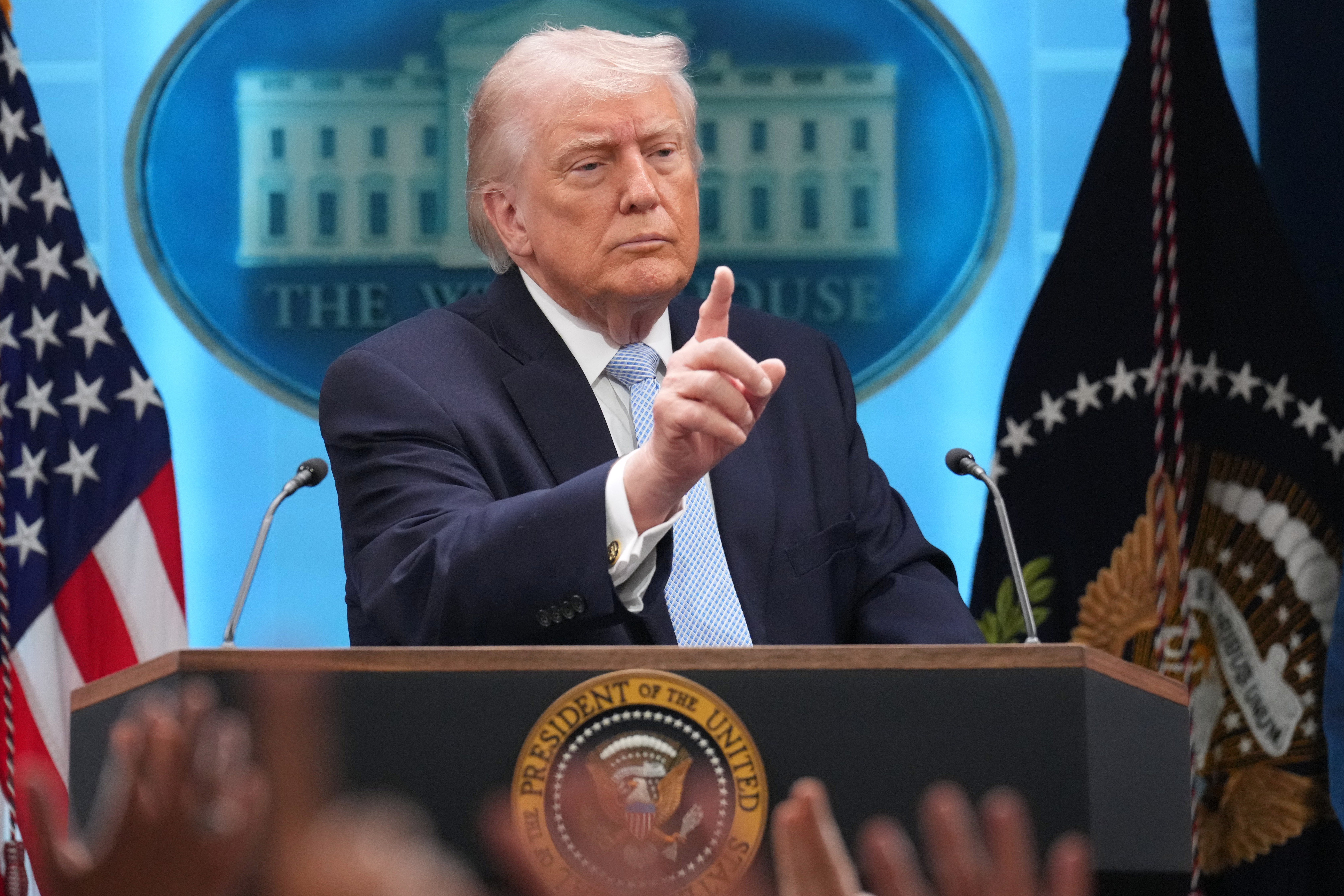
Congressional Republicans erupted in anger this week over a $1.8 billion fund created by the Department of Justice to compensate individuals who claim they were targeted by a 'weaponized' government. The backlash was so intense that it prompted Senate Republicans to abruptly recess for the Memorial Day weekend, shelving a party-line budget reconciliation bill that would have funded Immigration and Customs Enforcement (ICE) and Border Patrol—blowing past President Trump's June 1 deadline.
The fund, established Monday as part of a settlement after Trump sued the IRS for $10 billion over the leak of his tax returns, offers payouts and formal apologies to those who believe they were wrongfully targeted. Critics quickly noted that this could include individuals convicted for their roles in the January 6, 2021, Capitol riot, whom Trump later pardoned en masse—a move that has long frustrated many in his own party.
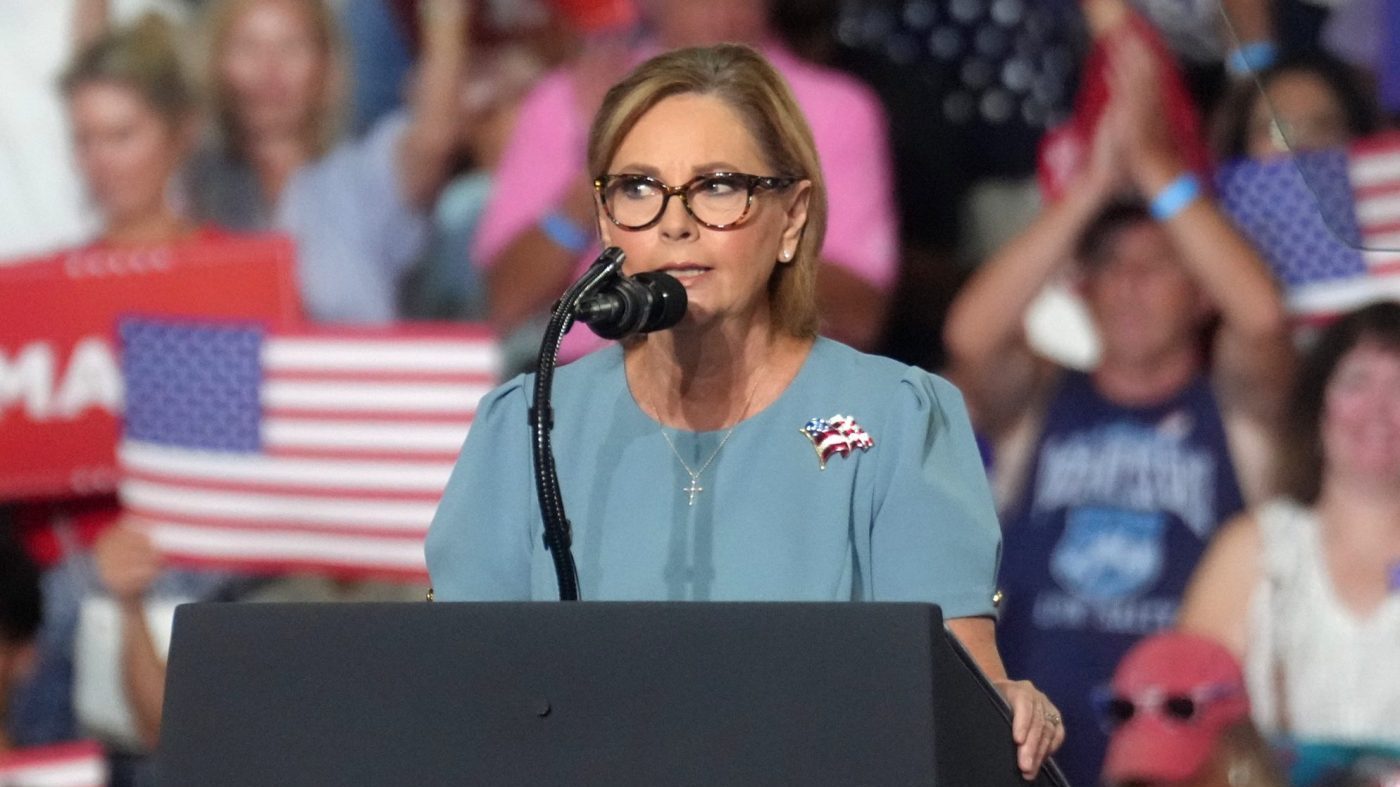
Republican Lawmakers Vow to Block the Fund
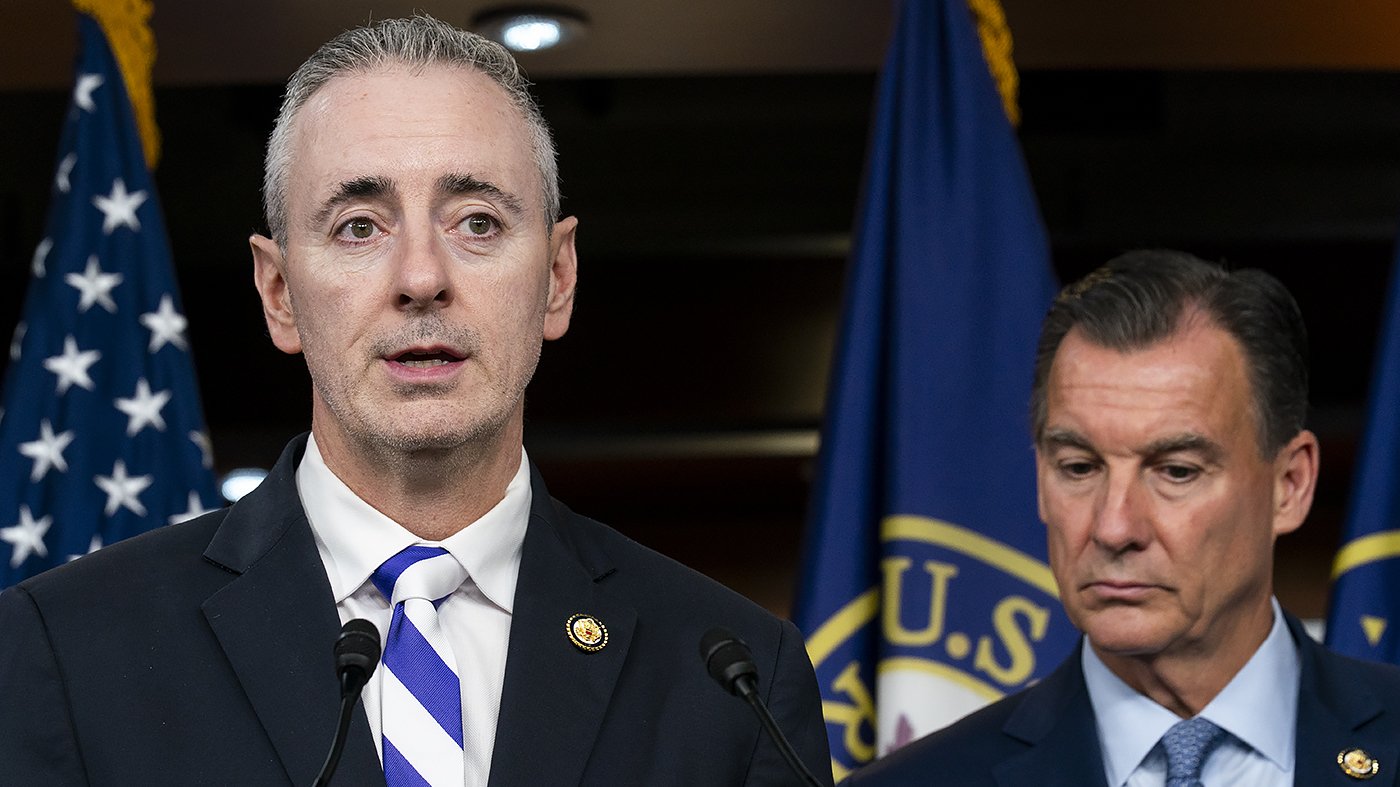
Rep. Brian Fitzpatrick (R-Pa.) told Meidas Touch on Wednesday that he and several colleagues plan to 'kill' the fund. He immediately sent a letter to Acting Attorney General Todd Blanche and, alongside Rep. Tom Suozzi (D-N.Y.), introduced legislation to bar any federal dollars from being used for claims submitted to the fund. 'Taxpayer dollars will not become a discretionary payout fund,' Fitzpatrick declared. 'Transparency is not optional. Accountability is not negotiable.'
Rep. Don Bacon (R-Neb.) said he would 'be willing to consider' using congressional action to block the money, calling the arrangement 'inappropriate.' 'When you negotiate with yourself over taxpayer money, it doesn't look right,' Bacon added.
Senate GOP Revolt Derails Trump's Border Bill
The fiercest pushback came from the Senate, where Republicans were already seething over an initial $1 billion in the border bill allocated for security related to Trump's White House ballroom. The timing of the anti-weaponization fund only deepened the rift between Senate Republicans and the president. Sen. Mitch McConnell (R-Ky.) blasted the fund as a 'slush fund to pay people who assault cops,' calling it 'utterly stupid' and 'morally wrong.'
Sen. Katie Britt (R-Ala.) insisted she did not want any January 6 participant who assaulted police officers to receive compensation—a possibility the Trump administration has refused to rule out. Sen. Bill Cassidy (R-La.), who was ousted from his reelection bid after Trump backed challenger Rep. Julia Letlow, labeled the fund a 'slush fund' and argued that Americans are worried about 'paying their mortgage or rent, affording groceries and paying for gas, not about putting together a $1.8 billion fund for the President and his allies to pay whomever they wish.' Cassidy added that if a settlement is needed, the administration should bring it to Congress for approval.
After a meeting with Acting Attorney General Blanche on Thursday, Senate Republicans announced they would leave town without voting on the ICE and Border Patrol funding bill, effectively stalling a key Trump priority.
Mixed Reactions Among Republicans
Not all Republicans are united in opposition. Rep. Andy Ogles (R-Tenn.) suggested that January 6 rioters could be eligible for payouts on a 'case-by-case basis,' saying that if they were targeted, their claims should be reviewed. Speaker Mike Johnson (R-La.) deferred to Blanche on specifics, stating that the fund is meant to compensate 'all Americans who have been the subject, the target, of weaponization of the federal government' and that details on eligibility are still being worked out.
Rep. Kevin Kiley (I-Calif.), who caucuses with Republicans, expressed skepticism, telling reporters, 'I don't know why anyone is receiving money from this fund. That's not the way we typically adjudicate claims.' He called for congressional oversight to examine how the fund was created and what criteria will govern distributions.
Fitzpatrick urged his colleagues to resist pressure and 'call balls and strikes fairly.' The controversy is unlikely to fade after the break, as must-pass legislation remains in limbo and scrutiny of the fund intensifies.
For more on the political fallout, see coverage of Fitzpatrick's demands for answers and Blanche's defense of the fund to skeptical senators.