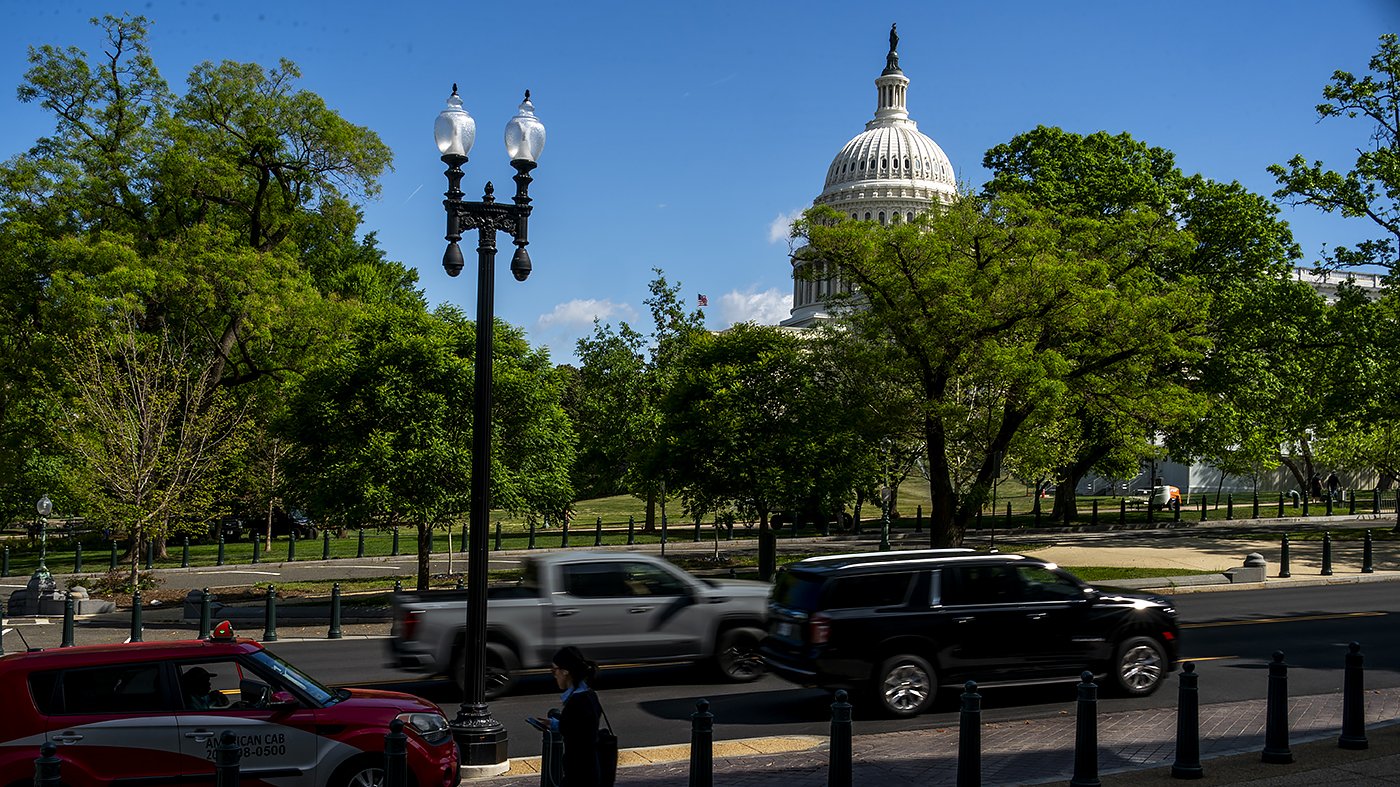
The House on Thursday postponed a vote on a Democratic-sponsored war powers resolution designed to curtail President Trump's ability to use military force against Iran. Republican leaders orchestrated the delay, citing attendance concerns among their members.
The resolution, which would require congressional approval for further military action in Iran, has become a flashpoint in the ongoing debate over executive war powers. Trump and GOP leaders maintain that the president possesses the constitutional authority to unilaterally engage Tehran, warning that limiting his options would embolden Iran's Islamic regime and undermine U.S. national security interests.
This move comes after a similar measure narrowly failed last week in the House, with centrist Democrat Jared Golden of Maine breaking ranks to oppose it. Golden argued at the time that the resolution included a March 30 withdrawal deadline that had already passed, rendering it ineffective. However, he signaled he would support a clean version of the resolution without that deadline.
The Senate has also been grappling with the issue, advancing a war powers resolution earlier this week with support from four Republican senators. Among them was Louisiana Senator Bill Cassidy, who backed the measure for the first time. Cassidy, who lost a Trump-backed primary challenge to Representative Julia Letlow and state Treasurer John Fleming, joined Democrats in the 51-49 vote to move the resolution forward.
Tuesday's Senate vote marked the eighth time since the conflict began that lawmakers have considered such a motion, but it was the first to succeed. The resolution now faces an uncertain path, with opponents arguing it would tie the president's hands during a volatile period in the Middle East.
The House delay underscores the deep partisan divisions over Iran policy. Republicans have characterized the war powers push as a political messaging exercise rather than a serious policy debate. Meanwhile, Democrats and some GOP critics argue that Congress must reclaim its constitutional role in authorizing military action, especially given the risk of broader escalation.
As the clock ticks, the resolution's fate remains unclear. The House is expected to revisit the measure next week, though GOP leaders may continue to use procedural tactics to stall. The Senate version, meanwhile, could face a filibuster or veto threat from the White House.
This episode highlights the ongoing struggle between the executive and legislative branches over war powers, a tension that has intensified under Trump's tenure. For now, the ball is back in the House's court, with both sides digging in for what promises to be a contentious debate.