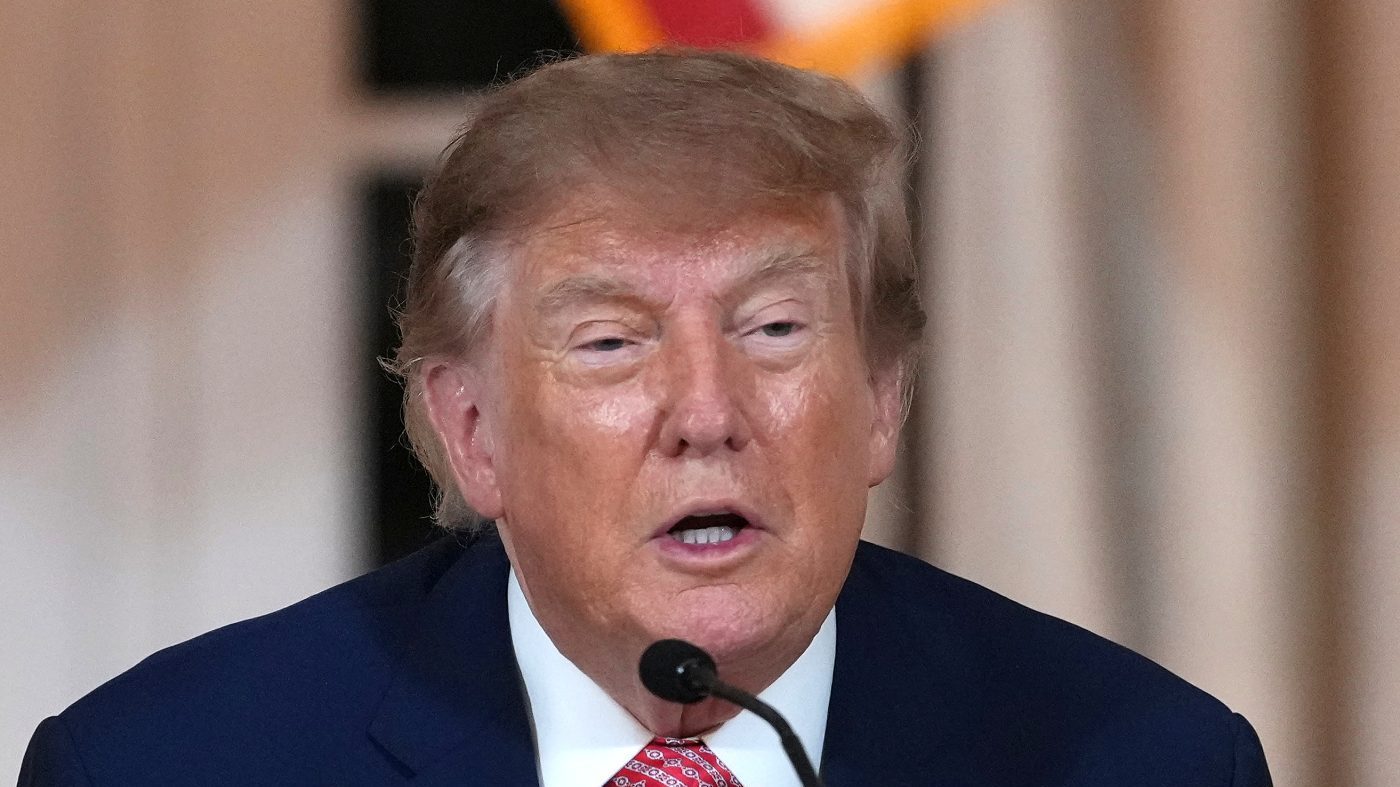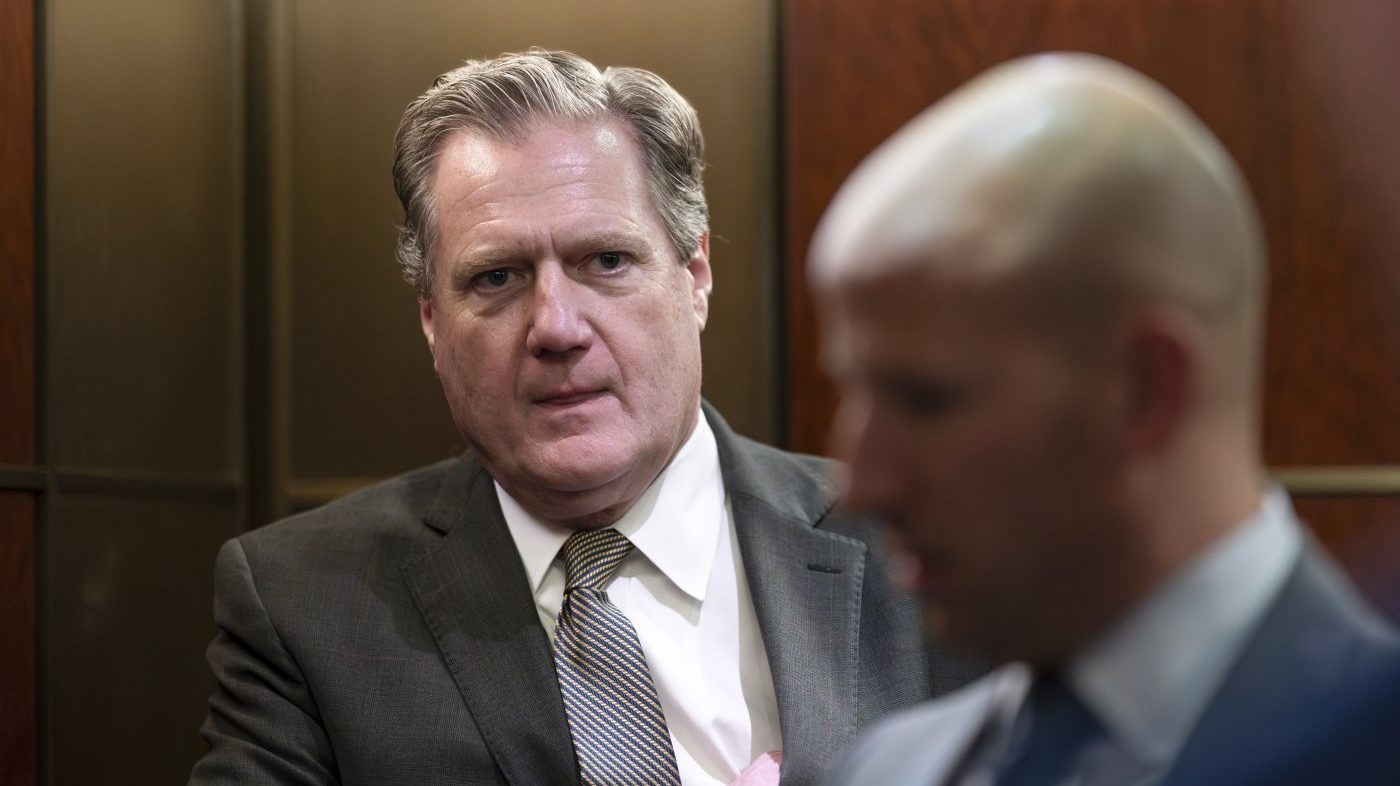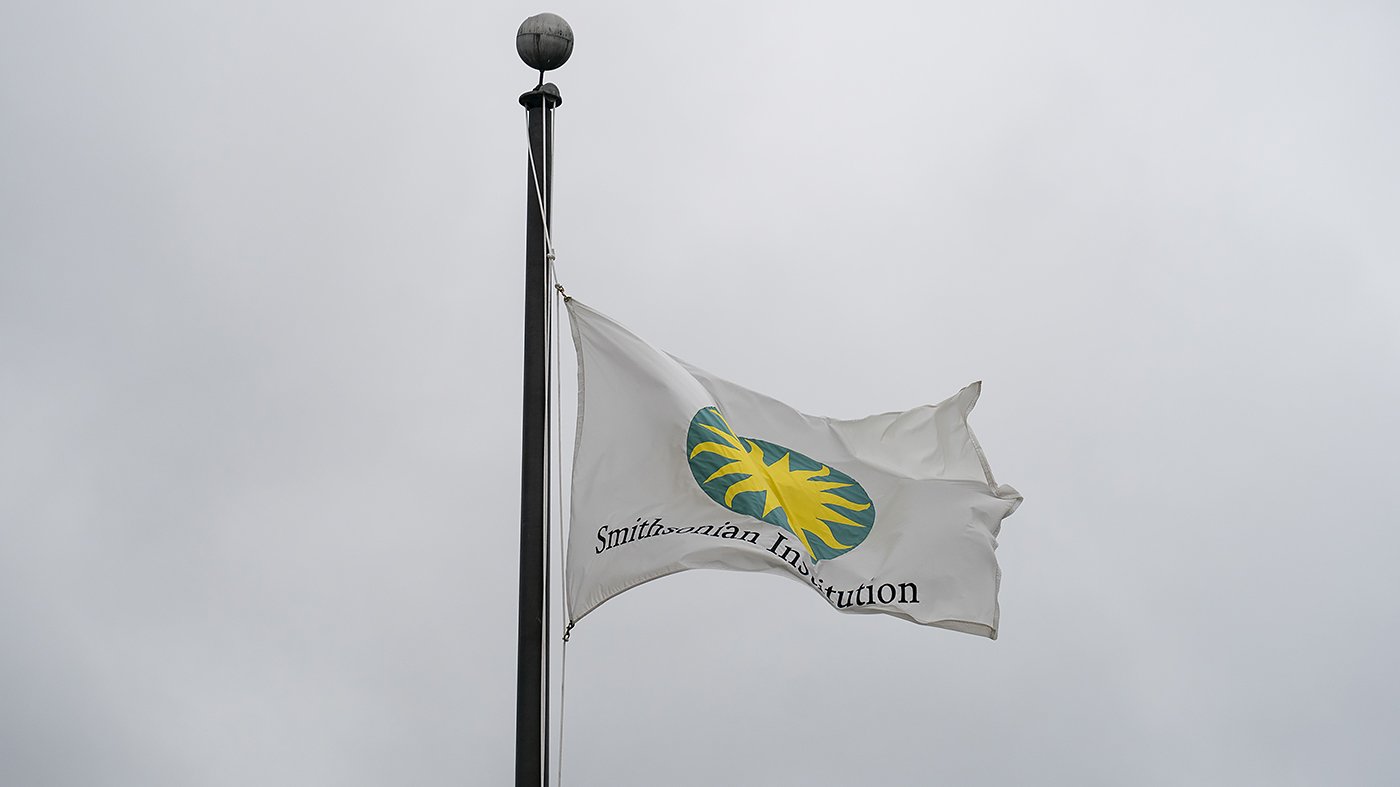
The House of Representatives on Thursday failed to pass legislation that would have authorized the Smithsonian American Women’s History Museum on the National Mall, after Democrats withdrew support over a transgender ban and a provision giving the president expanded authority over the museum’s location and operations.
The bill, which failed by a vote of 204-216, saw all Democrats and six Republicans in opposition. Originally crafted with bipartisan support, the measure was amended to include language barring the museum from depicting any “biological male as a female” and allowing the president to designate an alternative site for the museum within 180 days of enactment. The legislation had designated the South Monument site on the National Mall as the museum’s planned location.

Democrats Slam Transgender Ban and Presidential Override
The Democratic Women’s Caucus issued a sharp statement condemning the amended bill, arguing that it “would take away the museum’s independence and give Trump and his political allies the power to make key decisions on the museum—the same loyalists pushing forward a ballroom while Americans struggle.”
More than 140 Democrats sent a letter to Speaker Mike Johnson (R-La.) last month, urging him to restore the original bipartisan version. The letter warned that the transgender provision “invites arbitrary enforcement and could be used to challenge the inclusion of any woman or girl a politician deems not ‘feminine’ enough. This is just another example of Republicans needlessly adding an anti-transgender provision to an unrelated bill that would impact not just transgender women and girls but all women and girls.”
This legislative clash echoes broader partisan battles over cultural institutions. For instance, tech-driven distortion undermines democratic trust, as former officials warn that politicizing institutions erodes public confidence.
Speaker Johnson Defends the Amendment
Speaker Johnson pushed back against Democratic criticism during a Wednesday press briefing, arguing that “the party that purports to support women demanding that the museum include biological men. Democrats may be okay ceding control of their party to the most radical far left people in the country, but Republicans are not going to be any party to that.”
The bill’s failure marks a setback for the long-running effort to establish a women’s history museum on the National Mall, a project that had previously enjoyed broad bipartisan support. The original legislation was seen as a unifying initiative to honor women’s contributions to American history, but the addition of contentious social policy language derailed that consensus.
The dispute also highlights ongoing tensions over the Smithsonian’s role as a neutral cultural arbiter. In a related political development, Trump’s backing of Paxton in Texas Senate runoff sparks Democratic optimism, as the former president’s influence continues to reshape Republican primaries.
What Happens Next?
With the bill’s defeat, the future of the Smithsonian American Women’s History Museum remains uncertain. Supporters will need to regroup and decide whether to reintroduce a clean version of the legislation or attempt to negotiate a compromise. The vote also underscores the growing difficulty of passing even traditionally noncontroversial cultural measures in a hyperpartisan environment.
Meanwhile, other political battles are intensifying. Georgia Supreme Court races draw national Democratic firepower as the party targets the conservative majority, signaling that state-level judicial contests are becoming a new front in the national political war.
The failed women’s museum bill is the latest example of how cultural policy has become a flashpoint in Congress, with both parties using museum authorizations and other symbolic measures to score political points ahead of the next election cycle.