Former Sen. Ben Sasse (R-Neb.) recently leveled a familiar critique: Congress is failing to tackle big questions. But his deeper warning cuts to the core of modern democracy—the digital revolution is accelerating not just communication, but distortion itself, eroding the shared reality that makes political debate possible.
At the Unite America Invest in Democracy Summit, one attendee captured the shifting landscape: “I didn’t change sides, it just turned out the sides aren’t the sides anymore.” This reflects a growing realization that traditional left-right divides are being overtaken by a more fundamental split—between those who compete within democratic norms and those willing to exploit their collapse.
The danger is no longer hypothetical. In New Hampshire, anonymous actors used AI-generated deepfakes to fabricate violence and manipulate imagery targeting congressional candidate Stefany Shaheen. A complaint filed with the state attorney general remains pending. This isn’t traditional opposition research; it’s the deliberate manufacturing of events that never happened, designed to influence an election.
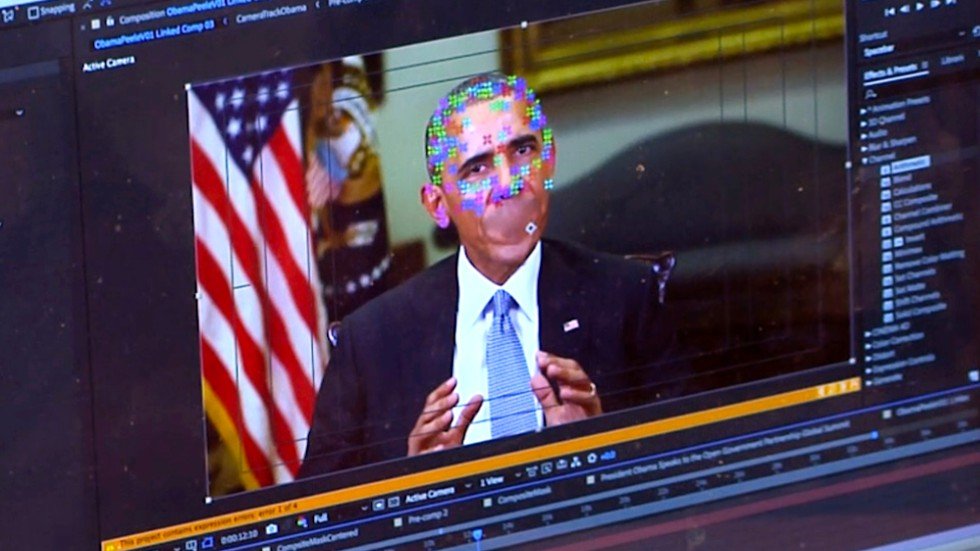
Campaign tools are evolving at breakneck speed. Strategies now include generating hyper-realistic video and audio on demand, deploying targeted messaging within hours, and shaping narratives across platforms in real time. Some firms can test hundreds of message variations and produce ads with unprecedented precision. As Sasse noted, this is acceleration embedded in the mechanics of persuasion.
None of this innovation is inherently problematic—campaigns have always sought better ways to reach voters. The danger lies in making fabrication scalable, believable, and instantaneous. Every campaign now faces a dilemma: if one side uses synthetic media, pressure mounts on the other to respond in kind. Even defensive strategies require rapid countermeasures, creating a race no one chooses but everyone feels compelled to join.
This dynamic erodes norms not because they are rejected outright, but because upholding them unilaterally becomes impractical. Congress has a democratic responsibility to safeguard principles from this corrosive influence. The ability of voters to trust what they see and hear is not a partisan issue—it’s a prerequisite for any functioning democracy.
Democracy depends on its own infrastructure: a shared understanding of reality, baseline trust, and confidence that opponents operate in the same world. When fabricated images become indistinguishable from reality, that foundation erodes. Debate loses meaning, accountability weakens, and elections become vulnerable to manipulation at unprecedented scale.
The challenge of AI in politics isn’t just changing campaigns—it’s whether the system can establish boundaries before those changes undermine democratic competition. That requires more than technical fixes. It demands a collective decision across parties that certain tactics are off-limits, transparency in political communication, and accountability for those influencing elections.
As former White House officials have urged, the political class must unite against rising threats to democratic norms. The risk isn’t just that Congress avoids big questions—it’s that soon there may be no shared ground to debate them on.