The United States has been locked in direct hostilities with Iran for weeks. Even if this phase subsides, the broader strategic reality is unchanged: the risk of a large-scale war is rising, not receding.
Washington has focused heavily on how it would fight such a conflict. Far less attention has gone to what happens when the first wave of casualties arrives. That is a dangerous oversight, argues Dr. Michael Robert Davis, a retired Air Force colonel and surgeon who served in Afghanistan.

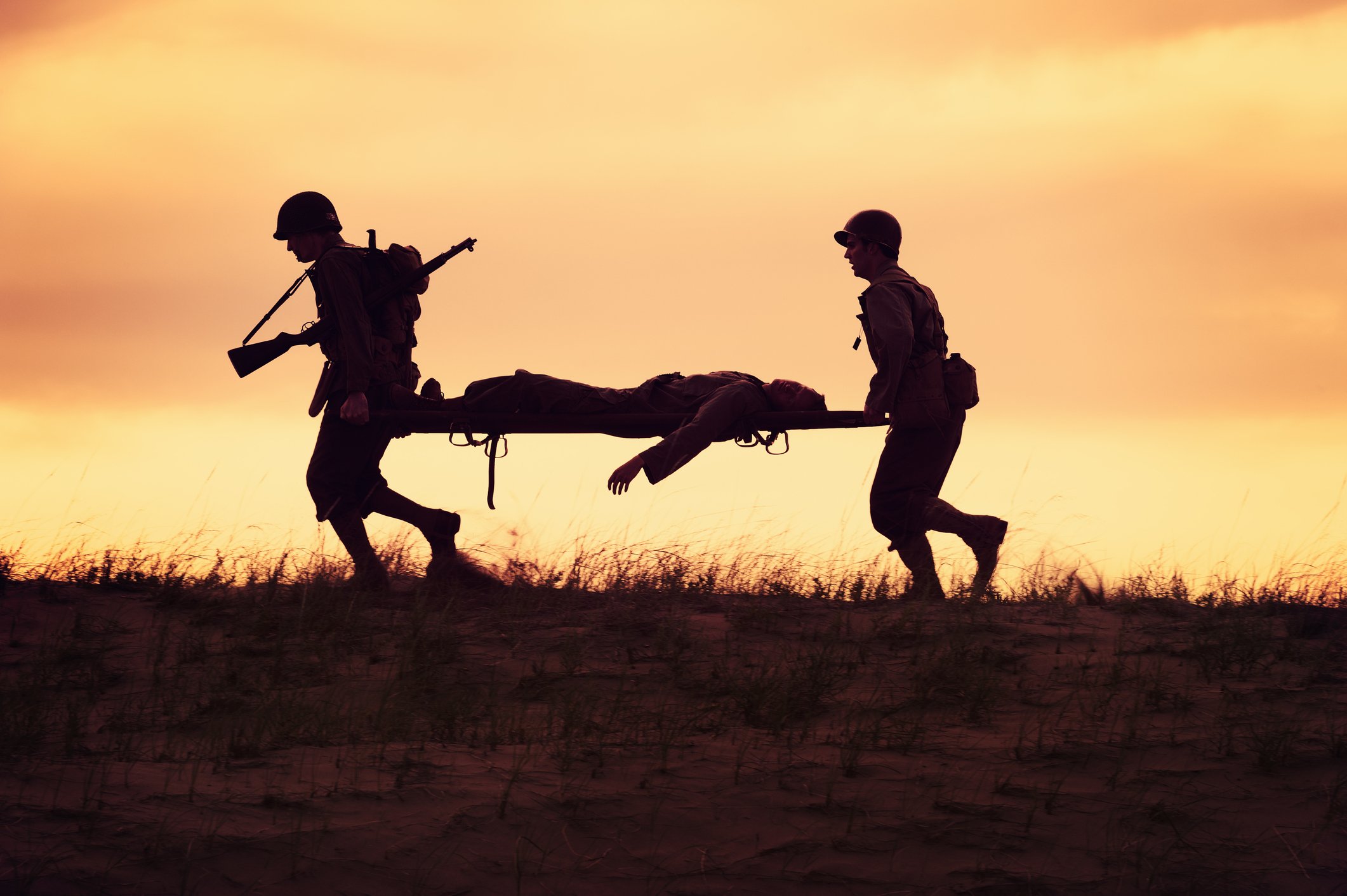
Davis treated some of the most severe battlefield injuries imaginable. He also witnessed what happens when systems begin to fracture—when evacuation slows, communication breaks down, and capacity is exceeded. In those moments, survival depends not just on skill but on whether the system itself is prepared.
A Different Kind of Conflict
Over two decades of war, the U.S. made remarkable advances in combat casualty care. Survival rates improved. Innovation accelerated. Lives were saved. But those gains were built for a different kind of conflict. The war in Ukraine offers a more relevant preview. Evacuation is often delayed or denied. Air superiority is contested. Casualties accumulate faster than systems can absorb. Care is delivered through a strained, distributed network under constant pressure. Prolonged field care is the norm, not the exception.
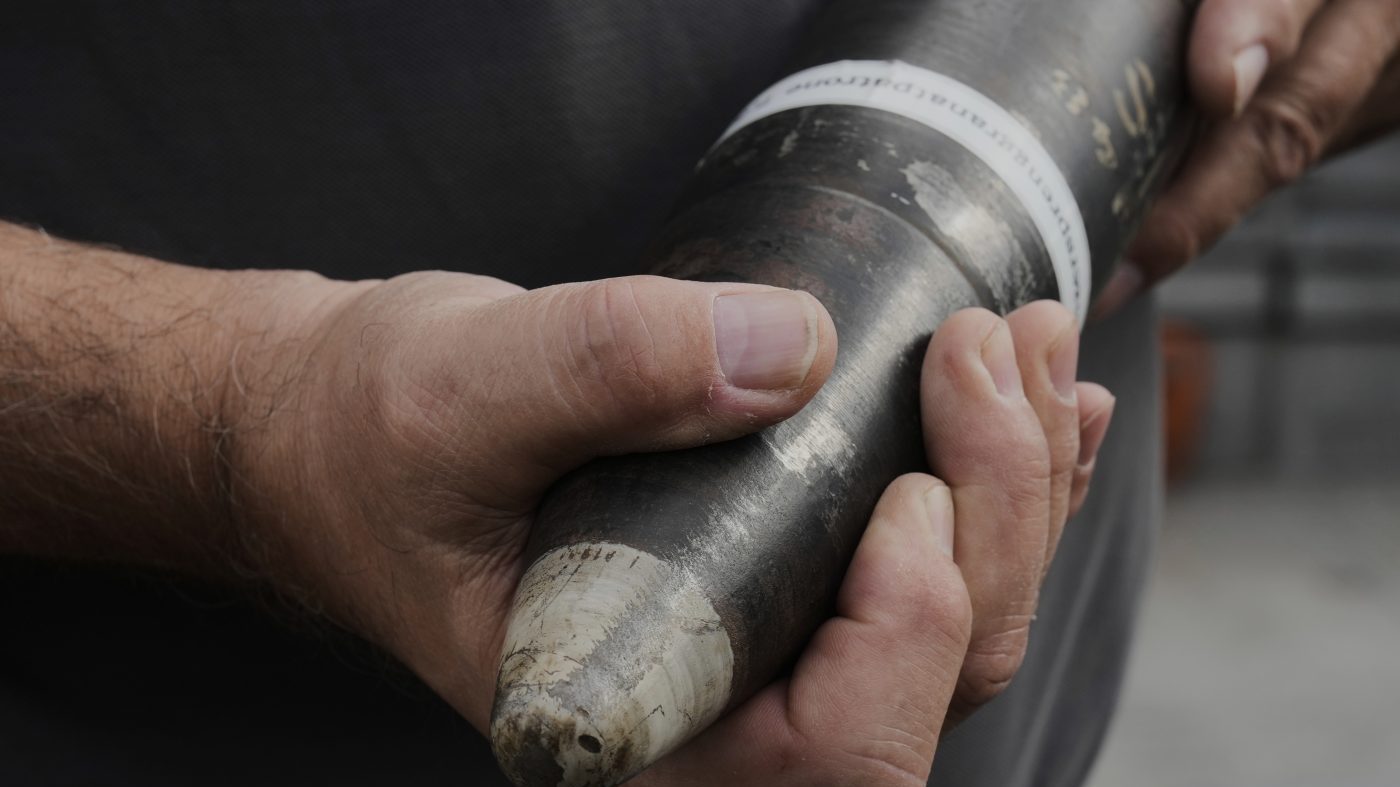
Future U.S. conflicts will look far more like Ukraine than Iraq or Afghanistan, and likely at a larger scale. They will be faster-paced, more dispersed, and more lethal. Evacuation timelines will stretch. Forward surgical teams will operate in contested environments. Military hospitals will reach capacity early. The nature of injury is also changing. Drones, precision munitions, and advanced weapons produce complex, multisystem trauma at scale—blast, burn, and tissue destruction occurring simultaneously. This is not isolated injury but large-scale polytrauma.
The Strain on Medical Systems
Military modeling suggests casualty and fatality rates could approach 50 percent in the early phases of large-scale combat when evacuation is delayed and systems are overwhelmed. As many as one in four trauma deaths may be preventable with coordinated systems and timely surgical care. That gap is where lives are lost or saved.
The U.S. will not close it with military medicine alone. Nearly all trauma care in this country occurs in civilian hospitals. The Military Health System operates about 50 hospitals worldwide, with only one Level I trauma center. In a large-scale conflict, civilian healthcare will not be a backup plan—it will be the main effort. Right now, it is not organized, resourced, or integrated to function that way. Nearly a decade after the National Academies called for a unified national trauma system, most recommendations remain unfulfilled. This is not a knowledge problem but an execution problem.
What Is Needed Now
Davis argues for a whole-of-nation approach to medical readiness. That means integrating military and civilian trauma systems into a single operational framework. It means modernizing medical logistics and patient movement so casualties can be treated and transported at scale under contested conditions. It means investing in surge capacity, workforce readiness, and forward-deployable capabilities before they are needed. A recent report highlighted how overdose deaths have dropped nationwide, but the strain on trauma systems remains acute. Above all, it requires a shift in mindset. In the military, we do not wait for contact to prepare for combat. We war-game, resource, and rehearse. We hold leaders accountable for readiness. Medical capability must be treated the same way—as a core warfighting function, not just a supporting activity.
Congress and the administration should act accordingly. The next National Defense Authorization Act should explicitly prioritize integrated trauma readiness as a national security requirement. Federal agencies should align under a unified medical strategy. Investments in trauma systems, patient movement, and distributed care should be funded and executed with the same discipline applied to weapons systems. As the DOJ threatens to sue states over undercover plates, the need for coordinated federal action is clear.
We are asking U.S. service members to operate in environments where evacuation may not come, where care will be delayed, and where survival will depend on the system we build before the conflict begins. Right now, that system is not ready. The lesson from Ukraine is clear: once large-scale combat begins, there is no time to build it. We can act now—deliberately and at scale—or we can accept preventable loss on a level this country has not seen in generations. The choice is ours. The timeline is not.