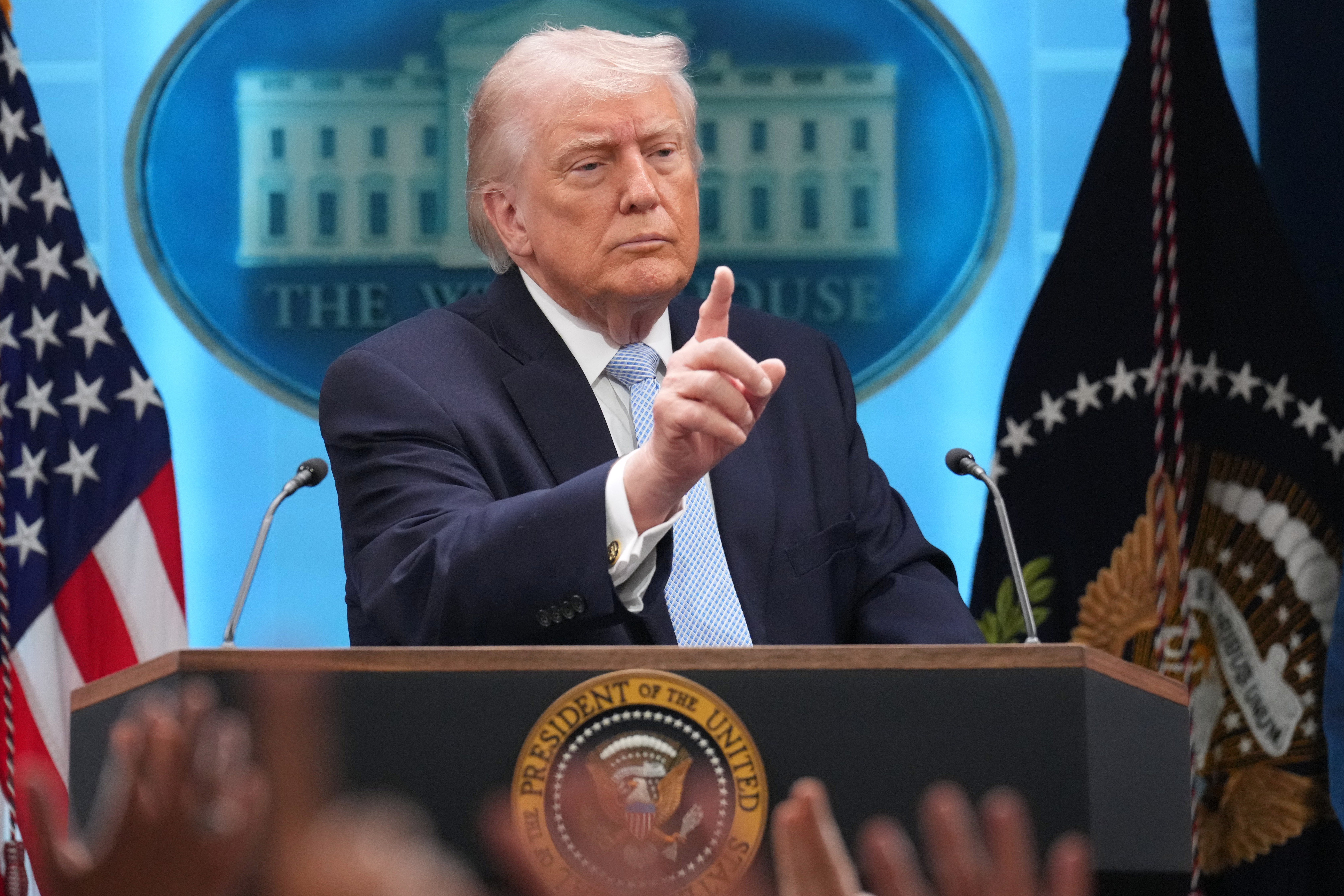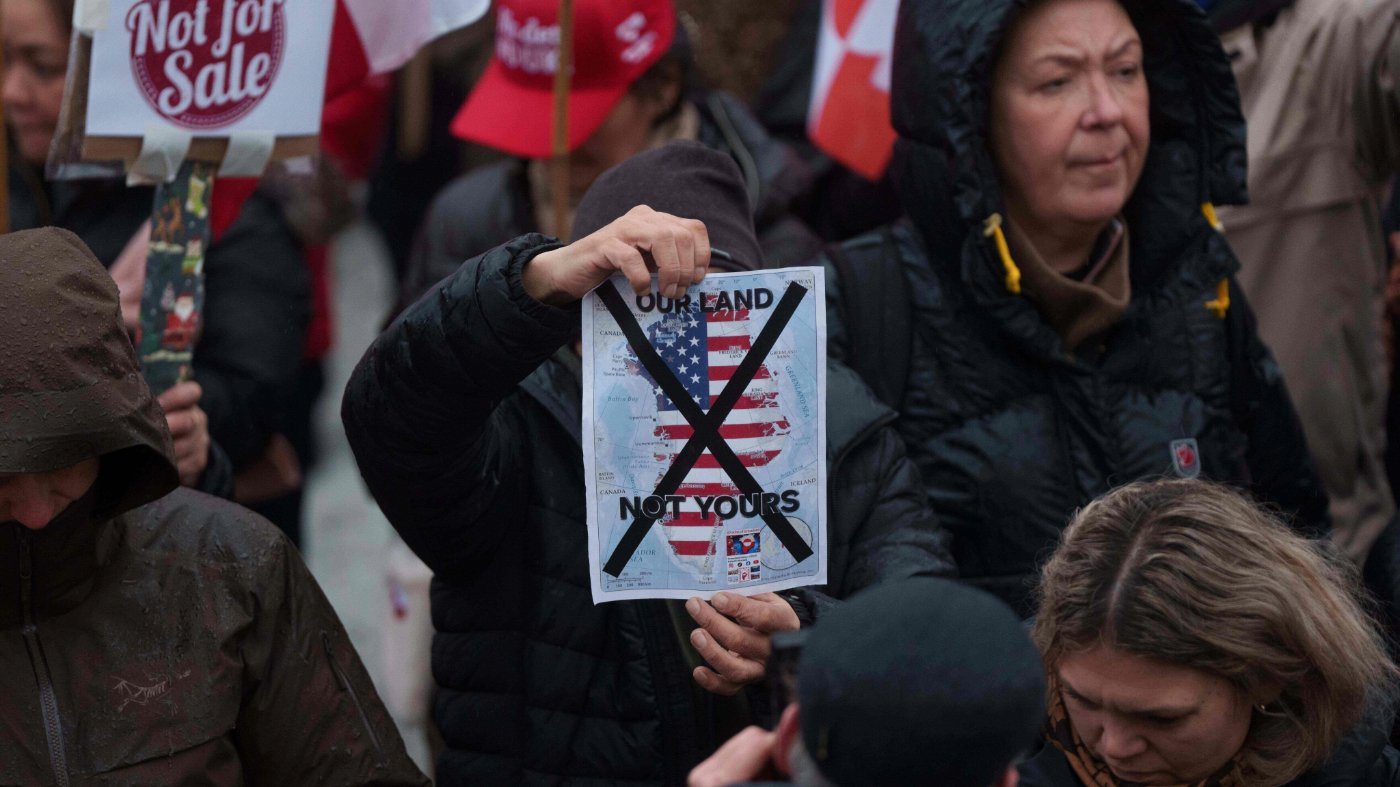
President Trump has repeatedly floated the idea of adding new territory to the United States, from buying Greenland and reclaiming the Panama Canal Zone to absorbing Canada and even suggesting Venezuela could become the 51st state. These remarks are often dismissed as trolling or political theater, but they signal something deeper: Trump is the only modern American president to openly embrace territorial expansion—at a time when the international system makes such ambitions nearly impossible to realize.
For much of U.S. history, expansion wasn't fringe; it was core policy. Thomas Jefferson doubled the nation's size with the Louisiana Purchase. James Polk annexed Texas, secured Oregon, and took California from Mexico in a single term. William McKinley added Hawaii, Puerto Rico, Guam, the Philippines, and American Samoa. The country's borders were never seen as fixed, and land acquisition was how America operated.
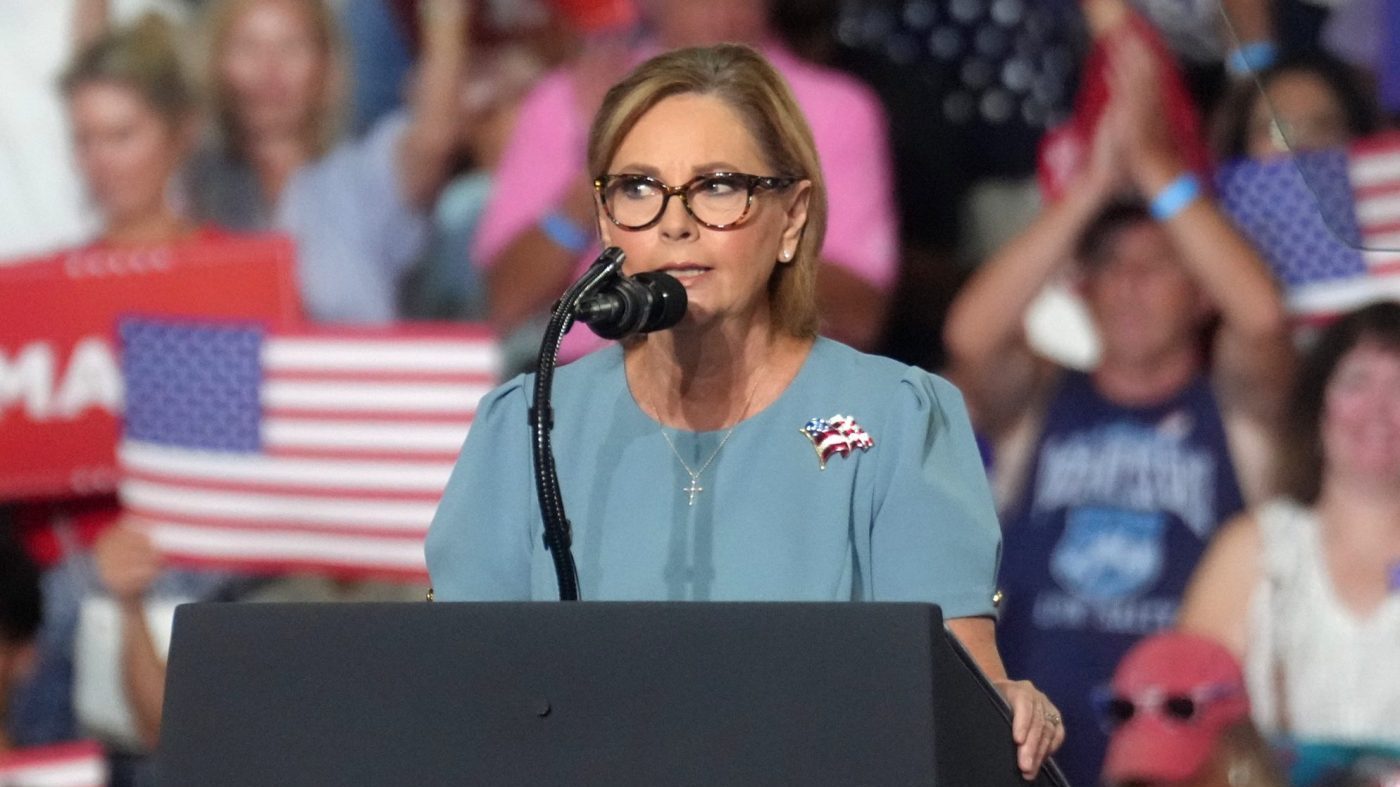
Trump's rhetoric taps into that older tradition. Unlike recent presidents who have wielded influence through trade, alliances, and soft power, Trump still thinks in terms of real estate. His background in property development may explain why he measures power by square miles rather than diplomatic leverage. But the world that enabled 19th-century expansion no longer exists.
Today, the United States already projects power globally without annexation. Military bases, intelligence partnerships, trade deals, and cultural influence extend Washington's reach far beyond its borders. In Greenland alone, the U.S. maintains a strategic military presence and extensive mining and scientific cooperation. Modern superpowers don't need direct territorial control to secure resources or trade routes.
The political costs of annexation have also skyrocketed. After World War II, international norms hardened against conquest. Russia's invasion of Ukraine has shown how difficult annexation is even for a major military power, triggering sanctions and diplomatic isolation. Domestically, any annexation would ignite explosive fights over citizenship, voting rights, congressional representation, and national identity. Americans still can't agree on Puerto Rico's status after more than a century. Adding Canada or Venezuela would dwarf those disputes, raising questions like whether Canadians would get Senate representation—and if so, two senators for the whole country or two per province.
Even in the 19th century, domestic politics constrained expansion, especially the debate over slavery before the Civil War. But back then, newly acquired territories often had limited political representation, reducing internal conflicts. Today's democratized system would amplify every challenge.
Yet Trump's expansionist talk still resonates with some voters because territorial growth remains a potent symbol of national strength. For generations, Americans associated bigger maps with confidence and greatness. Trump's language taps into that nostalgia, even as the modern world has moved on.
In the end, Trump's expansionism is less a serious policy agenda than an echo of an earlier America—one that believed greatness could be measured by land. The world has changed, but his vision hasn't.
For more on how Trump's tactics play out in other arenas, see our coverage of lawmakers demanding answers on his $1.78B fund and the delays and empty threats in his Iran strategy.