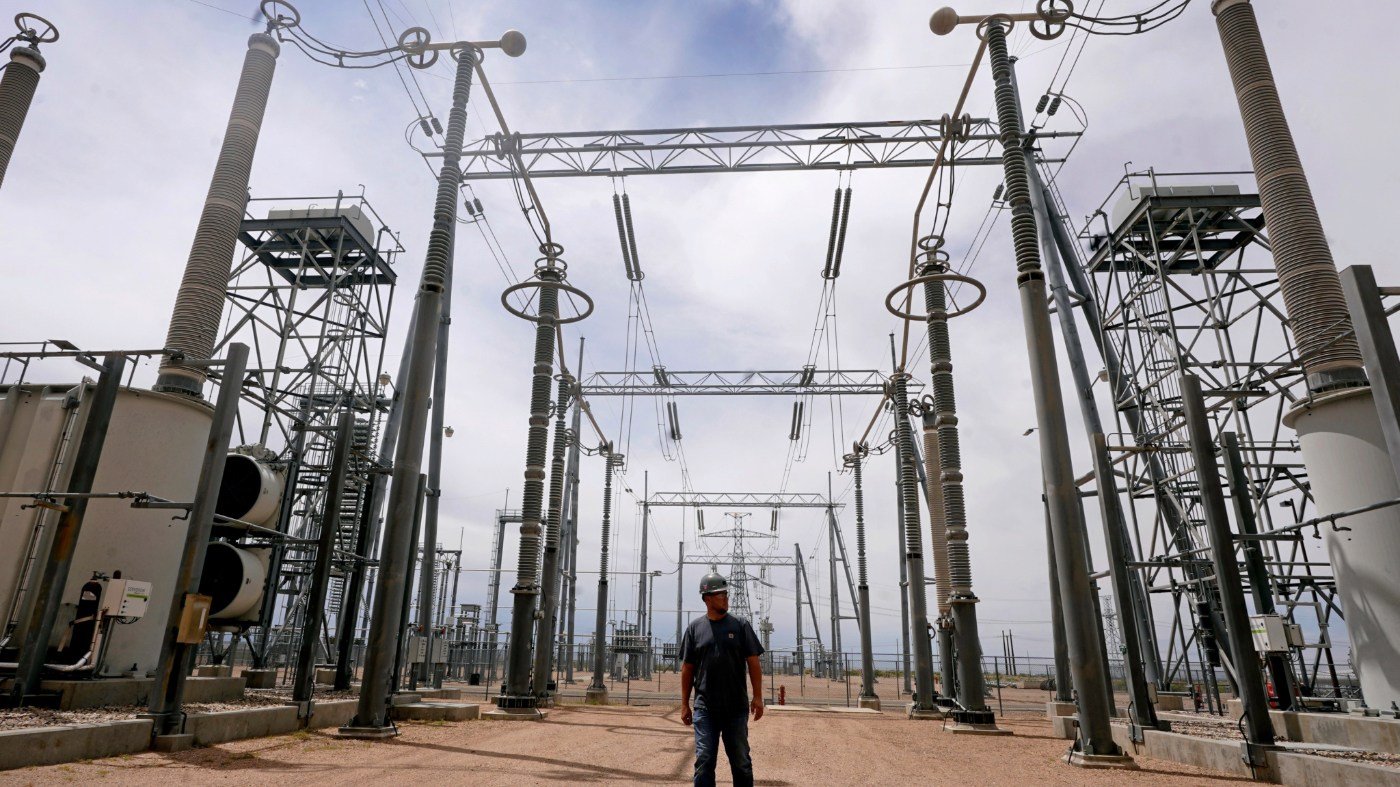
Americans are feeling the pinch of the Iran war at the pump, with gas prices topping $4.50 a gallon and utility bills climbing. But the financial fallout extends far beyond family budgets, hitting public schools hard. New research from Brown University shows consumers have already paid $20 billion more in energy costs since the conflict began, on top of a $200 billion military funding request. Yet the hidden victims may be the 50 million students in K-12 schools, where rising fuel and electricity costs are forcing cuts to teachers, programs, and even field trips.
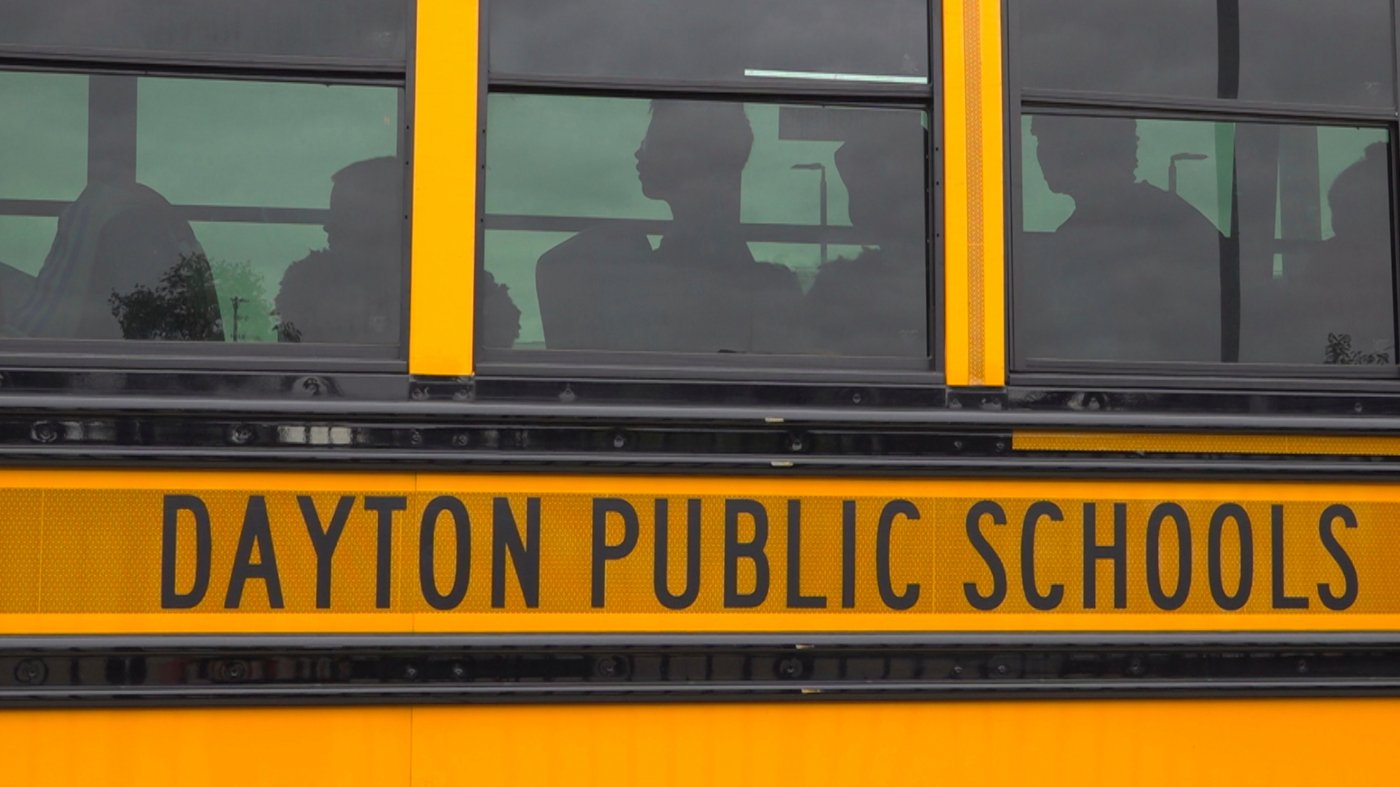
According to the U.S. Department of Energy, schools spend over $8 billion annually on energy, making it their second-largest expense after teacher salaries. From bus fleets to HVAC systems, school districts operate like small energy-intensive businesses. But unlike households, they can't simply cut back when budgets tighten. Buses must run, buildings must be heated, and lights must stay on.
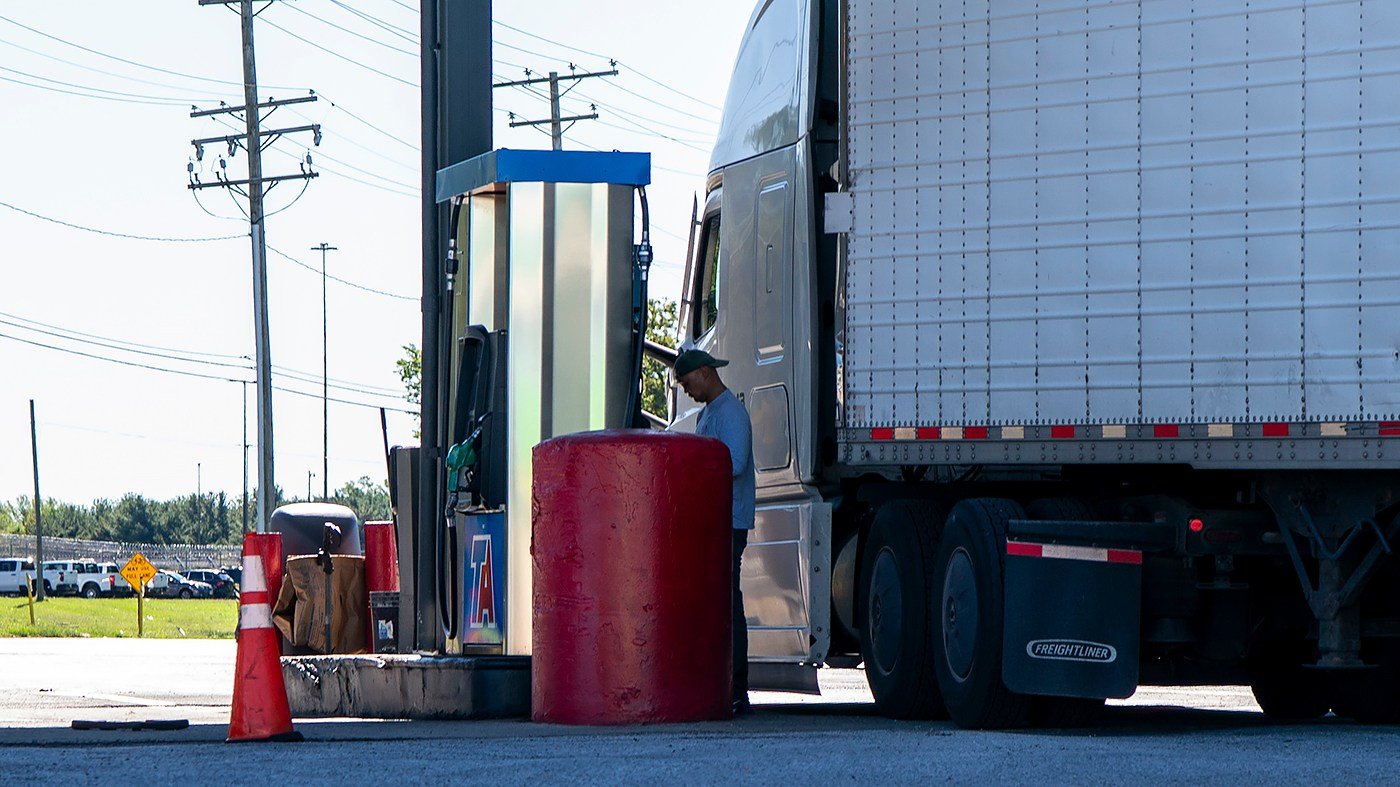
Many districts lock in fuel and electricity prices through annual contracts, so the full impact is only now becoming clear as officials finalize budgets for the upcoming year. In Salem, Oregon, the school district is spending roughly $30,000 a week on bus fuel—$6,400 more per order than in February. Ohio's largest district, Columbus, faces utility rate hikes that will add $2 million annually, on top of $50 million in cuts already made. In Raleigh, North Carolina, leaders warn they may need to cut special education to cover diesel costs. Burlington, Vermont, is delaying bus repairs and maintenance.
Across Wisconsin, over 400 districts have appealed directly to voters for funding relief. In New York, one assistant superintendent called the math 'staggering' after her district's cost per kilowatt hour quadrupled from 6 cents to 23 cents in six months. Most districts operate on thin margins and lack emergency reserves to absorb such spikes, especially as many states cut education funding. The result: cities and towns face a choice between cutting services or raising taxes—or both. In Concord, New Hampshire, a 12% property tax increase was needed just to keep funding flat, and the district still eliminated 40 jobs.
Families are effectively paying for the war's energy costs twice: first through higher bills at home, and second through higher property taxes to fund schools. This double squeeze reflects broader cost-of-living challenges, with large corporations driving up prices while the government fails to protect working families. While utility costs were already rising before the war, Trump's policies have worsened the crisis by accelerating the AI data center boom, hindering schools' transition to clean energy, and dismantling programs that help low-income families avoid energy debt.
Policymakers have options. The Department of Education could provide emergency energy assistance to hard-hit districts, similar to natural disaster response. The Department of Energy could publish a real-time tracker of district-level energy costs, rather than relying on delayed Census surveys. States could follow Pennsylvania and New England by creating bulk purchasing consortia to give districts more negotiating power with utility monopolies.
Ultimately, addressing rising energy costs requires ending the war and a federal government committed to lowering costs across the board—from utility bills to housing, healthcare, childcare, and education. Trump promised to be that leader, but instead has unleashed an affordability crisis that defunds schools while enriching energy companies and defense contractors. America's students didn't start this war, and they shouldn't pay for it with their education.
For more on the political landscape, see how Trump's primary dominance masks GOP midterm weakness as approval slips and the GOP revolt over Trump's $1.8B compensation fund derails immigration bill.