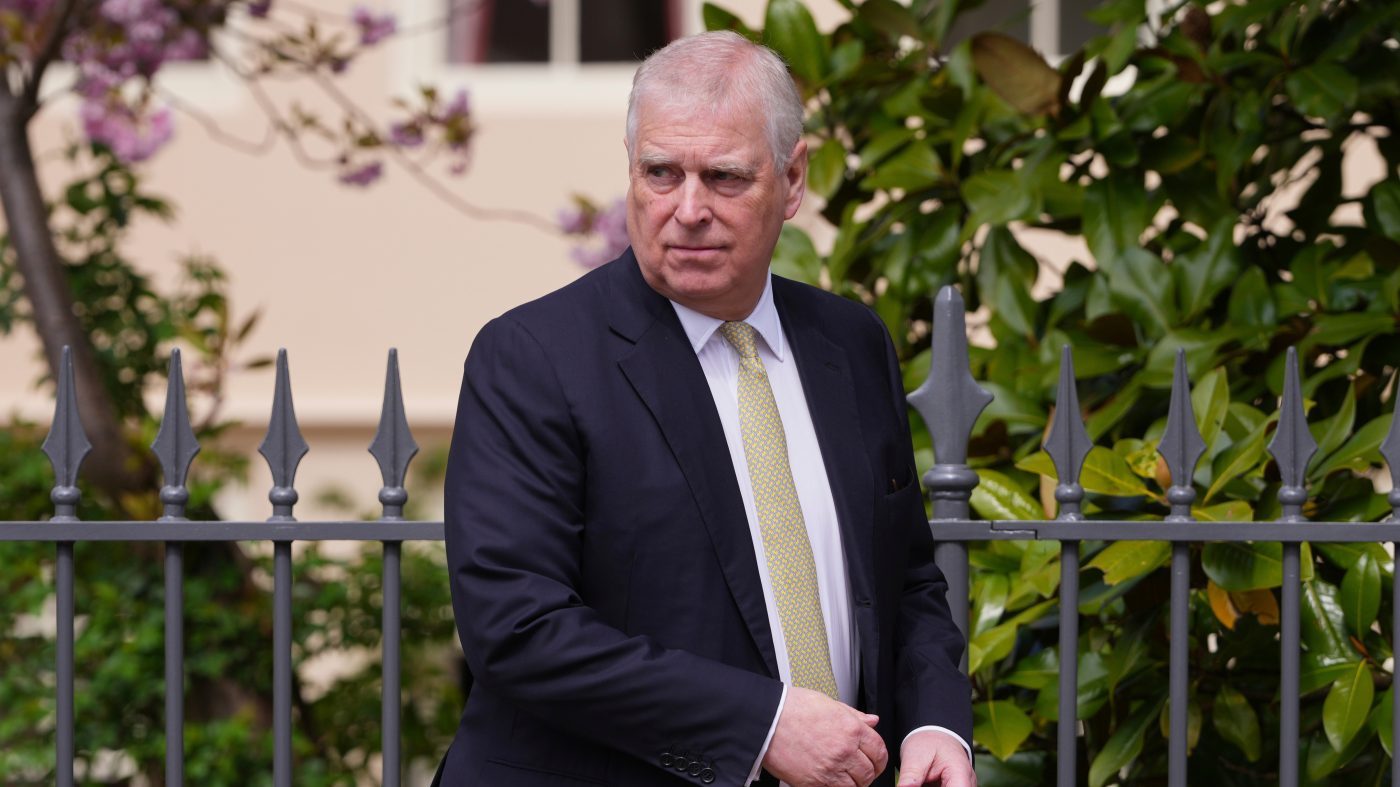
British authorities are expanding their investigation into Andrew Mountbatten-Windsor, formerly known as Prince Andrew, with detectives now examining a broader range of potential offenses beyond the alleged leaking of trade reports. Thames Valley Police issued a public appeal for witnesses Friday, emphasizing that their probe into misconduct in public office encompasses sexual misconduct and other serious violations.
The force, which covers the area west of London where Mountbatten-Windsor resided for years, updated reporters on the case that has already led to his arrest on February 19. He was detained for hours of questioning, a remarkable step in a nation where the monarchy was once shielded from legal scrutiny. Mountbatten-Windsor has consistently denied any wrongdoing.
Initially, police stated they were “assessing” claims that Mountbatten-Windsor shared trade reports with Epstein in 2010, when he served as Britain’s special envoy for international trade. Those allegations emerged from correspondence made public through the U.S. Justice Department’s release of millions of documents from its Epstein investigation. However, Assistant Chief Constable Oliver Wright clarified that the inquiry is not limited to those leaks. “Misconduct in public office is a crime that can take different forms, making this a complex investigation,” Wright said. “Our team of very experienced detectives are working meticulously through a significant amount of information that has come in from the public and other sources.”
The legal definition of misconduct in public office is broad, covering sharing confidential financial data, financial impropriety, willful neglect of duty, sexual misconduct, corruption, conflict of interest, perverting justice, dishonesty, and fraud. Police are now examining “a number of aspects of alleged misconduct” following the release of the U.S. documents and are coordinating with the Justice Department for additional evidence.
In a related development, Thames Valley Police reiterated their call for a woman who, according to Florida attorney Brad Edwards, was sent by Epstein to England in 2010 for a sexual encounter with Mountbatten-Windsor at his Windsor home. “Should she wish to report this to police, it will be taken seriously and handled with care, sensitivity and respect for her privacy,” police stated. Edwards told the BBC in January that his client was directed by Epstein to travel to the UK for that purpose.
The scandal has reverberated through the upper echelons of British society, raising questions about the privilege and impunity enjoyed by aristocrats, senior politicians, and influential business figures. King Charles III stripped his younger brother of his royal titles late last year in an effort to distance the monarchy from the Epstein affair, which exposed how the financier used a network of wealthy and powerful friends to sexually exploit young women and girls.
Nine UK police forces have now confirmed they are investigating potential Epstein-related offenses. The fallout has already claimed high-profile casualties: former UK ambassador to the U.S. Peter Mandelson was dismissed last year after documents revealed a deeper and longer relationship with Epstein than he had previously acknowledged.
For more on the palace’s handling of the crisis, see our report on internal briefs showing preparations for Andrew’s trade role amid the scandal. Meanwhile, the broader implications for elite accountability continue to unfold.