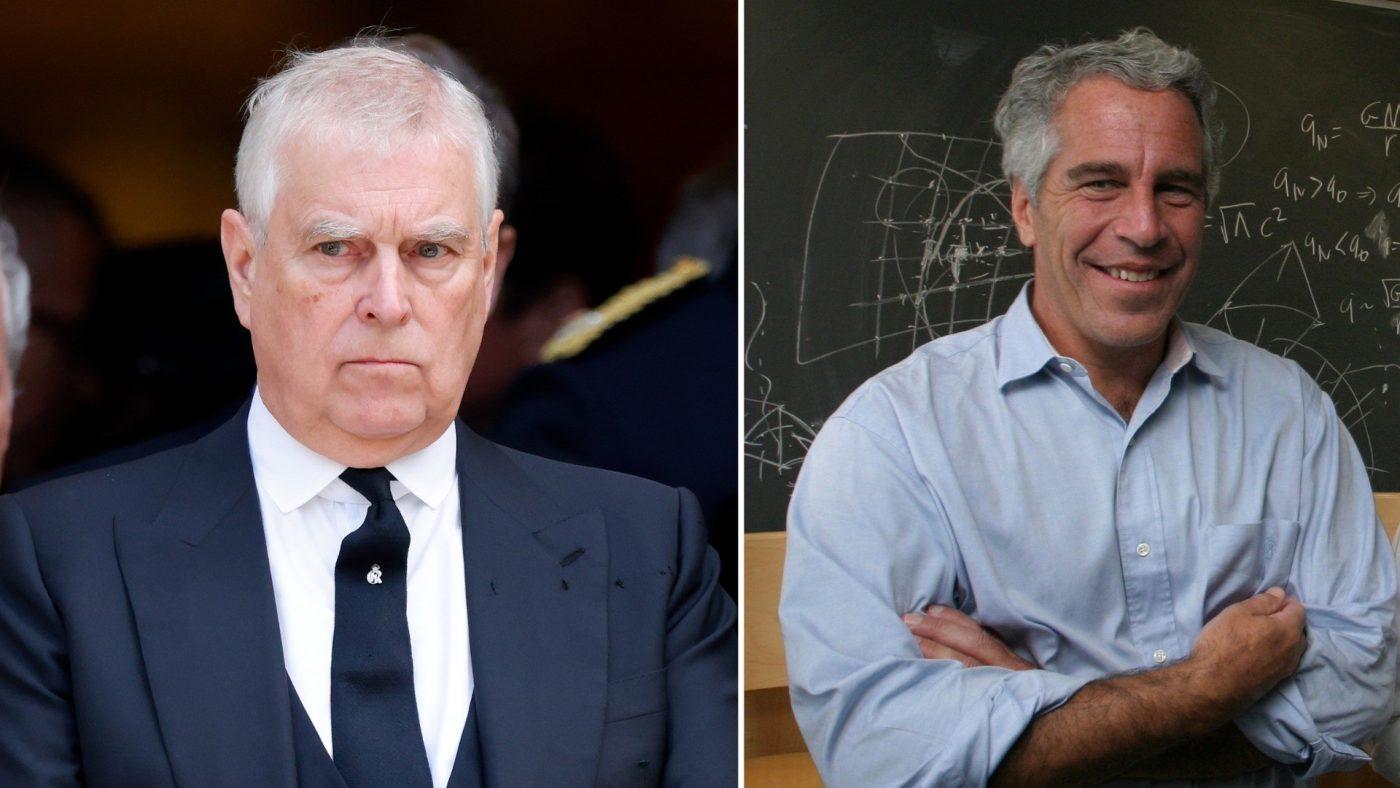
Confidential British government documents released Thursday reveal that Prince Andrew was coached on how to answer questions about his lack of qualifications for the UK trade envoy role, following the public disclosure of his ties to convicted sex offender Jeffrey Epstein.
One document, titled “Brief for Duke of York interview with the Times” from March 2002, included suggested responses for press inquiries about his business inexperience. The briefing advised Andrew to say he had “no hesitation in taking up the role” but was “keen to ensure a full period of induction” given his lack of direct business experience.
The document also recommended he describe the role as “a steep learning curve” while expressing his commitment to “make a difference.” When asked why a more qualified candidate wasn’t chosen, the suggested answer emphasized that the “importance of the Duke of York’s involvement lies in the high profile and commitment he is able to give to this as a member of the royal family.”
The papers were released after lawmakers accused Andrew of prioritizing his friendship with Epstein over British national interests. The former prince, now known as Andrew Mountbatten-Windsor, was stripped of his royal titles last year.
Epstein Files and Ongoing Allegations
The Justice Department’s Epstein files mention Mountbatten-Windsor hundreds of times. He has publicly denied any wrongdoing, but the documents include an email alerting federal prosecutors that he was accused of being an “accessory” in the death of a woman “sold as a slave for sex and torture.” King Charles III has said he would “support” local police inquiries.
A redacted victim statement from 2020 alleges that Mountbatten-Windsor hit a child with his car and then sexually assaulted them when they were between ages 6 and 8. The UK’s Trade Minister Chris Bryant stated in a written response to lawmakers that “we have found no evidence that a formal due diligence or vetting process was undertaken” before Andrew’s appointment.
The documents also show that Queen Elizabeth II was “very keen” on Andrew’s trade envoy role, which he held from 2001 to 2011. In a September 2001 memo, senior official Sir David Wright wrote to then-Foreign Secretary Robin Cook that he “did not envisage that the Duke of York would want to be burdened with the regularity of the meeting of the Board of British Trade International or the burden of paper which goes along with Board membership.”
UK lawmakers approved the release of these documents in February after Mountbatten-Windsor was arrested on charges related to allegations that he shared government reports with Epstein. The scandal has also drawn attention to broader issues of vetting and accountability in trade appointments, as Canada's trade stonewalling threatens the USMCA review amid similar concerns over transparency.
The involvement of the late queen has reinforced perceptions that she held a soft spot for her son, potentially influencing her reluctance to act decisively on the Epstein allegations. The case continues to raise questions about the intersection of royal privilege, diplomatic roles, and national security, especially as lawmakers like Khanna blame primary losses on Epstein probe push.