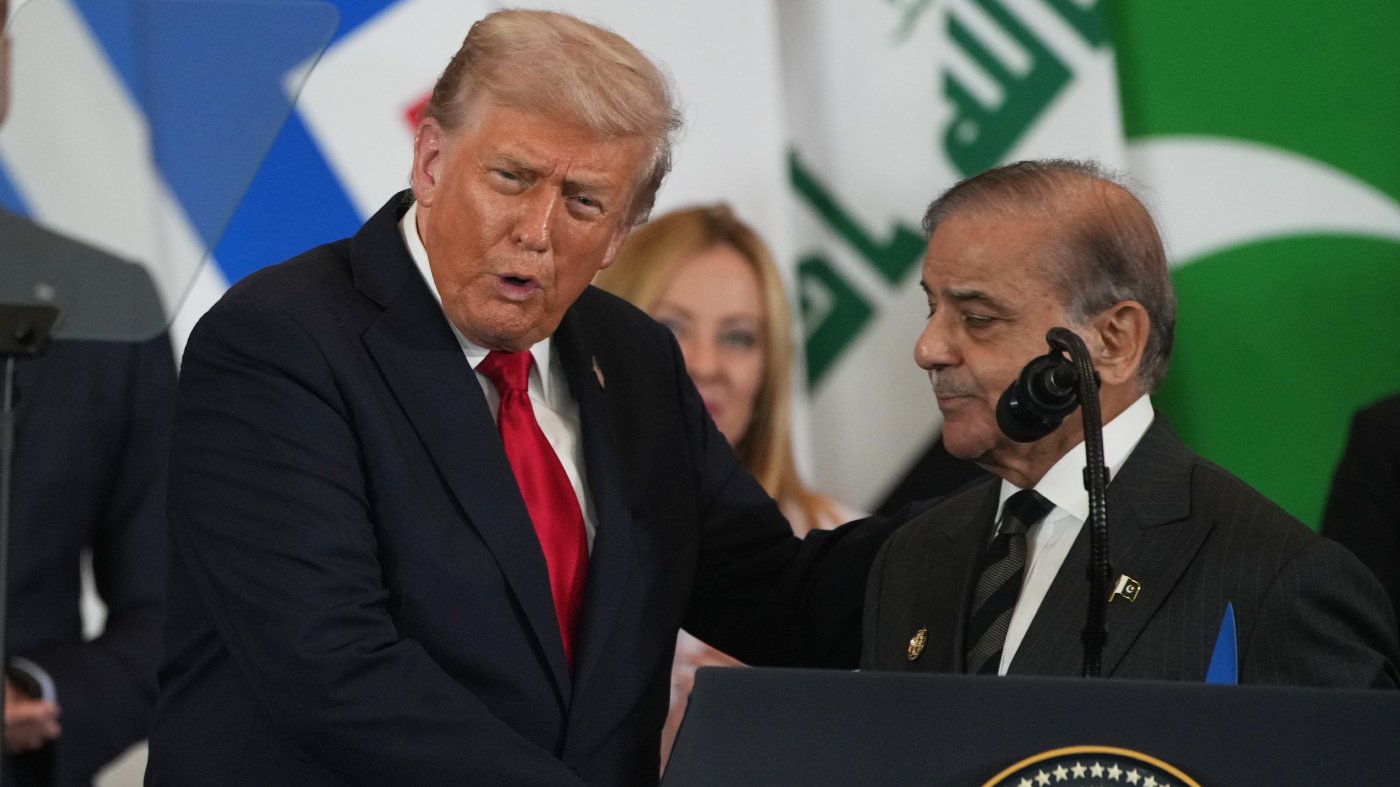
In a direct public appeal, Pakistani Prime Minister Shehbaz Sharif has called on President Donald Trump to grant a two-week extension to his Tuesday evening deadline for Iran, arguing diplomatic channels require more time to prevent a broader regional conflict. The request comes as Trump's ultimatum over the strategic Strait of Hormuz, a critical global oil chokepoint closed since the outbreak of U.S.-Israeli hostilities with Iran, approaches its expiration.
Sharif, posting on social media platform X, stated that diplomatic efforts for a peaceful resolution in the Middle East are advancing. He formally asked the U.S. president to allow diplomacy to run its course, framing the extension as crucial for long-term stability.
Concurrently, the Pakistani leader addressed Tehran, urging Iranian authorities to reciprocate by reopening the Strait of Hormuz for the same two-week period as a gesture of goodwill. This move is seen as an attempt to de-escalate tensions that have threatened global energy supplies and regional security.
The prime minister's intervention follows a stark warning from Trump earlier Tuesday, in which the president declared that a civilization would be lost unless a dramatic breakthrough occurred. Sharif's proposal also includes a call for all combatants to observe a two-week ceasefire to create space for negotiations aimed at a conclusive end to the war.
White House Press Secretary Karoline Leavitt confirmed that Trump is aware of Pakistan's request, stating a response would be forthcoming. The administration has been escalating its rhetoric against Iran regarding the waterway, with the president's latest comments representing some of his most severe threats to date.
This diplomatic push aligns with a recent mediation effort reported by The Associated Press. Officials from Pakistan, Egypt, and Turkey reportedly submitted a proposal to Washington and Tehran that includes a 45-day ceasefire and the reopening of the Strait. However, Iran's position appears resistant to temporary measures. On Tuesday, Tehran's envoy to the United Nations expressed a willingness to engage in genuine talks but rejected the premise of a provisional truce, a stance detailed in our report on Iran's rejection of a temporary ceasefire at the UN.
The high-stakes maneuvering underscores the severe risks of the standoff. Trump's threats have drawn criticism from unexpected quarters, including from within his own political sphere, as noted in coverage of rare rebukes from far-right allies. Furthermore, key advisors like Senator J.D. Vance have reportedly warned the president that a war with Iran could trigger widespread regional chaos and constitute a betrayal of voter expectations, concerns explored in previous reporting on Vance's warnings.
As the deadline loomed, regional states took precautionary measures, with Kuwait imposing a curfew in anticipation of potential fallout. The situation remains fluid, with global markets and allied governments anxiously awaiting the U.S. response to Pakistan's last-minute appeal for restraint and time.