Mixed Signals on Iran Prompt Global Alarm
President Donald Trump's stark warning that Iran faced the potential destruction of its civilization unless a diplomatic breakthrough occurred triggered immediate international backlash and exposed deepening divisions within his own party on Tuesday. The administration sent conflicting signals throughout the day, alternating between threats of overwhelming force and suggestions of an extended negotiation window, leaving allies and markets scrambling to interpret U.S. intentions.
Deadline Diplomacy and Market Volatility
Trump's social media declaration set an 8 p.m. Eastern deadline, stating a "whole civilization will die tonight" barring a "revolutionarily wonderful" development. This followed his repeated threats to send Iran "back to the Stone Age." The ultimatum prompted an urgent request from Pakistan's Prime Minister for an extension, citing ongoing diplomatic efforts. White House Press Secretary Karoline Leavitt confirmed Trump was considering the proposal.
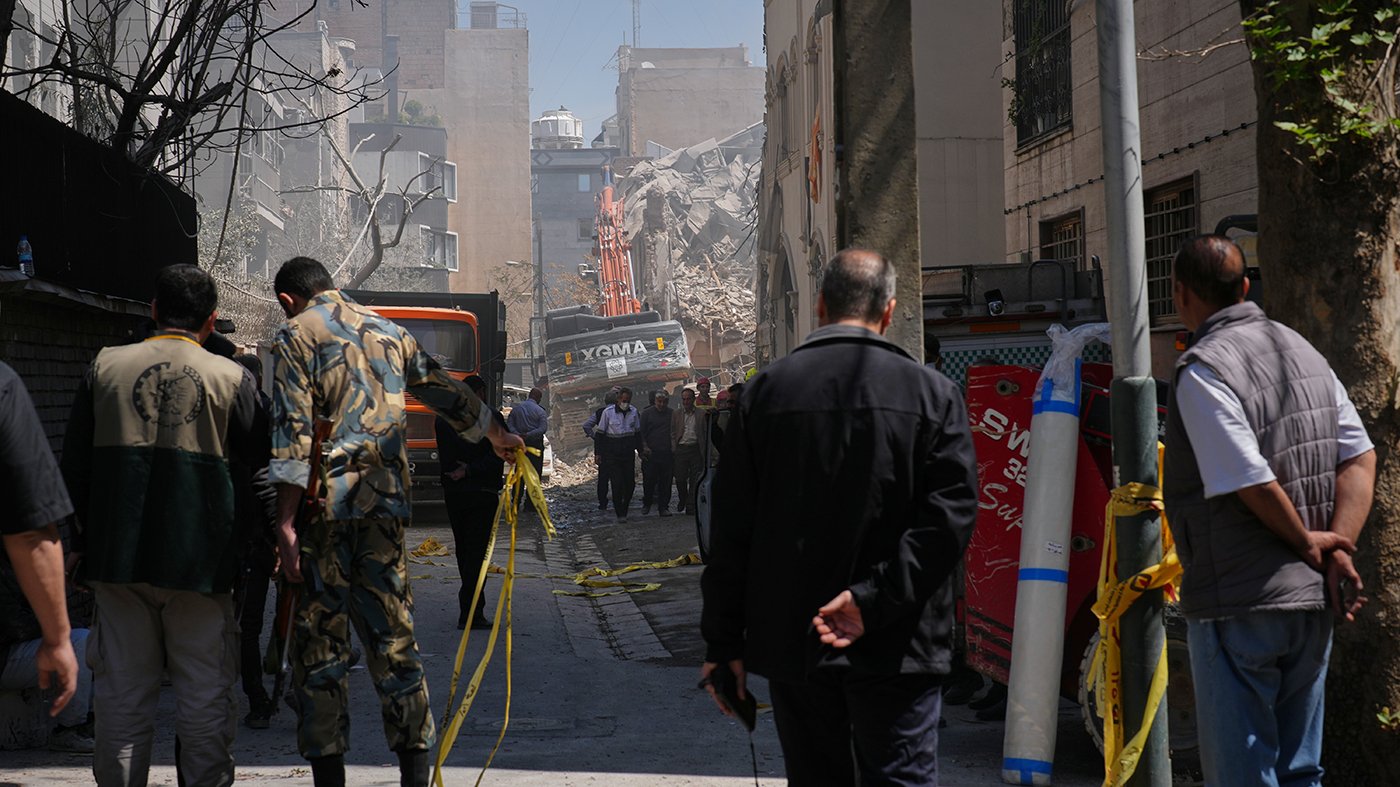
The rhetoric immediately destabilized global energy markets. Brent crude prices rose nearly 1%, while the U.S. benchmark, West Texas Intermediate, spiked 3% to $115 per barrel. Simultaneously, U.S. embassies across the Middle East heightened security protocols. The embassy in Bahrain ordered staff to shelter in place, while the State Department elevated threat levels in Jordan, Oman, Saudi Arabia, and the United Arab Emirates to Level 2, anticipating potential retaliatory strikes against American assets.
Domestic and International Condemnation
The threats drew sharp rebukes from Tehran and unease from Capitol Hill. Iran's Foreign Ministry spokesperson, Esmaeil Baqaei, denounced Trump's "logic of brute force," asserting that Iranian culture and faith would prevail. At the United Nations, Iran's envoy, Amir-Saeid Iravani, warned of "immediate and proportionate" retaliation if the U.S. acted.
Domestically, the president's language exposed a growing fissure within the Republican Party. While some defended the approach as tough negotiation, others voiced grave concerns. Representative Mike Lawler (R-N.Y.) sought to clarify the rhetoric, telling CNN the president meant targeting "Iran's energy and civilian infrastructure," not "obliterating innocent people." This internal GOP discord mirrors past tensions, as seen when Senator JD Vance previously cautioned that war with Iran would spark regional chaos.
Historical Parallels and Strategic Calculations
Analysts debated whether Trump's language constituted a credible threat or strategic bluster, drawing parallels to his 2017 "fire and fury" warnings toward North Korea—a threat he ultimately did not act upon. Cale Brown, former principal deputy spokesperson at the State Department under Trump, argued the president should be taken seriously. "President Trump is making clear that he's willing to impose substantial costs if those clinging to power in Tehran remain obstinate," Brown stated, adding that Trump speaks "unbound by the constraints of convention."
Others pointed to a calculated strategy. John Murphy, a communications professor at the University of Illinois specializing in war rhetoric, suggested Trump might be employing a version of the "madman theory" used by President Richard Nixon during the Vietnam War—projecting unpredictability to force concessions. "He always talks much larger than he does," Murphy noted, questioning if the president had "become the boy who cries wolf" through repeated hyperbole.
Uncertain Path Forward
As the deadline approached, the administration's path remained opaque. The conflicting tone—from apocalyptic threats to a message blessing "the Great People of Iran"—left observers questioning whether the U.S. was preparing for a massive military escalation or a last-minute diplomatic pause. The situation underscores the high-stakes volatility of Trump's foreign policy approach, where maximalist public threats are deployed as instruments of negotiation, with global stability and energy markets hanging in the balance.