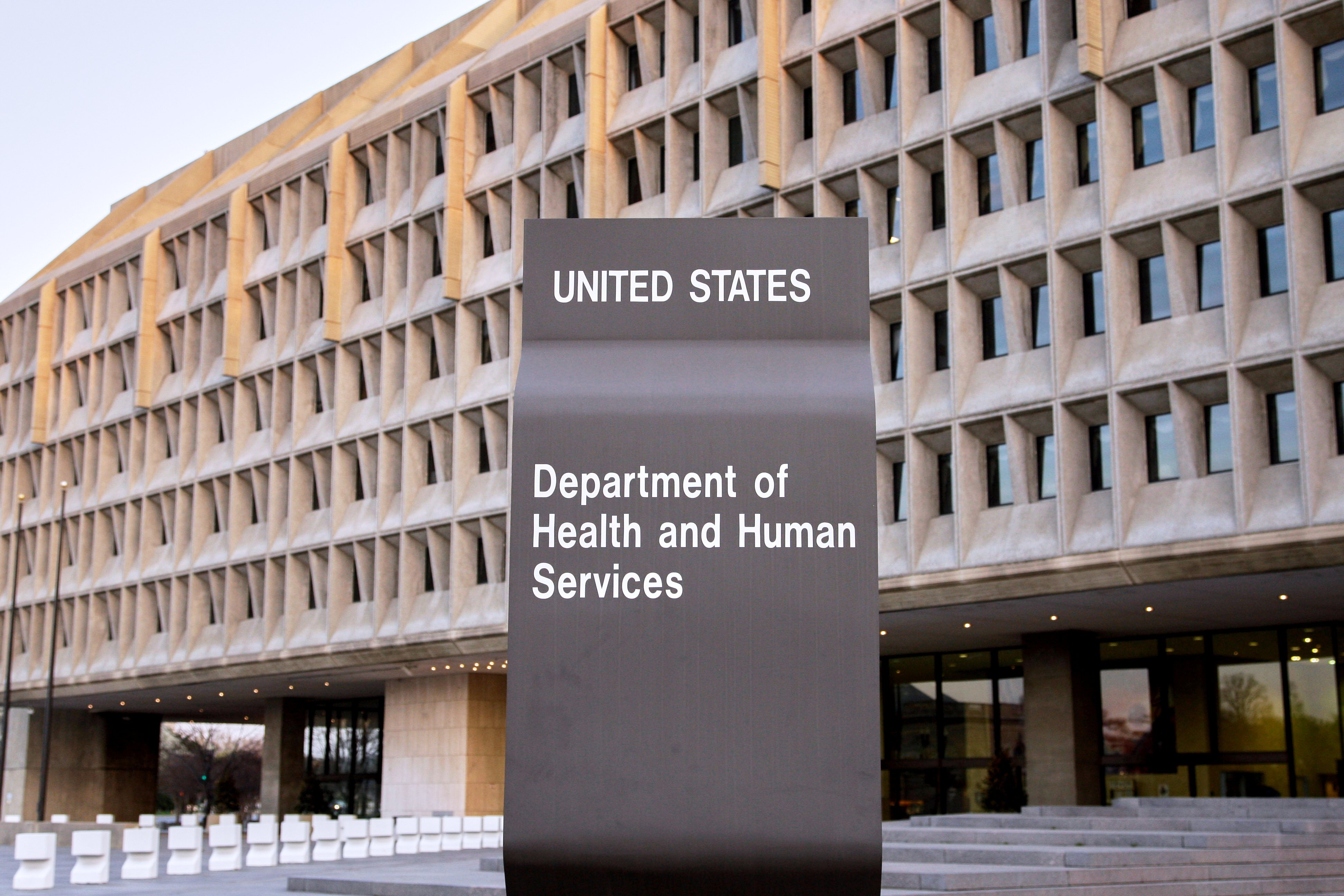
The Trump administration on Thursday released a final rule that will force most Medicaid beneficiaries between the ages of 19 and 64 to prove they are working, volunteering, or participating in job training to qualify for health coverage. The directive, rooted in the One Big Beautiful Bill Act signed by President Trump last summer, sets the framework states must follow to implement the controversial work requirements.
The rule specifies how states must handle eligibility determinations, exemptions, verification, and reporting. It gives states some leeway in defining who qualifies as “medically frail,” but after one year, they must verify both the medical condition and that it significantly impairs the individual’s ability to meet the community engagement standard.

The Congressional Budget Office estimates the work mandate will cause nearly 5 million people to lose Medicaid over the next decade, including many who are already employed. The requirement, which must be in place by January 1, 2027, applies to all 42 states and the District of Columbia that have fully or partially expanded Medicaid under the Affordable Care Act.
Republican lawmakers argue the policy is necessary to eliminate waste, fraud, and abuse in the program, targeting what they call “able-bodied” individuals who could work but choose not to. “This is our path to prosperity for the American people,” said Centers for Medicare and Medicaid Services Administrator Mehmet Oz in a press briefing. “We hope by guiding able-bodied individuals in this initiative, we aim to support their path to independence.”
Beneficiaries must work or volunteer at least 80 hours per month, attend school part-time, or enroll in job training. Exemptions are available for those caring for a child under 13 or a disabled parent, or for individuals with a health condition that prevents employment. States can also exempt people based on their own criteria, but the law already defines many of the exceptions.
The work requirement is a key component of the GOP’s tax and spending megabill, which carried a nearly $3 trillion price tag. Critics argue the policy will disproportionately affect low-income Americans, including those in unstable jobs or with unpredictable health issues. The rule is expected to face legal challenges from advocacy groups and Democratic state attorneys general.
While the administration frames the move as a way to preserve Medicaid for the most vulnerable, opponents warn it will create bureaucratic hurdles that lead to coverage losses even among those who comply. The rule also intersects with broader Republican efforts to reshape social safety net programs, a theme that has animated conservative policy for years.
For context, the Trump administration has also taken steps to tighten rules on other federal programs, such as cutting rebates for electric appliances and restricting AI chip exports to China. The Medicaid mandate is one of the most consequential health policy changes in recent years, with potential ripple effects across state budgets and healthcare access.
States now face a tight timeline to implement the complex verification systems required by the rule. Many are expected to seek waivers or additional guidance from the Centers for Medicare and Medicaid Services as they scramble to meet the 2027 deadline.