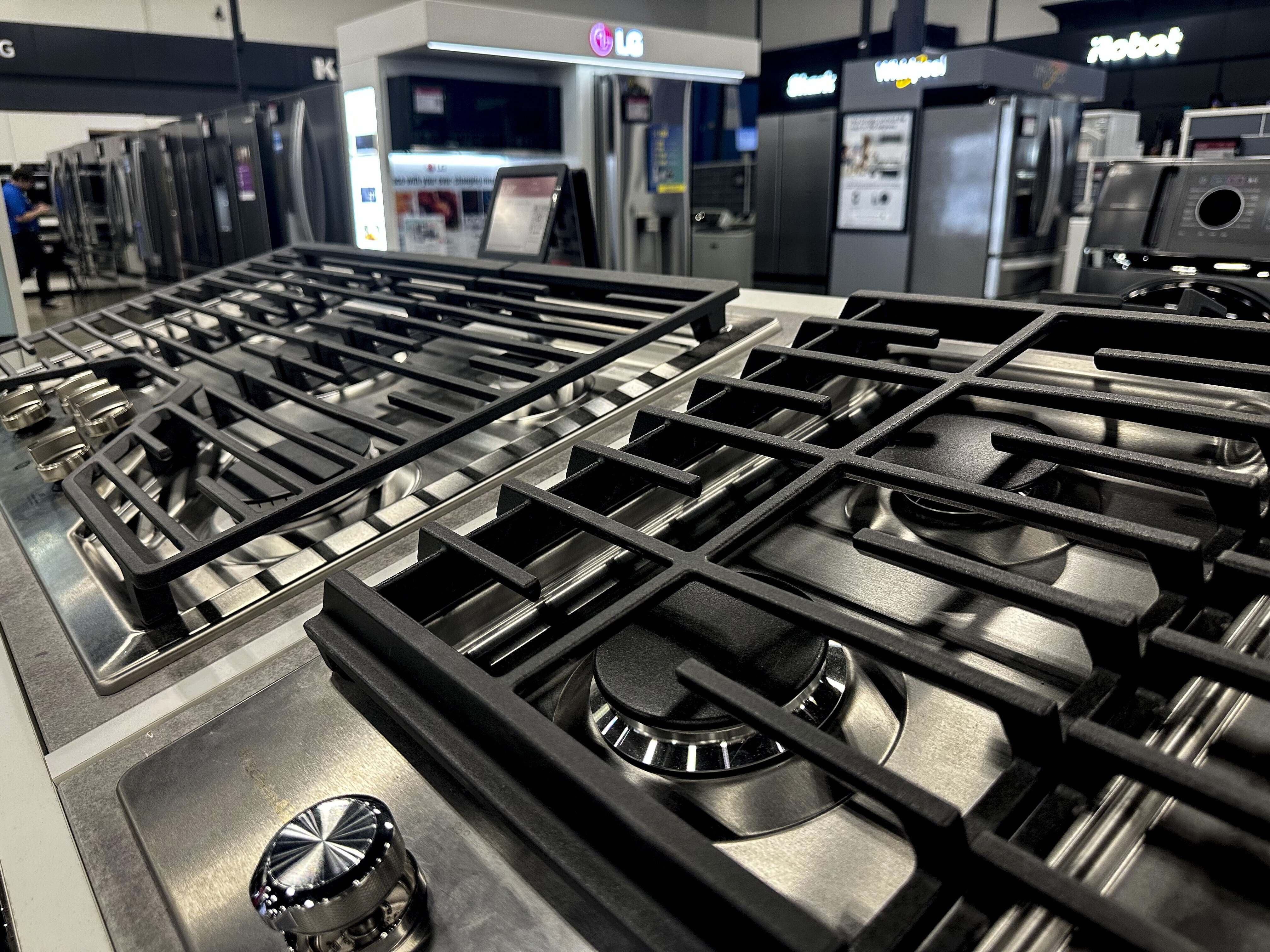
The Trump administration has effectively ended federal rebates for Americans who replace gas-powered appliances with electric ones, reversing a key incentive from the Biden-era climate law.
The Energy Department issued new guidance Friday that reinterprets a rebate program created under the 2022 Inflation Reduction Act. Originally, the program offered cash back for purchasing high-efficiency electric appliances like heat pumps, stoves, and ovens. The new rule, however, explicitly disallows what officials call “fuel-switching”—meaning consumers who swap a gas appliance for an electric one are no longer eligible.

Instead, rebates will only be available for households replacing existing electric appliances with more efficient electric models. The administration framed the change under a section labeled “advancing affordability,” but critics argue it will have the opposite effect.
“These changes will trap families into higher energy bills and force them to live with polluting equipment,” said Srinidhi Sampath Kumar, director of the Sierra Club’s Clean Heat campaign, in a written statement. “Congress created these rebates to help households lower costs, reduce indoor air pollution, and improve home comfort and safety. Blocking folks from swapping an inefficient gas appliance for a cleaner, more affordable one will hurt low- and moderate-income families the most, the very people these programs were designed to help.”
The Inflation Reduction Act allocated nearly $9 billion for home energy efficiency and electrification assistance. The rebate program was a centerpiece of the Biden administration’s climate agenda, aimed at reducing reliance on fossil fuels in homes. The Trump administration has consistently opposed such measures, arguing they impose regulatory burdens and distort energy markets.
This policy shift comes amid broader Trump administration efforts to reshape energy policy, including rolling back efficiency standards and promoting domestic fossil fuel production. The move also aligns with the administration’s broader deregulatory push across multiple sectors.
Environmental groups and consumer advocates have vowed to challenge the reinterpretation, arguing it undermines the law’s intent. Some Democratic lawmakers are expected to press the Energy Department for a formal explanation, potentially setting up a legal battle over executive authority to alter congressionally mandated programs.
The practical impact could be significant: millions of households that had considered switching from gas to electric appliances for environmental or cost reasons now face a lost financial incentive. The rebate program had been seen as a key tool to accelerate the adoption of electric heat pumps and induction stoves, which are often more efficient and can reduce carbon emissions.
As the administration continues to defend its energy and economic policies, the rebate change adds another flashpoint in the ongoing debate over climate action and government subsidies. The issue is likely to feature prominently in the upcoming political campaigns, with Democrats accusing the administration of siding with fossil fuel interests at the expense of consumers and the environment.