Americans are falling behind on credit card payments at a pace not seen in over a decade, according to new data from the Federal Reserve Bank of New York. In the first quarter, 13.1% of credit card balances were at least 90 days past due, up from 12.3% a year earlier and the highest quarterly rate since 2011.
Total credit card debt now exceeds $1.25 trillion. The share of seriously delinquent balances has surged from roughly 8% in early 2023, a five-percentage-point jump over three years that outpaces the increase seen between 2007 and the 2010 peak, when 13.7% of balances were severely overdue.
The rise in late payments coincides with higher borrowing costs. The average credit card interest rate hit 21% in February, up from about 14.5% in February 2022, before the Federal Reserve began hiking rates. That has made carrying credit card debt more expensive for households already under pressure.
New Delinquencies Flat, But Existing Borrowers Struggle
The New York Fed notes that the increase in seriously delinquent balances does not appear to be driven by a wave of new borrowers falling behind. Instead, the share of balances that became newly delinquent was little changed from a year earlier, suggesting that the trend reflects deepening strain among borrowers who were already struggling.
The return of student loan credit reporting provides another window into the debt crisis. The New York Fed estimates that roughly 3.6 million federal student loan borrowers entered default over the past two quarters. These borrowers are also behind on other obligations: 56% have at least one credit card past due, and 40% of those with auto loans are also late on payments. “These high rates suggest that their payment struggles extend beyond student loans — and are likely to worsen when collection efforts resume,” the bank’s researchers wrote.
Savings Rate Plunges as Energy Costs Bite
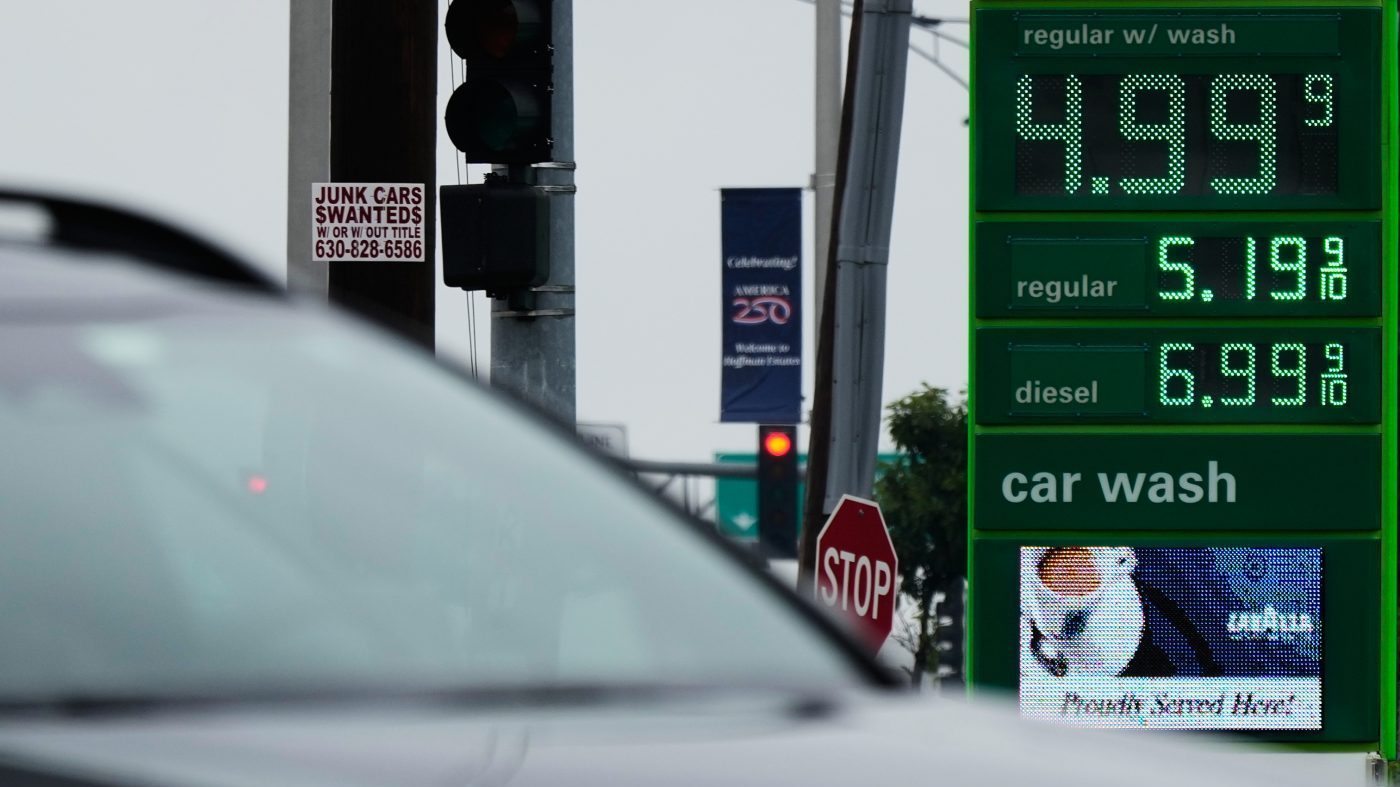
Federal data released this week shows additional strain from higher energy prices linked to the war in Iran. The personal saving rate fell to 2.6% in April, down from 4.3% at the start of the year and the lowest level since June 2022, when annual inflation topped 9% and gas was above $5 a gallon. Last month’s decline came as Americans spent more on gas and other energy goods, with average pump prices climbing above $4.20 a gallon.
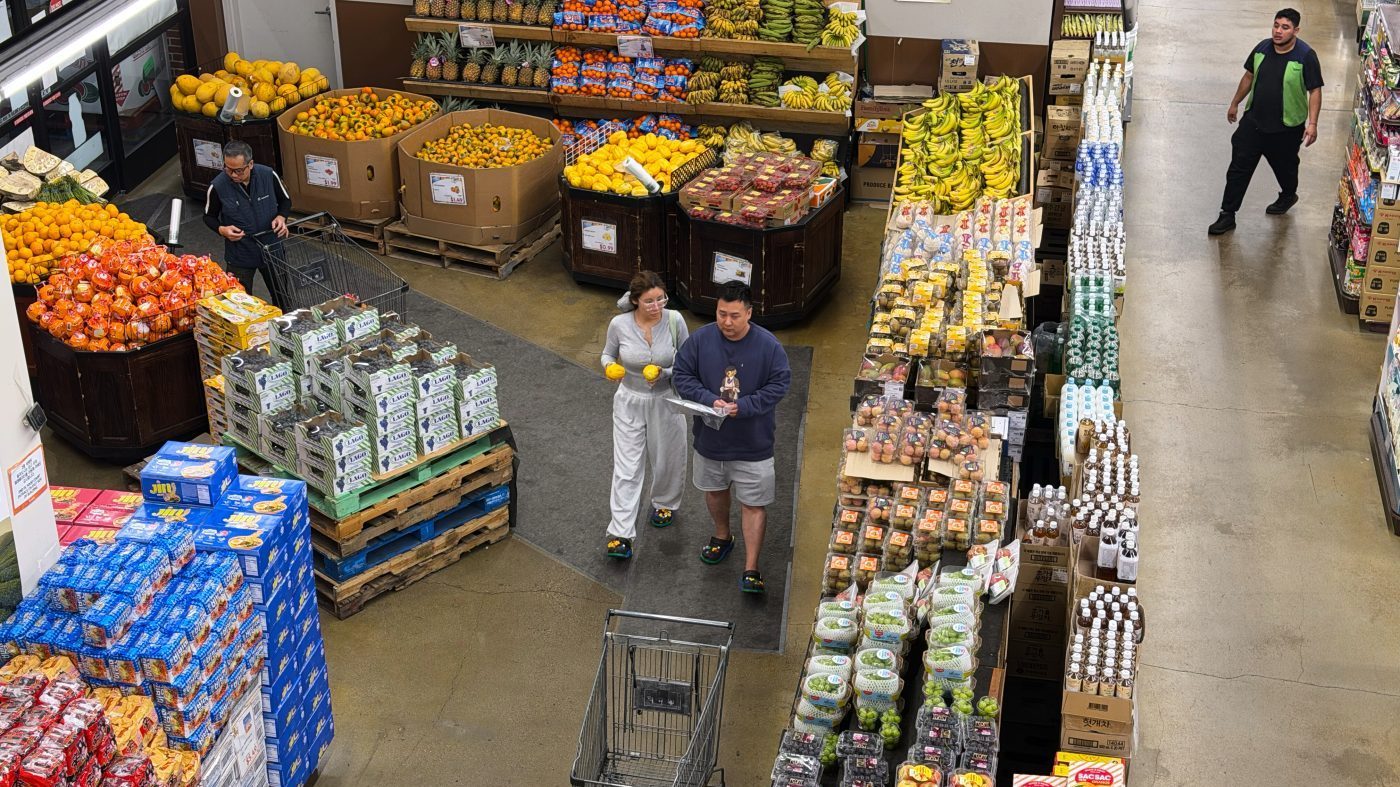
“Consumers are running out of financial resources to maintain their spending,” Moody’s Analytics chief economist Mark Zandi said Thursday. Meanwhile, inflation has reaccelerated to 3.8%, the fastest annual pace in nearly three years, and consumer prices are now rising faster than wages.
Despite the headwinds, 76% of respondents in a recent NerdWallet survey said they are confident they can pay all bills on time this month. However, 37% said they will need to rely on credit to cover at least some expenses. A resolution in the Middle East could provide some relief, though it remains unclear how quickly oil flows through the Strait of Hormuz would normalize. President Trump said Friday he was meeting in the White House Situation Room to make a “final determination” on a deal with Iran.
For more on the broader economic challenges, see our report on unpaid caregivers facing a retirement crisis. Additionally, the impact of higher energy costs on key sectors is explored in this analysis of how the Iran war fuel shock is hitting airline earnings.