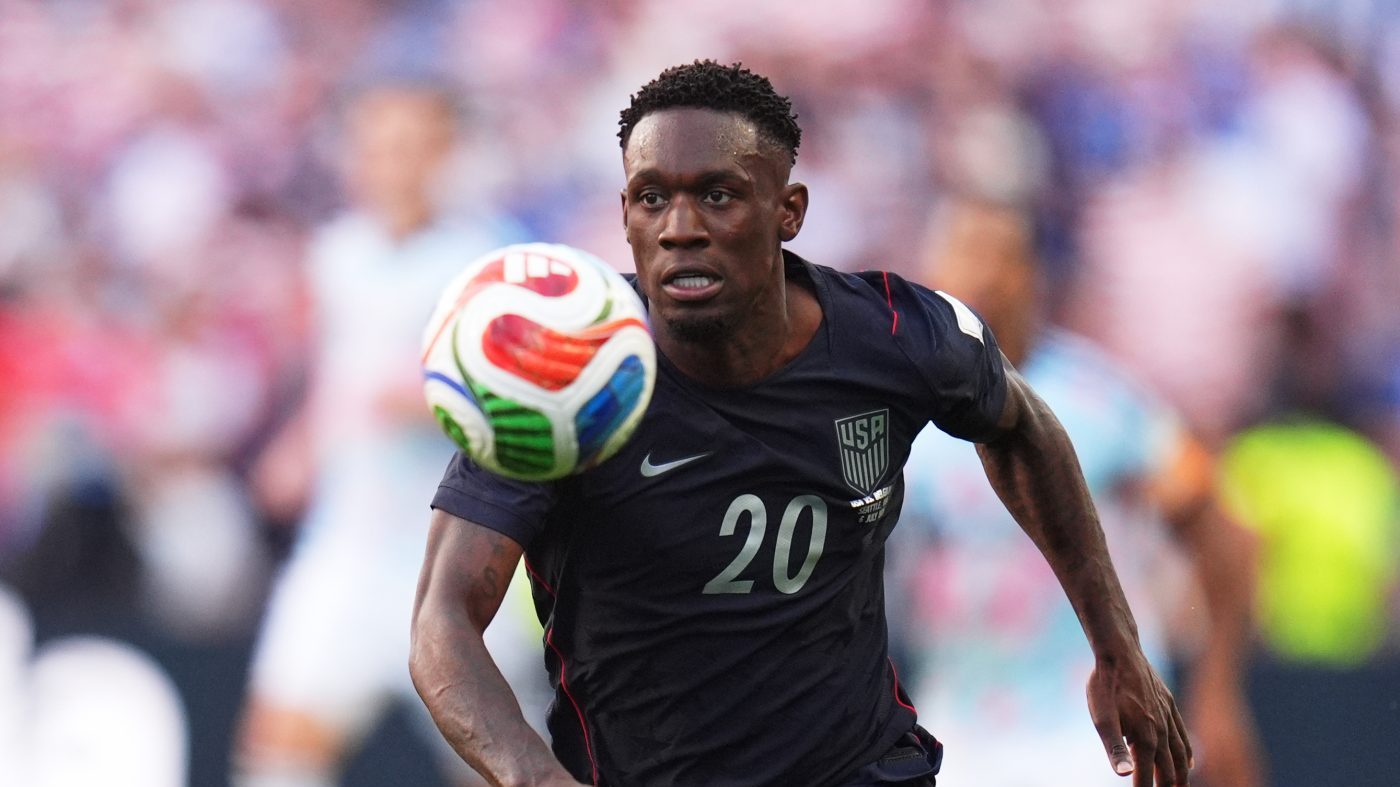
United States men's national team striker Folarin Balogun acknowledged this week that the political firestorm ignited by President Trump's push to have his red card rescinded became a significant distraction for the squad ahead of their 2026 World Cup exit.
Speaking on CBS, Balogun said his initial relief at being reinstated quickly gave way to concern as the controversy escalated. “My initial reaction was, you know, I was happy to be back in the team,” he said. “But when I kind of started to reflect, I knew it was gonna cause a lot of controversy, and I could almost see within my teammates a bit of nerves because it’s something that’s so unique.”
The forward, who had been sent off during the Americans' first knockout-round match—a decision widely criticized as overly harsh—found himself at the center of an unusual diplomatic intervention. Trump personally lobbied FIFA to review the call, and the governing body stunned the soccer world by suspending the red card the day before the U.S. faced Belgium.
“The closer we got to the game, I tried to just focus as best as I could, but it was difficult, you know?” Balogun continued. “A lot of outside noise, and that’s hard to avoid.”
The episode underscored the increasingly blurred lines between sports and politics under the Trump administration, which has not hesitated to weigh in on international sporting matters. Earlier, Trump had courted Iraq's new prime minister with oil deals and pipeline plans, demonstrating a pattern of leveraging presidential influence across multiple arenas.
Team USA ultimately fell to Belgium, a defeat that ended their World Cup run. Belgium was later eliminated by Spain in the next round.
Balogun's comments suggest that while the reversal allowed him to play, the surrounding political drama may have undercut the team's focus at a critical moment. “I could almost see within my teammates a bit of nerves,” he noted, hinting at the psychological toll the incident took on the locker room.
The controversy has reignited debate over presidential involvement in sports governance, with critics arguing that Trump's intervention politicized a sporting decision and placed undue pressure on both FIFA and the U.S. team. Supporters, however, contend it was a justified correction of an unjust penalty.
For Balogun, the experience was a stark lesson in how quickly the game can become entangled with larger political forces. “It’s something that’s so unique,” he said, “and that’s hard to avoid.”