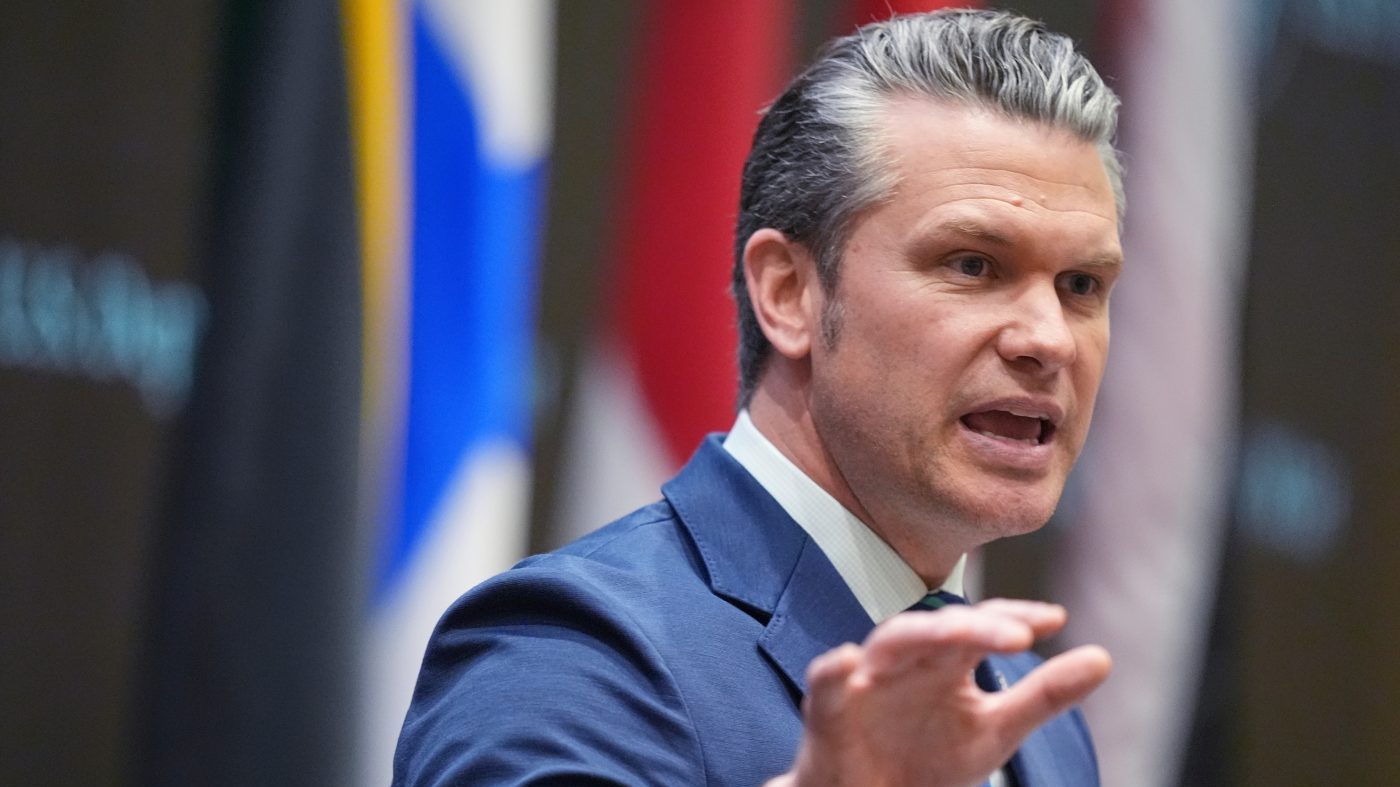
The Department of Defense has terminated its long-standing requirement that all military personnel receive annual influenza vaccinations, a significant reversal in Pentagon health policy announced by Defense Secretary Pete Hegseth. The new directive, effective immediately, makes the flu shot voluntary for active-duty, reserve, and National Guard members.
Hegseth Frames Policy as 'Medical Autonomy'
In a social media video announcement, Hegseth characterized the mandate's end as a restoration of fundamental freedoms for service members. "Our new policy is simple," Hegseth stated. "If you, an American warrior entrusted to defend this nation, believe that the flu vaccine is in your best interest, then you're free to take it. You should. But we will not force you. Because your body, your faith are not negotiable." He positioned the change as granting troops "medical autonomy" and "freedom to express their religious convictions."
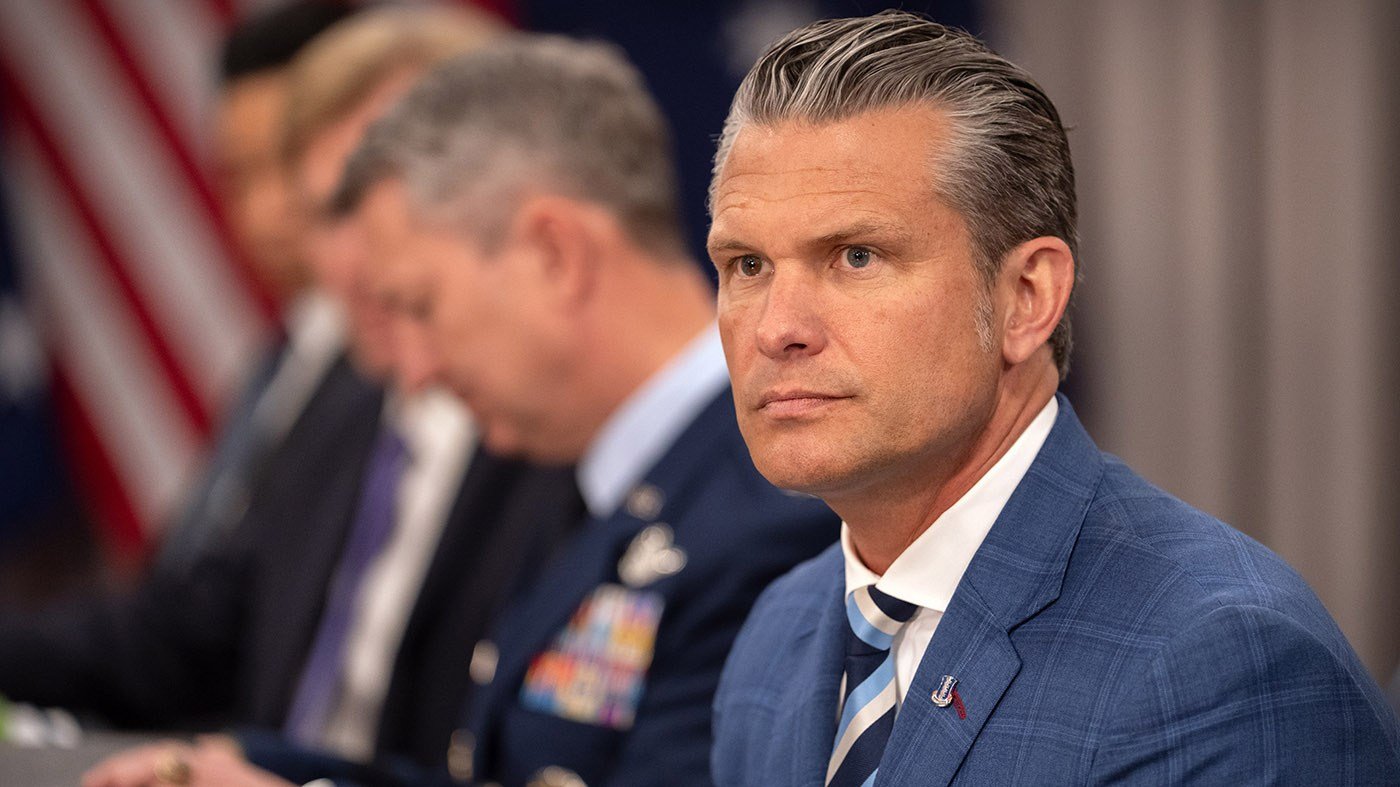
The Defense Secretary sharply criticized the previous mandate as part of what he called "absurd, overreaching mandates that only weaken our warfighting capabilities." He argued that the blanket requirement forced personnel "to choose between their conscience and their country, even when those decisions posed no threat to our military readiness." Hegseth concluded that a universal mandate was "overly broad and not rational."
Policy Evolution and Broader Context
This final elimination of the flu vaccine requirement follows a partial rollback in May 2025 that created exemptions for reservists and acknowledged the shot was only necessary under specific circumstances. The latest policy was formalized in a brief memo dated April 20.
The shift occurs within a broader administration focus on revising federal vaccine policies. The Trump White House has previously altered other vaccination guidance, influenced in part by advisors skeptical of mandates. A central feature of this agenda has been addressing the fallout from the COVID-19 vaccine mandate enforced during the prior administration. The Pentagon has offered back pay and reinstatement opportunities to thousands of veterans discharged for refusing that vaccine, though fewer than 200 have accepted the offer to rejoin.
This contentious area of vaccine policy continues to generate debate elsewhere in the administration, as evidenced by HHS Secretary Kennedy's challenging appearances before Congress to defend departmental budgets and health directives.
Military Readiness and Health Implications
The decision raises immediate questions about its impact on unit health and operational readiness, particularly for deployed forces or those in close-quarters environments like naval vessels. Public health experts have historically emphasized vaccination as a key tool in preventing seasonal outbreaks that could incapacitate critical military functions.
Hegseth's leadership at the Pentagon has drawn attention for other unconventional moments, including a recent prayer service that invoked pop culture references, sparking debate about his management style. The vaccine policy change represents one of his most substantive personnel policy revisions to date.
The move aligns with a perceived political mandate to unwind pandemic-era regulations, but it departs from decades of standard military medical practice. It remains to be seen whether voluntary uptake will be sufficient to maintain herd immunity within the force or if the policy will be revisited during a severe flu season.