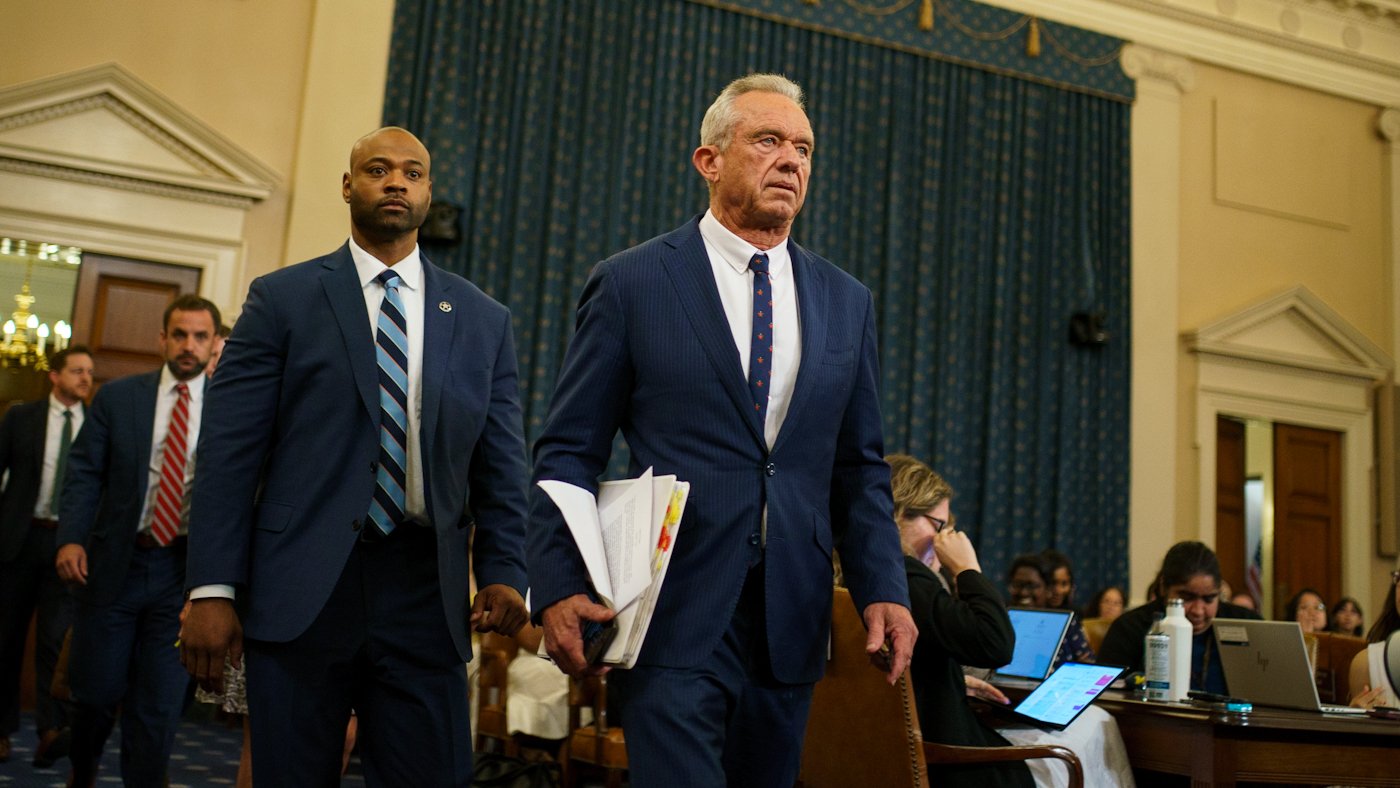
Health and Human Services Secretary Robert F. Kennedy Jr. endured a grueling day of congressional scrutiny Thursday, appearing before both the House Ways and Means and Appropriations Committees as part of a week-long series of hearings. The sessions marked his first Capitol Hill testimony of 2026 and served as a critical test of the administration's strategy to refocus his controversial "Make America Healthy Again" movement away from divisive vaccine debates.
A Shift in Political Climate
Kennedy confronted a significantly changed political landscape compared to his appearances seven months prior, when his MAHA initiative held maximum influence. Since then, his overhaul of childhood vaccine schedules and leadership changes across health agencies have faced mounting opposition. The White House, eyeing the 2026 midterms, has reportedly urged Kennedy to emphasize other policy achievements while avoiding unpopular vaccine discussions.
In his opening statements, Kennedy highlighted administration efforts on food and nutrition, including new dietary guidelines and partnerships to remove artificial dyes. He staunchly defended proposed budget cuts totaling $16 billion from HHS, including reductions to nutrition programs like WIC and SNAP. "Am I happy about the cuts? No, I'm not happy about the cuts," Kennedy acknowledged, but added, "we got a $39 trillion debt." He described a proposed $5 billion reduction to the National Institutes of Health as a "recalibration" to focus on chronic disease research.
Vaccine Questions Persist
Despite efforts to stay on message, Democrats repeatedly forced Kennedy to address vaccine policy. When pressed by Rep. Linda Sánchez (D-Calif.) about whether a measles vaccine could have prevented a child's death, Kennedy conceded it was "possible, certainly." The exchange represented a notable departure from the heated confrontations that characterized his previous testimony.
Democrats nevertheless maintained pressure. Sánchez challenged Kennedy over HHS canceling a pro-vaccination campaign while funding unconventional outreach. "One thing I find incredible is that you suspended this pro-vaccine messaging campaign, but somehow you're spending taxpayer dollars to drink milk shirtless in a hot tub with Kid Rock," Sánchez said. Rep. Mike Thompson (D-Calif.) directly linked policy to outcomes, stating, "Mr. Secretary, kids have died because measles is running rampant under your watch."
Tensions peaked during the Appropriations hearing when Rep. Madeleine Dean (D-Pa.) cited soaring measles cases. Kennedy countered that 80% of cases involved individuals over five years old and blamed declining vaccination rates on "mismanagement" following COVID-19. He erupted when Dean questioned the expertise of his reconstituted CDC vaccine advisory panel, shouting "Wrong. Absolutely, completely, utterly wrong." The panel's legitimacy remains contested, with a federal judge recently blocking most of Kennedy's changes to both the committee and childhood vaccine schedules. This judicial rebuke follows Kennedy's subsequent revisions to the panel's charter in response to legal challenges.
Fraud and Waste Allegations
Democrats also attacked the administration's credibility on fiscal responsibility. They highlighted perceived hypocrisy in pledging to eliminate waste while President Trump pardoned individuals convicted of defrauding federal health programs. Ways and Means ranking member Richard Neal (D-Mass.) pressed Kennedy specifically on pardons for John Duncan Fordham and Joseph Schwartz, who defrauded health programs of millions.
The hearings occurred amid broader scrutiny of administration officials, as Homeland Security leaders also faced tough questions over budget requests and immigration funding. Kennedy's performance was closely watched by critics, including a progressive group that had previously condemned his record ahead of the testimony.
As Kennedy prepares for five additional hearings this week, Thursday's proceedings revealed both his disciplined messaging on budget priorities and the persistent political vulnerability of his vaccine policies. The administration's attempt to moderate his public focus met limited success, with Democrats demonstrating their intent to keep vaccine safety and oversight at the forefront of health policy debates.