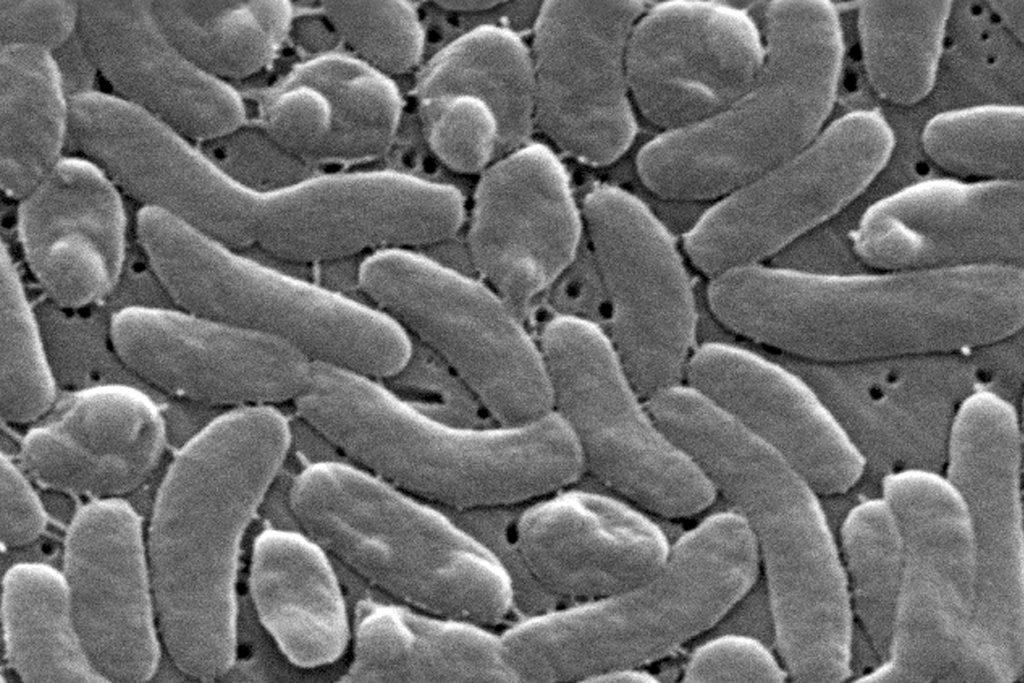
As coastal waters warm with the onset of summer, health officials are sounding the alarm on vibriosis, a bacterial infection that sickens roughly 80,000 Americans each year. The Centers for Disease Control and Prevention notes that vibrio bacteria thrive in salt and brackish water starting in May, making this the peak season for exposure. While most cases are mild, a small fraction can escalate into necrotizing fasciitis—the so-called flesh-eating disease—which can require intensive care or limb amputation and kills one in five victims within days.
The primary route of infection is consuming raw or undercooked shellfish, particularly oysters. But the bacteria can also enter the body through open wounds during swimming or wading in coastal waters. The CDC has confirmed recent cases from Long Island, New York, down to Florida, and last year saw multi-state outbreaks linked to Minnesota and Illinois. This geographic spread underscores the need for vigilance, especially as hurricane season looms and could disrupt water quality—a challenge the Acting FEMA Chief has acknowledged amid staffing and funding woes.

Symptoms and Risk Factors
Infected individuals may experience diarrhea, stomach cramps, nausea, vomiting, fever, and chills. If the bacteria enter the bloodstream, symptoms escalate to low blood pressure and skin lesions. For wound infections, look for redness, pain, swelling, warmth, discoloration, and discharge. Anyone with these symptoms who has recently eaten seafood or had an open wound in coastal water should seek medical attention immediately. Antibiotics can treat severe cases, and surgery may be necessary for infected wounds.
While anyone can contract vibrio, those with compromised immune systems face higher risks of severe outcomes. The CDC emphasizes that prevention is straightforward: avoid raw or undercooked seafood and keep open wounds out of coastal waters. This advice is particularly relevant as the agency also tracks other waterborne threats, such as hantavirus, which poses its own set of risks.
Broader Public Health Context
The annual vibrio surge comes at a time when public health infrastructure is under scrutiny. Recent debates over vaccine policies have raised concerns about preventable infections, as data shows vaccine delay policies could lead to more infant infections and deaths. Meanwhile, the Trump administration's workforce cuts have been criticized for potentially hampering responses to natural disasters, including wildfires—a point highlighted in coverage of wildfire season preparedness.
For now, the CDC recommends that consumers cook shellfish thoroughly, avoid cross-contamination in kitchens, and wash hands after handling raw seafood. Those with cuts or scrapes should steer clear of saltwater or brackish water until wounds are fully healed. With the bacteria multiplying rapidly in warm months, these simple steps can mean the difference between a mild illness and a life-threatening infection.