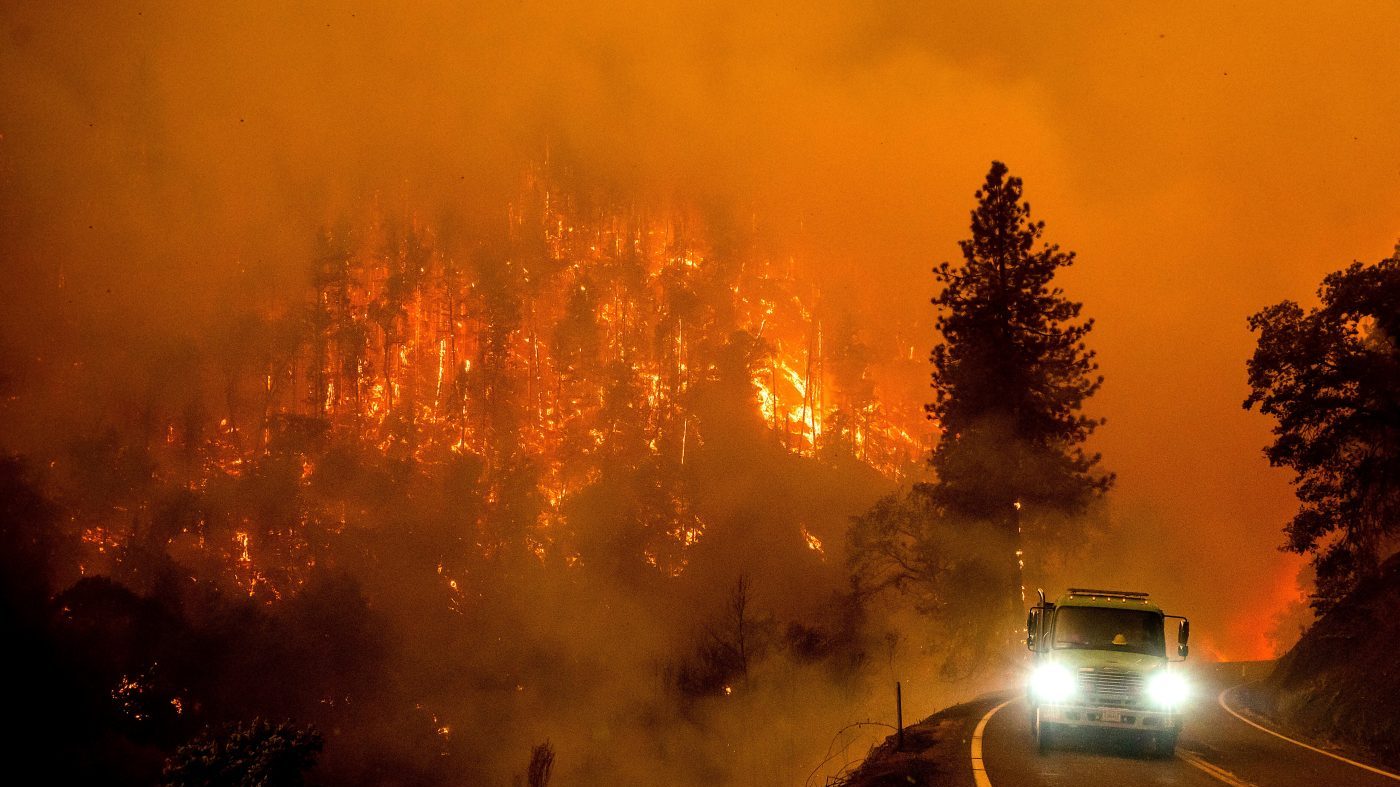
With meteorologists forecasting a severe wildfire season due to record low snowpack in the West and widespread drought, the U.S. Forest Service and Interior Department face scrutiny over staffing levels after the Trump administration slashed federal workforces. Lawmakers from both parties express concern that reductions could undermine the nation's ability to combat wildfires, even as agencies assert they are prepared.
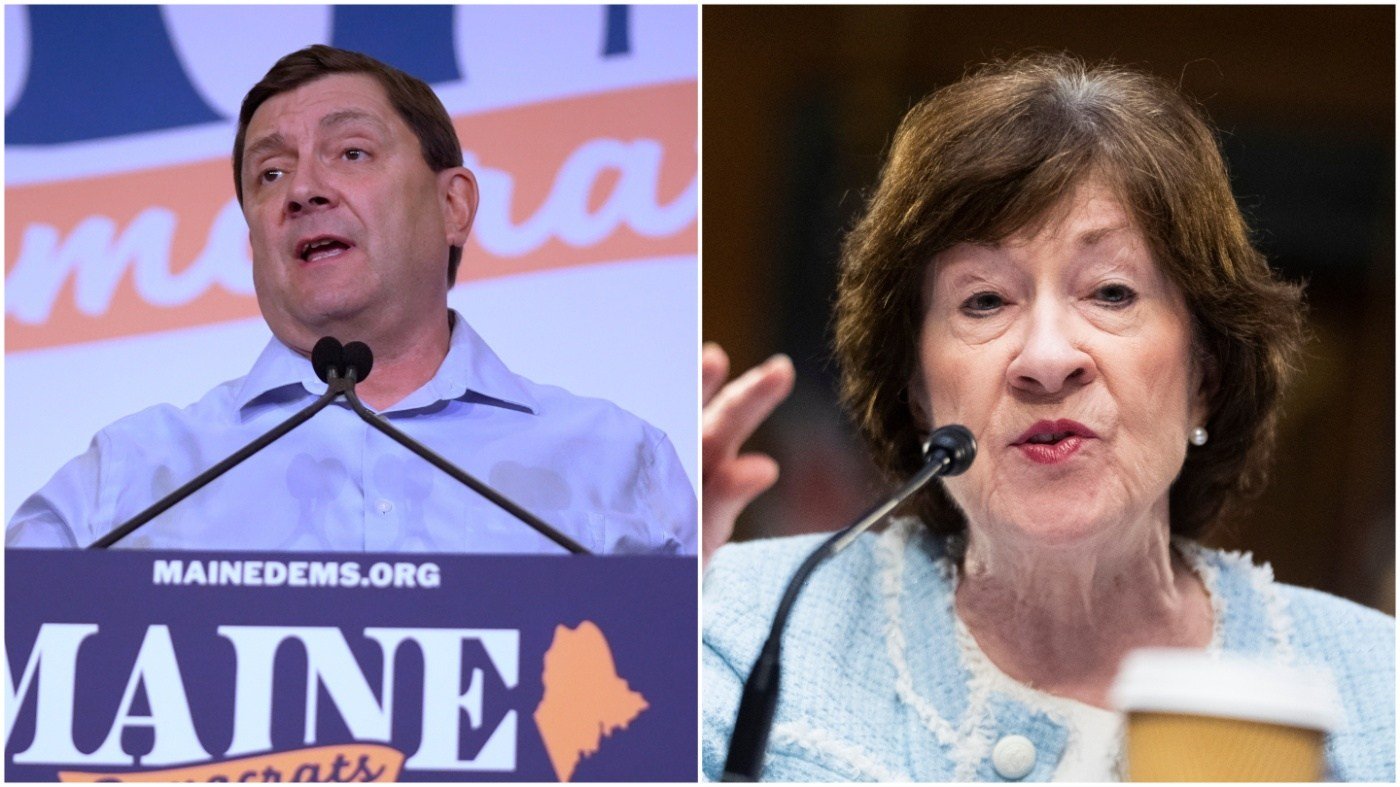
Representative Suzanne Bonamici, an Oregon Democrat, voiced deep unease: "I'm extremely concerned about the upcoming season." Her sentiment echoes that of six Colorado Democratic lawmakers who sent a letter to the Forest Service chief, warning that Trump's 2025 workforce cuts—which the USDA Inspector General found reduced the Forest Service by 16 percent last year—could impair firefighting operations.
However, the Forest Service maintains it is on track to meet its goal of 11,300 wildland firefighters by mid-July. As of May 11, the agency reported 10,496 firefighters on board, with an additional 10,000 red-carded staff holding fire qualifications and over 28,000 trained responders available for mobilization, plus contracted resources. The Interior Department said it has 6,600 federal firefighters, a number "comparable" to 2024 levels under former President Joe Biden.
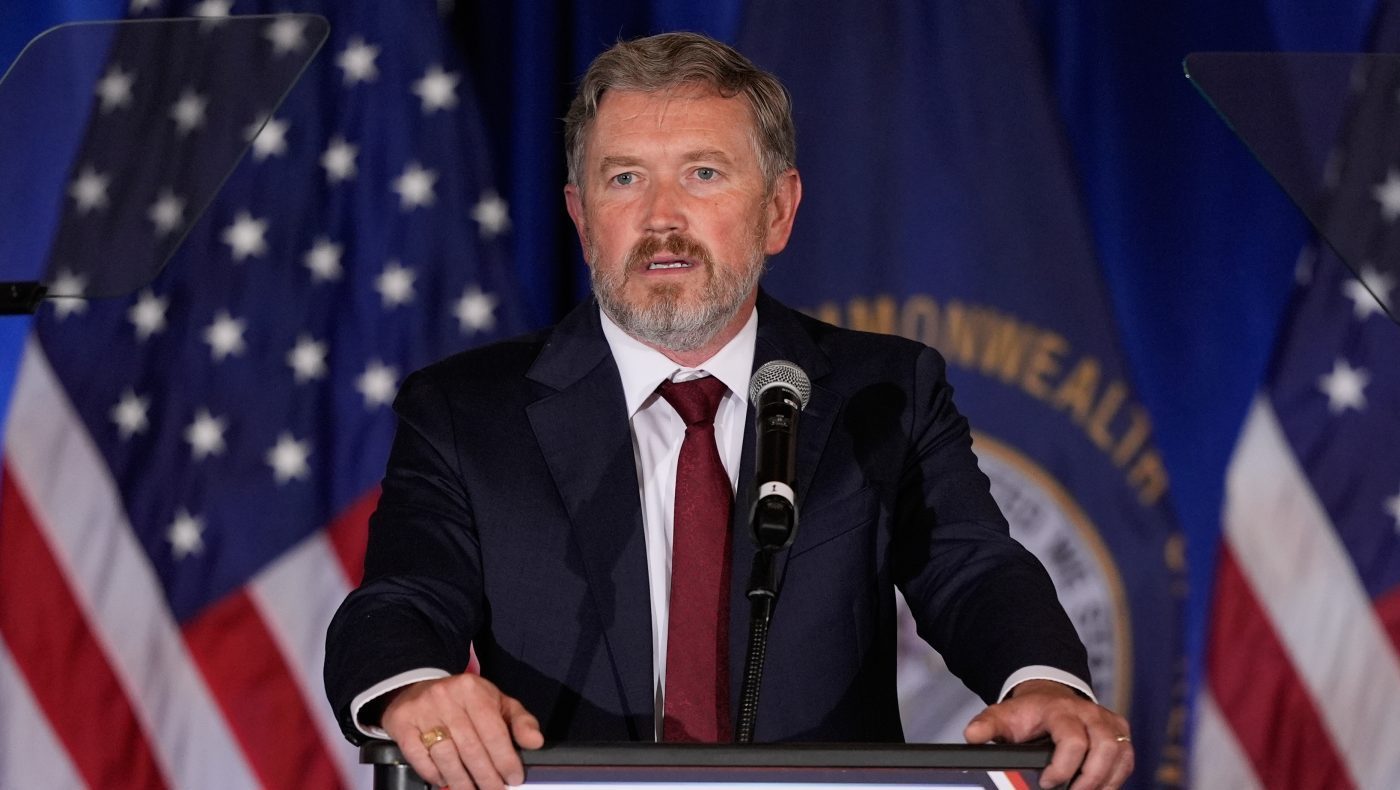
Republican Representative Jeff Crank of Colorado acknowledged the challenge but suggested cuts were not aimed at firefighters: "It's going to be a tough situation, but I don't think that the cuts themselves were directed toward the firefighters." Democrat Jason Crow, also of Colorado, countered that the impact extends beyond frontline crews: "It's more than the firefighters, too. There's a lot of personnel that do wildfire mitigation. We have to make sure we have the resources to manage these lands and respond to these fires when they break out."
Federal firefighters identify the Southeast and West as highest risk this summer. The Interior Department described its reorganization as a deliberate modernization: "The unification of the Interior Department's wildland fire management programs is being implemented in deliberate phases to ensure continuity of operations and readiness for wildfire activity in 2026. Current firefighting capabilities remain fully in place, and there will be no gap in response capacity." The department added that it employed about 5,700 wildland fire personnel last year and expects similar levels this year, with over 900 tribal firefighters under agreement.
The Forest Service echoed this confidence, stating: "Our fire readiness and response remain unchanged, and our operational firefighters and aviation resources continue to support wildfire response. Our hiring goal is 11,300 operational firefighters and recruitment and hiring efforts are ongoing. As of early May, we are ahead of schedule for meeting that goal." The agency emphasized that it employs more wildland firefighters than all other federal agencies combined and promised an "aggressive, coordinated and unified" emergency response with interagency partners, states, tribes, and local governments.
Despite these assurances, critics point to broader federal workforce reductions as a risk. The Trump administration's approach to federal agencies has drawn parallels to cuts affecting research institutions, raising questions about long-term capacity. Meanwhile, the political backdrop includes ongoing tensions over alleged declines in governance standards under Trump. As wildfire season intensifies, the gap between agency claims and lawmaker concerns remains a flashpoint.