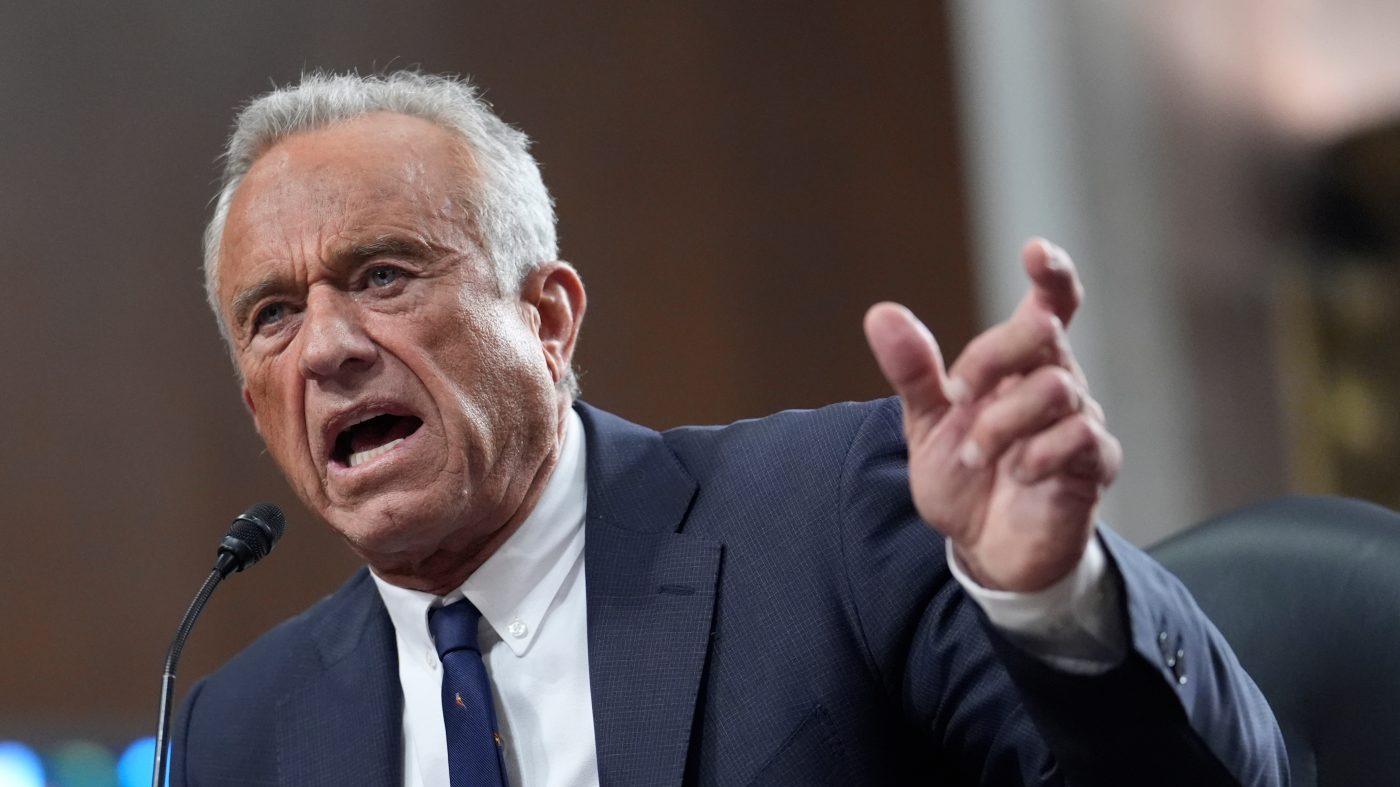
The progressive advocacy organization Protect Our Care has launched a comprehensive critique of Health and Human Services Secretary Robert F. Kennedy Jr.'s performance, publishing a damning report just as he prepares for an intense series of congressional hearings this month. The report, titled "Robert F. Kennedy Jr. vs. Public Health," systematically attacks the secretary's actions across multiple domains, framing his first fourteen months as detrimental to the nation's well-being.
Core Allegations: Vaccines, Science, and Political Mobilization
Central to the group's indictment is Kennedy's handling of vaccine policy. Protect Our Care contends he has transformed federal COVID-19 guidance into a confusing "maze" that has suppressed vaccination rates, despite public assurances of availability. The report further warns that groups aligned with Kennedy's "Make America Healthy Again" (MAHA) movement are leveraging updated federal schedules to pressure state legislatures into rolling back school vaccine mandates, a trend exemplified by legal actions like Texas Attorney General Ken Paxton's investigation into physician incentives for immunization.
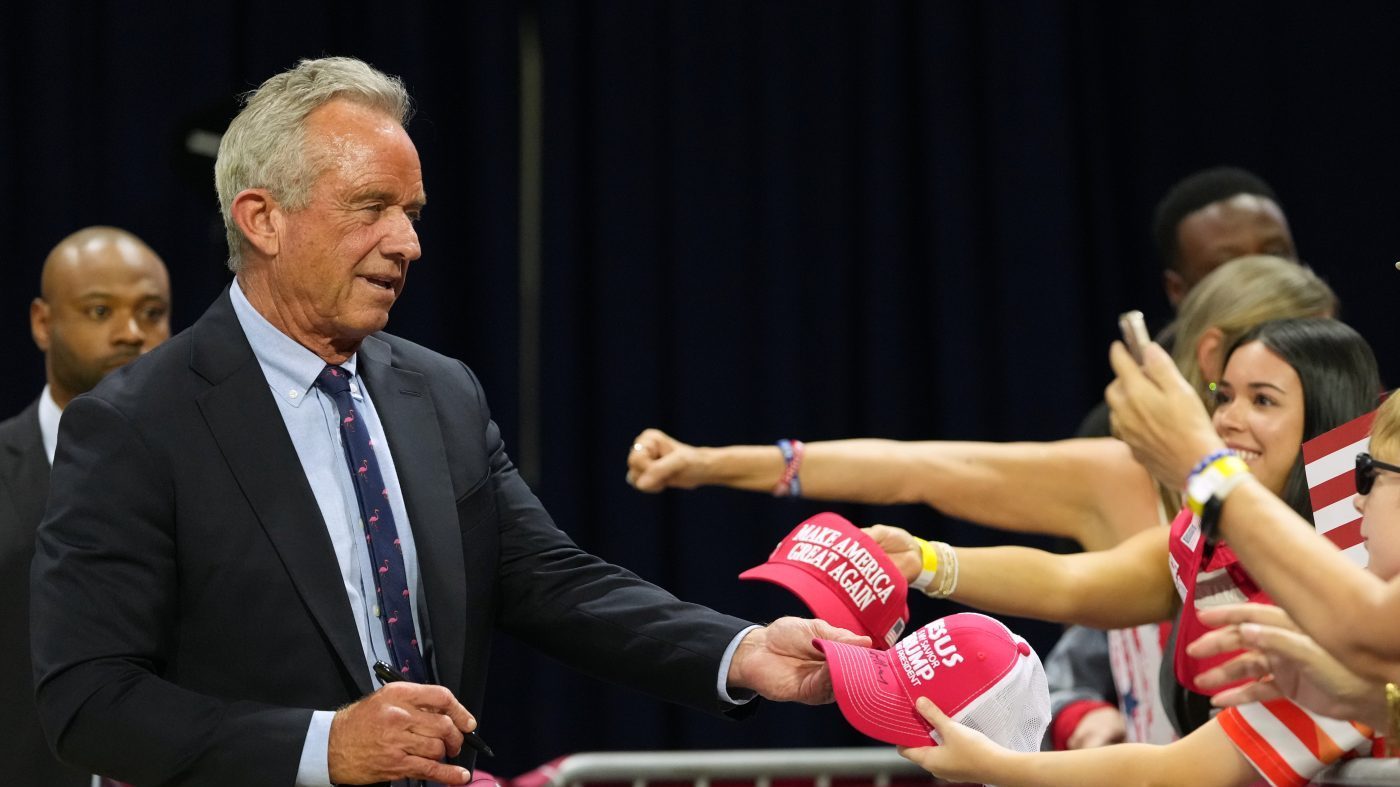
"RFK Jr. truly earned the dubious honor of having the lowest public trust rating for health information in the country," said Protect Our Care President Brad Woodhouse in a statement included in the report. "Trump’s health secretary has fully exposed himself as a charlatan whose contempt for peer-reviewed science is making America sicker and woefully unprepared for the next public health crisis."
Food Policy: "All Sizzle, No Steak"
The report also scrutinizes Kennedy's ambitious agenda to reform national food and dietary standards. While this area has drawn interest from both critics and allies, Protect Our Care labels his efforts "all sizzle, no steak." It accuses Kennedy of being profoundly out of touch with economic realities, noting that school nutrition directors find his promotion of red-meat-heavy, full-fat menus financially unsustainable. The organization also highlights growing resistance from the food industry itself against his proposed ingredient restrictions.
"For a health secretary who presents himself as a champion of working people’s diets, Kennedy has been completely oblivious to what food actually costs," the report states. This criticism follows Kennedy's recent defense of the Trump administration's push to expand access to glyphosates and his inclusion of beef and dairy industry-linked experts in drafting new Dietary Guidelines, which the report characterizes as "selling out" his own political base.
Political Timing and Broader Context
The release is strategically timed, landing one day before Secretary Kennedy begins a marathon of six hearings before House and Senate committees over the next two weeks, where he is slated to defend the administration's budget request. The report explicitly links his policy moves to mobilizing the MAHA base as a key voting bloc ahead of the upcoming midterm elections, suggesting his public health decisions are politically motivated.
This high-stakes political confrontation occurs amid other significant legislative scrutiny, such as the ongoing congressional effort to reform investment taxes and debates over federal science funding, where figures like Senator Jerry Moran have publicly rebuked proposed cuts. The Kennedy report adds to a charged atmosphere where policy and politics are deeply intertwined.
Protect Our Care's broadside signals a coordinated effort by progressive health advocates to define Kennedy's tenure negatively as he enters a critical period of congressional oversight. The document serves as both a substantive critique and a political weapon, aiming to shape the narrative around his testimony and apply public pressure. Whether this report influences the tone of the upcoming hearings or the broader public perception of the secretary's record remains a key question as Washington's focus turns to these pivotal sessions.