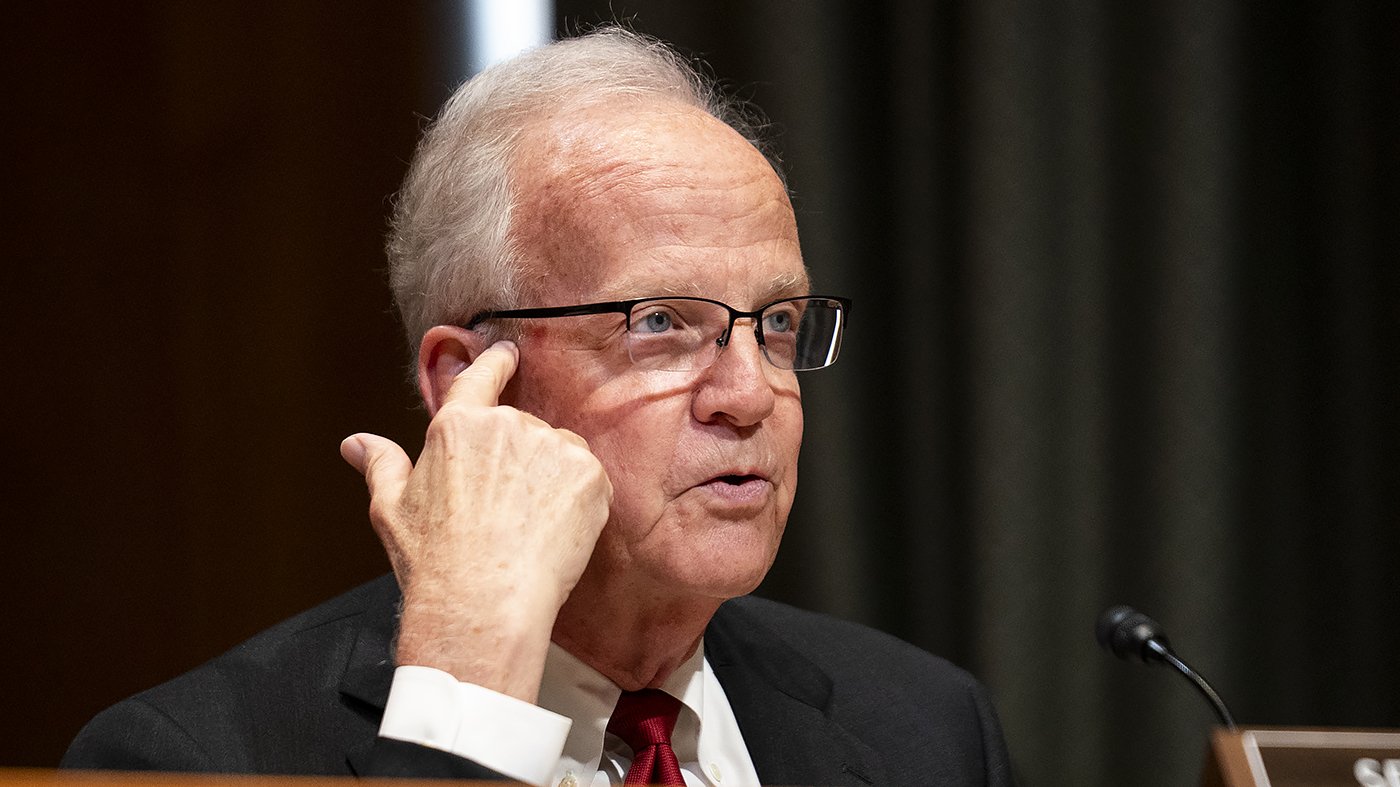
Senator Jerry Moran, the Republican chairman of the Senate Appropriations subcommittee that controls NASA's budget, has broken with the Trump administration over proposed deep cuts to the space agency, labeling the strategy a "mistake." Moran's public criticism signals potential congressional resistance to a White House budget request that would slash NASA funding by $5.6 billion for the coming fiscal year.
Appropriations Chair Rejects Budget Premise
Speaking at the Space Symposium in Colorado, Moran, who represents Kansas, directly challenged the administration's focus. "I think it would be a mistake to put money only in the missions related to exploration and not into science and the others," Moran stated, according to a report from SpaceNews. "I wouldn't start with the premise that exploration is the only important aspect of the budget." As chair of the Commerce, Justice, and Science subcommittee, Moran holds significant sway over the final funding NASA receives.

The White House Office of Management and Budget has requested $18.8 billion for NASA for fiscal year 2027, a sharp decrease from the current $24.4 billion allocation. The proposal targets NASA's science division for a $3.4 billion reduction by terminating over 40 missions deemed "low-priority." It also seeks cuts of $1.1 billion from the International Space Station program, $297 million from space technology development, and $143 million from STEM engagement—including a program that supported engineering and data science initiatives at historically Black colleges and universities.
Moran Pledges Stability, Plans Hearing
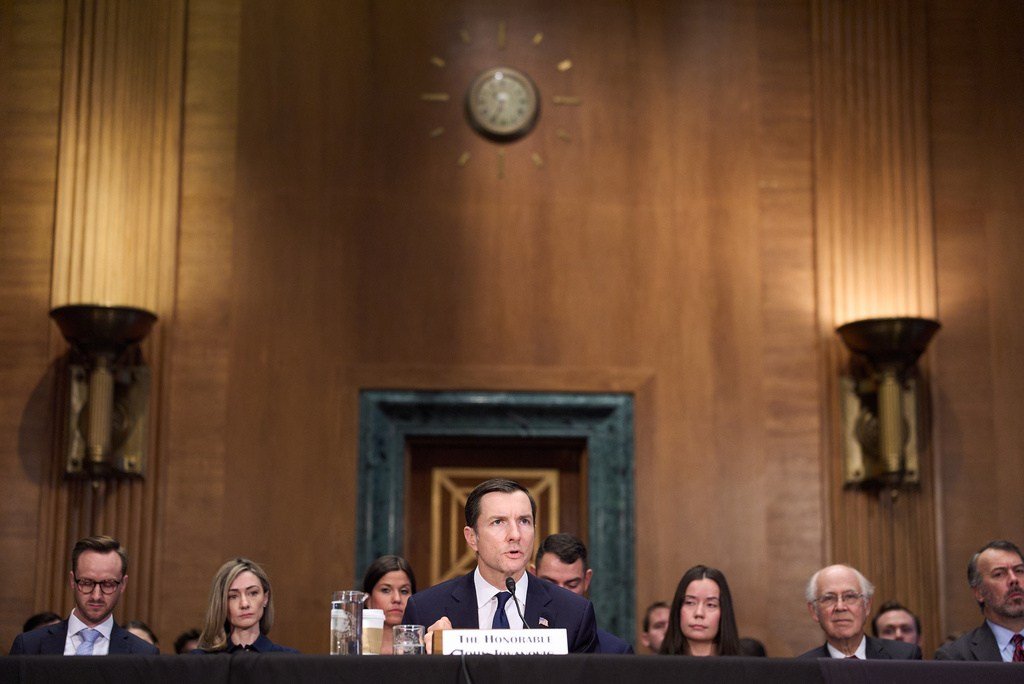
In contrast to the administration's blueprint, Moran pledged to work toward funding NASA "in a way that is pretty similar to what we did last year." He emphasized the need for "stability, predictability and balance" for the agency to function effectively. The senator also announced his subcommittee has scheduled a hearing on the budget proposal with NASA Administrator Jared Isaacman, though a specific date was not provided.
Administrator Isaacman has publicly defended the cuts, arguing on CNN's "State of the Union" that NASA's budget remains the largest globally. "NASA's science budget is greater than every other space agency combined across the world," Isaacman told host Jake Tapper. He framed the reductions within the context of funding President Trump's signature tax cut proposal, suggesting the savings support broader economic priorities. Isaacman contended that the administration's focus on lunar exploration would ultimately yield scientific benefits through a sustained moon presence.
The proposed cuts have alarmed bipartisan members of Congress. Representatives Don Bacon (R-Neb.) and Judy Chu (D-Calif.), who co-chair the Congressional Planetary Science Caucus, issued a joint statement expressing deep concern. "These drastic cuts would create enormous chaos and uncertainty for critical missions, the scientific workforce, and long-term research planning," they wrote. They argued that NASA science funding has not kept pace with inflation, necessitating more investment, not less.
This intra-party disagreement over NASA funding mirrors broader tensions within the Republican coalition regarding federal spending priorities. The administration's budget approach has drawn criticism from other quarters, including from former Secretary of State Hillary Clinton, who recently condemned the Trump budget as an attack on families. Similarly, the White House has moved to restrict funds for other scientific agencies, withholding money from NOAA and threatening climate research.
Moran's stance underscores the complex dynamics facing the GOP as it balances fiscal restraint with support for American scientific and technological leadership. His position as an appropriations chair gives his opposition substantial weight, suggesting a contentious budget negotiation process ahead. The outcome will determine not only NASA's direction but also signal how congressional Republicans navigate policy disputes with a Trump administration pursuing aggressive budgetary restructuring.