A provisional agreement between the United States and Iran would prolong the current fragile ceasefire for an additional 60 days, restore full access to the Strait of Hormuz, and create a structure for subsequent negotiations over Tehran’s nuclear ambitions, according to American officials familiar with the talks.
The memorandum of understanding is still being finalized by negotiators and awaits President Donald Trump’s endorsement. Iranian state media likewise reports that the deal has not been formally approved by Tehran. This uncertainty persists even as tensions in the Gulf have flared anew: the U.S. conducted what it termed “defensive strikes” in southern Iran, and Iran retaliated by launching ballistic missiles at Kuwait, as detailed in CENTCOM's report on the Kuwait strike.
If ratified, the agreement would represent the most significant step toward a permanent end to hostilities since the conflict erupted in late February. Yet it falls short of the objectives Trump had originally laid out for the war.
Strait of Hormuz Reopening
The memorandum would reopen the Strait of Hormuz to international commercial shipping, a move that could alleviate economic strain on both nations. The waterway, through which roughly one-fifth of the world’s daily oil supply passes, became a central flashpoint early in the war. Iran closed the strait as one of its first retaliatory actions, imposing a blockade that roiled global oil markets and related industries like fertilizer.
According to Axios, the deal would restore “unrestricted” transit, with Iran pledging not to levy tolls on vessels. Tehran would also be required to remove all mines from the strait within 30 days. In exchange, the U.S. would gradually lift its naval blockade and issue sanctions waivers allowing Iran to resume oil sales.
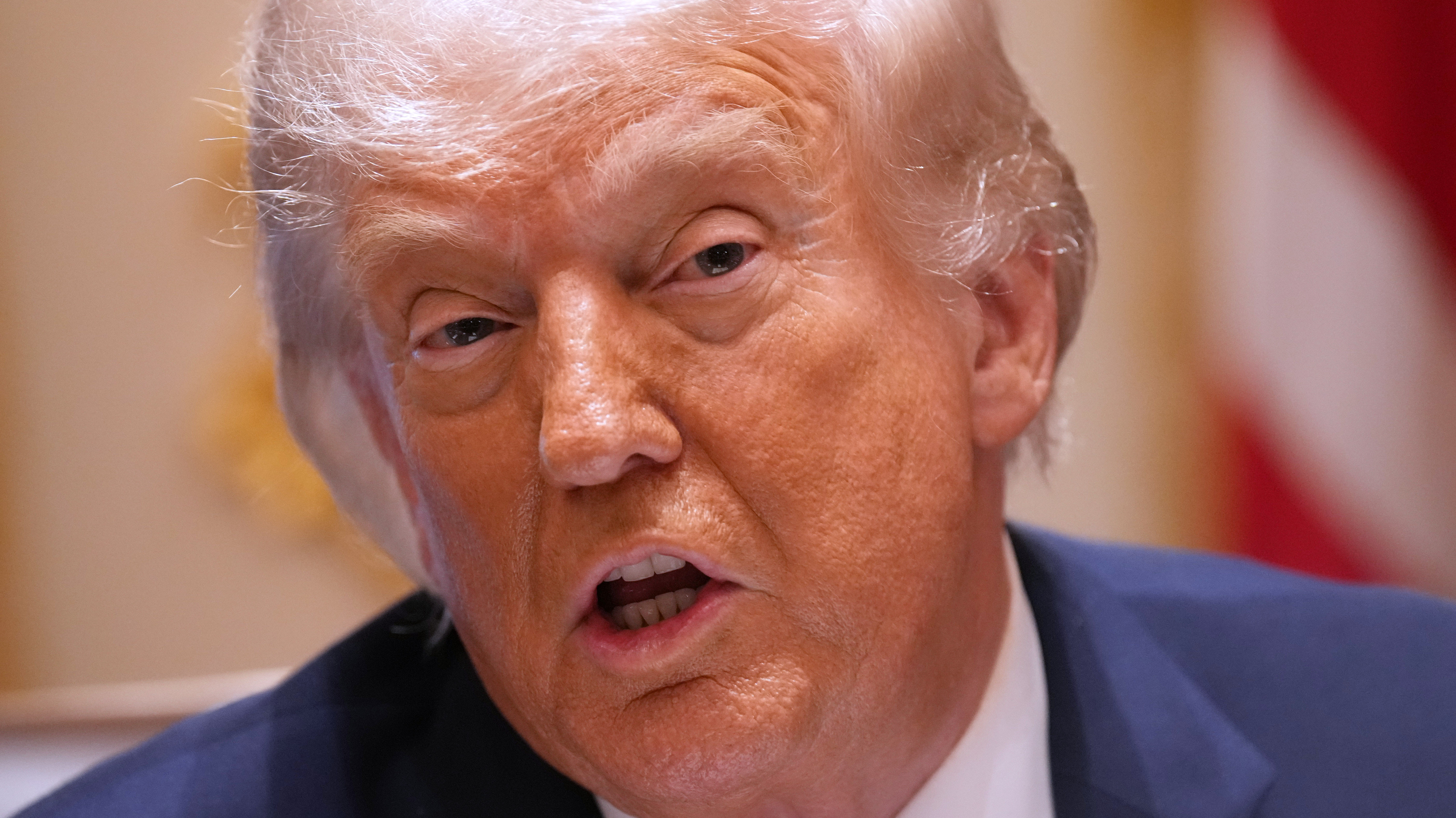
“The strait’s got to be open to everybody; it’s international waters,” Trump told reporters during a Cabinet meeting on Wednesday. “We’ll watch over it, but nobody’s going to control it. That’s part of the negotiation that we have.” The Cabinet session was held amid the fragile ceasefire talks, as covered in Trump's Cabinet meeting on the ceasefire.
Oil Prices Decline
Oil prices dipped Thursday as news of the tentative deal circulated. Brent crude traded around $94 per barrel, down from about $96 earlier in the day, while U.S. benchmark WTI crude fell to roughly $89 from $91. Prices had spiked since the war began due to the effective closure of the Strait of Hormuz, straining global supply and pushing domestic gas prices near record highs.
The average price for a gallon of gas nationwide stood at $4.43 as of Thursday afternoon, down about 12 cents from the prior week, according to AAA. “Much of the decline came after renewed optimism surrounding a potential U.S.-Iran agreement pushed oil prices lower, easing geopolitical pressure on energy markets,” said Patrick De Haan, head of petroleum analysis at GasBuddy. “While uncertainty remains elevated, the market appeared more confident that immediate worst-case supply scenarios may be avoided.”
High gasoline prices have become a major political liability for Trump and Republicans ahead of the midterm elections. A Quinnipiac University poll last month found that more than half of registered voters blamed Trump “a lot” for rising gas prices, with 14 percent blaming him “some.”
Nuclear Details Deferred
The proposed memorandum leaves the fate of Iran’s nuclear program and its enriched uranium stockpiles unresolved—a persistent sticking point in negotiations. Senior Trump administration officials justified the war as primarily aimed at preventing Iran from obtaining a nuclear weapon, citing an “imminent threat.” Iran has consistently rejected demands to halt enrichment, insisting its program is for peaceful energy production.
Sources say the MOU includes a pledge from Tehran not to seek a nuclear weapon and opens a new round of talks to address the issue further. Axios reports that addressing Iranian enrichment and disposing of its existing highly enriched uranium stockpile would be the first topics during the 60-day ceasefire extension. Treasury Secretary Scott Bessent told reporters Thursday that no sanctions relief would come until “Iranians agree that they have to turn over the highly enriched uranium.” Trump, in a Truth Social post Monday, said the “nuclear dust” could be turned over to the U.S. or destroyed “at another acceptable location.”
Both Sides Hedge
Although negotiators have agreed on the terms of the 60-day deal, both Washington and Tehran are leaving room for last-minute changes, with neither Trump nor Iranian leadership having officially signed off. Trump said over the weekend that a “largely negotiated” proposal was on the table and an announcement was imminent. But Secretary of State Marco Rubio hinted at delays while speaking to reporters in India, suggesting the final sign-off may take more time.