Only a small fraction of Americans alive today remember the 1962 Cuban Missile Crisis, the 13-day standoff that brought the world to the brink of nuclear annihilation. Now, as Vladimir Putin's invasion of Ukraine grinds into its fourth year, some analysts see echoes of that Cold War confrontation—but with complicated twists.
Harlan Ullman, senior adviser at the Atlantic Council and author of Anatomy of Failure: Why America Loses Every War It Starts, argues that the Cuban Missile Crisis was actually provoked by President John F. Kennedy. The backstory: Soviet leader Nikita Khrushchev had begun reducing military spending and shifting resources to domestic needs, believing he had a stable relationship with President Dwight Eisenhower. But Kennedy's 1960 campaign painted Eisenhower as soft on defense, and the new administration embarked on a major rearmament, citing a manufactured 'missile gap'—even though intelligence from Soviet Colonel Oleg Penkovsky showed the Soviets were actually far behind.
Facing a U.S. military buildup and unwilling to reverse his domestic spending, Khrushchev hatched a plan to secretly install nuclear-armed intermediate-range ballistic missiles in Cuba. He believed Kennedy, whom he had humiliated at their Vienna summit, would accept a fait accompli. Instead, Kennedy imposed a naval embargo, and after 13 tense days, Khrushchev blinked. The missiles were removed, and Khrushchev was ousted two years later.
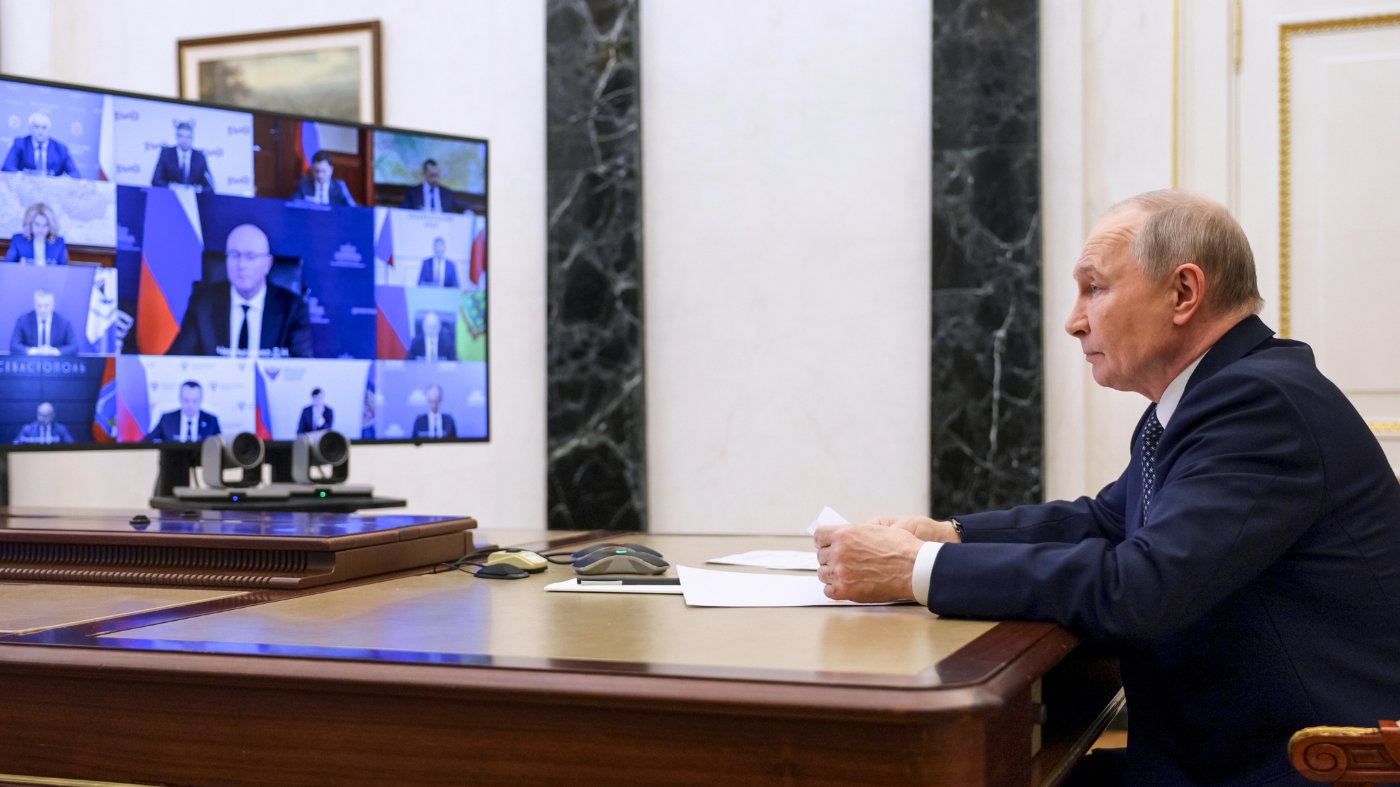
Ullman sees parallels in Ukraine. Putin seized Crimea in 2014 with little Western response. As NATO expanded, he felt increasingly isolated and launched a full-scale invasion in 2022, expecting a quick victory. But the war has lasted longer than World War I, with Russia suffering more than a million casualties, including up to 500,000 dead. Economic conditions are deteriorating, and Ukrainian strikes on Russia's energy sector have forced gasoline and electricity rationing.
Unlike Khrushchev, Putin faces no Politburo and appears to be in total control. But Ullman warns that if Ukraine threatens Crimea, a desperate Putin might meet Khrushchev's fate. The fiasco of 1962 may have reverberations today, as Russia is not winning in Ukraine.
Ullman notes that the parallels are not precise, but the linkages are clear. The Cuban Missile Crisis was a 13-day event; the Ukraine war has dragged on for years. Yet both involve a leader who overreached, miscalculated Western resolve, and now faces a prolonged stalemate with devastating consequences.
As Putin's nuclear bluffing escalates and Ukraine strikes deeper inside Russia, the question remains: Will Putin's gamble end like Khrushchev's? Ullman's upcoming book, co-written with former UK chief of defense Lord David Richards, Who Thinks Best Wins, explores how strategic thinking can prevent global chaos.