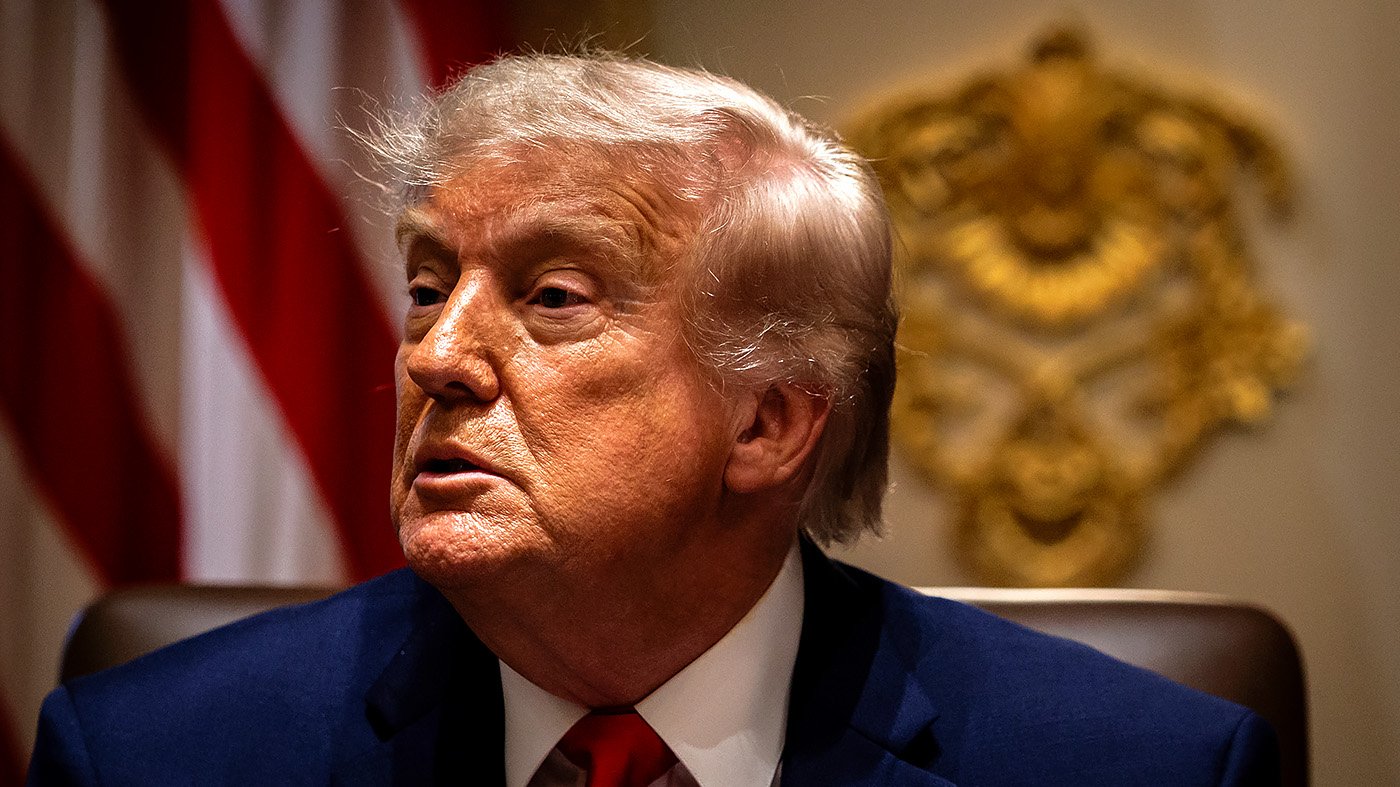
President Donald Trump is framing the ongoing negotiations to end hostilities with Iran as a contest where the United States holds the decisive advantage, attributing that edge to the military degradation inflicted by joint U.S.-Israeli operations. In an interview set to air Saturday night on Fox News’ “My View,” hosted by his daughter-in-law Lara Trump, the president acknowledged Iran’s negotiating acumen even as he underscored American dominance.
“They’re very good negotiators, they’re crafty, but in the end we have all the cards because we’ve defeated them militarily,” Trump said. He elaborated that Iran’s naval and air capabilities have been “totally gone, 100 percent,” while characterizing the Iranian ground forces as “somewhat moderate” and largely left intact. These assertions mirror claims he has repeated over the past three months.
The president’s comments come as his administration reports progress toward a tentative agreement. Trump announced Saturday that the U.S. and Iran are closing in on a deal that is “largely negotiated” and expected to be unveiled soon. According to U.S. sources, the emerging framework would extend the current fragile ceasefire by 60 days, guarantee unrestricted navigation through the Strait of Hormuz, and open a window for further talks on Tehran’s nuclear program.
Vice President JD Vance told reporters Thursday that the terms of the proposed memorandum of understanding are still being finalized, with nuclear enrichment remaining a major sticking point. The administration has consistently stated that preventing Iran from obtaining a nuclear weapon is the core objective of U.S. military operations, though Tehran has historically resisted constraints on its nuclear activities.
Iran walked away from scheduled negotiations with the U.S. last June after deadly Israeli airstrikes targeted its nuclear scientists, ballistic missile sites, and a key enrichment facility. That same month, the U.S. bombed three nuclear sites inside Iran. Trump referenced those strikes in the interview, saying, “If we didn’t hit them with the B2 bombers nine months ago, they would have a nuclear weapon right now, and it would be a whole different story.”
Neither Trump nor Iran’s Supreme Leader Mojtaba Khamenei has formally approved the latest draft deal, which would mark the most significant step toward a permanent end to the conflict since hostilities erupted in late February. The situation remains volatile: this week, U.S. forces conducted “defensive strikes” against Iranian missile launch sites and boats attempting to lay mines in the Gulf. In response, Tehran launched ballistic missiles at Kuwait, which were successfully intercepted.
Trump made clear in the interview the threshold for renewed U.S. offensive action: “A deal that wasn’t going to be good for us is the line, ultimately, because you know I’m playing it out and we’re going to see.”
Meanwhile, the administration faces other foreign policy challenges. Trump’s mediation efforts between Russia and Ukraine have collapsed, with Secretary of State Marco Rubio signaling a pullback. Domestically, House Democrats are demanding a GAO probe into Trump’s denial of disaster aid, adding to the political crosscurrents as the president navigates a complex international landscape.