Secretary of State Marco Rubio acknowledged on May 22 that the Trump administration is stepping back from its role as mediator in the Russia-Ukraine war, effectively conceding that months of high-stakes diplomacy have yielded little. Speaking in India, Rubio said, “We just, over the last few months, sort of sensed that there wasn’t a lot of progress being made, but maybe dynamics will change. And if they do, we stand ready to play whatever constructive role we can play. If someone else would like to handle it, they should.”
The collapse of the mediation effort is hardly surprising, given the administration’s mishandling of negotiations and President Trump’s refusal to use his leverage against the Kremlin. While Ukraine has signaled willingness to accept a painful settlement—including de facto Russian occupation of some territory—Moscow has shown no signs of compromise, instead demanding Kyiv’s full capitulation.
Early missteps set the stage for failure. In February 2025, Trump declared that Ukraine could not regain all its territory or join NATO, effectively endorsing key Russian demands before talks began. He later called Ukrainian President Volodymyr Zelensky a dictator and criticized him for not striking a deal sooner. Meanwhile, U.S. diplomats sided with Russia, North Korea, and Iran in opposing a UN General Assembly resolution that condemned Moscow as the aggressor. These moves delighted the Kremlin.
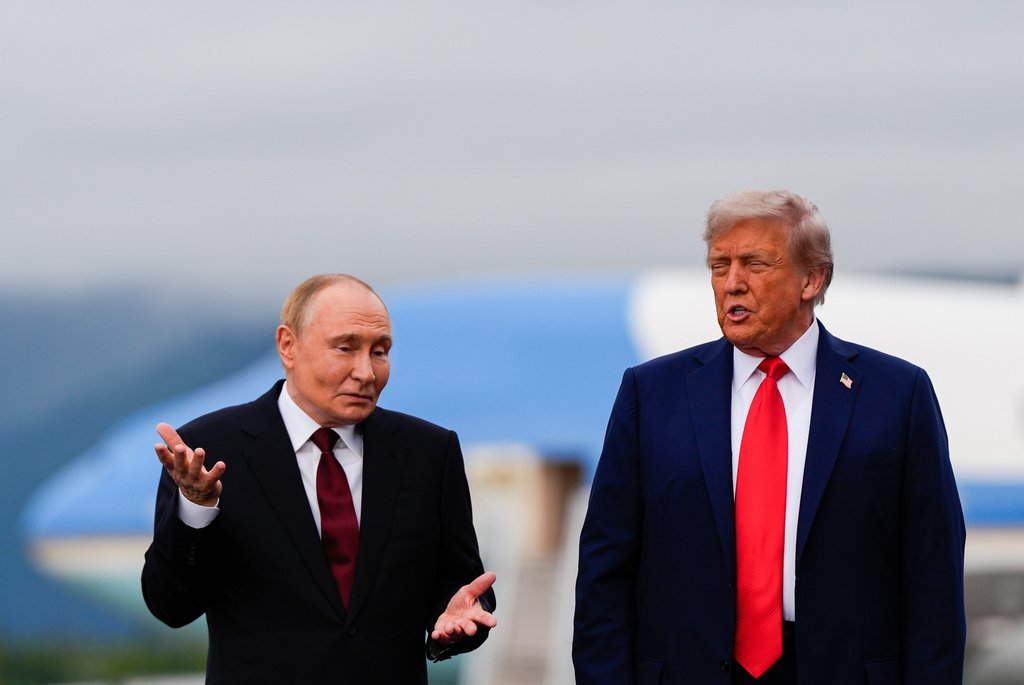
Trump has repeatedly claimed that Russian President Vladimir Putin wants a deal, stating in August that Putin “wants to make a deal for me” and in February 2026 that “Russia wants to make a deal and Zelensky is going to have to get moving.” Yet no evidence supports the notion that Moscow seeks a settlement on anything but its own terms.
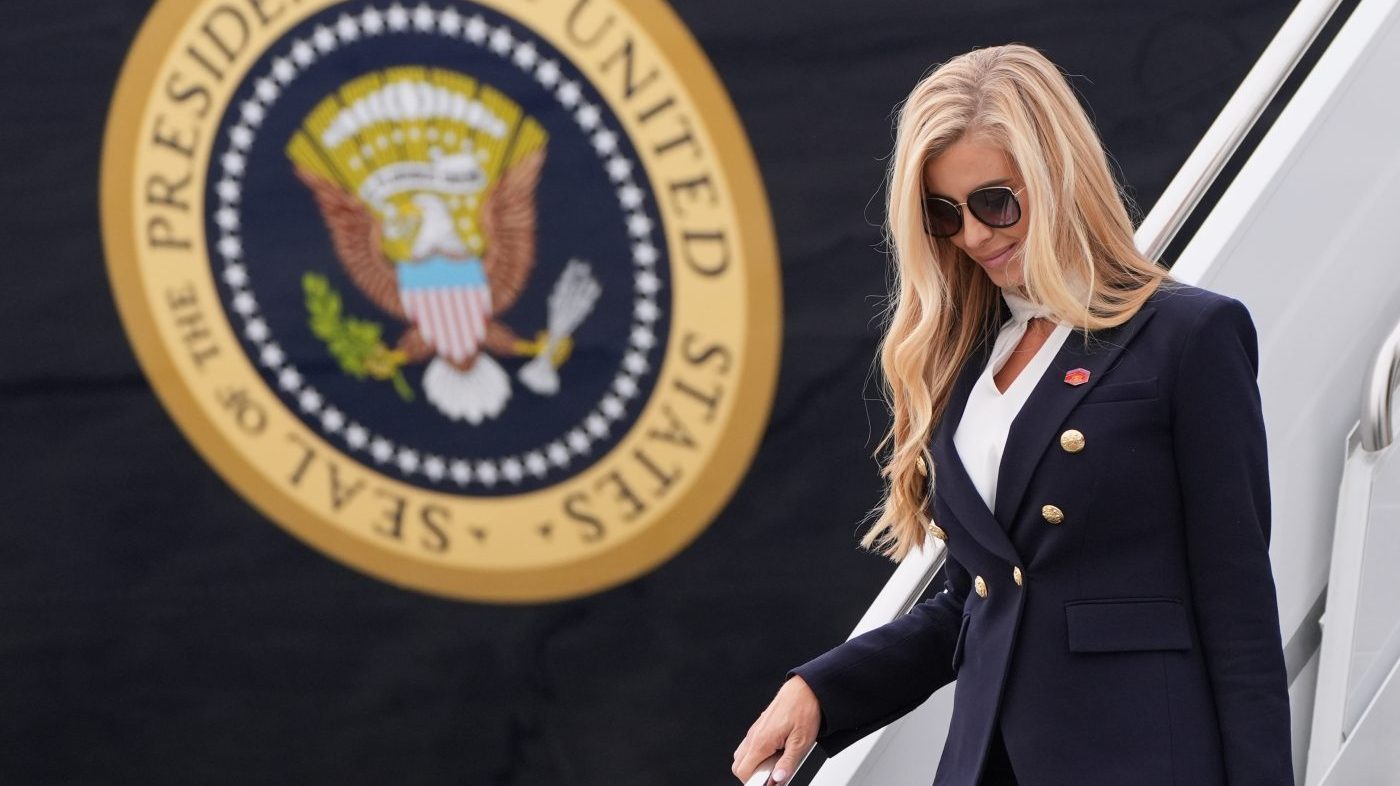
Trump’s chief negotiator, Steven Witkoff, has compounded the problem with a pro-Russia bias. He has visited Moscow eight times but never Kyiv. In a March 2025 interview, Witkoff suggested that four Ukrainian regions illegally annexed by Russia in 2022 should belong to Moscow because their residents speak Russian—ignoring that many Ukrainians speak Russian yet voted overwhelmingly for independence in 1991. Witkoff also displayed a troubling trust in Russian interlocutors, saying in March 2026 that “we can take them at their word” after Moscow denied providing Iran intelligence support against the U.S. He even coached Putin’s foreign policy advisor on how to address Trump during a key call.
Witkoff developed a 28-point peace plan with his Russian counterpart in November, which the White House endorsed. But the plan was so poorly received by Ukraine, European allies, and even some Republicans that Rubio took over and replaced it with a more balanced 20-point proposal.
The fundamental flaw, however, lies with Trump himself. Eager to maintain a friendly relationship with Putin, he has refused to apply pressure—such as tightening sanctions on Russia’s strained economy. Instead, the administration suspended oil sanctions against Moscow and boasted about ending aid to Ukraine in 2025. With no incentive to negotiate seriously, Putin has simply strung the White House along.
An end to U.S. mediation may actually benefit Ukraine, which has gained little from the effort. It would stop Washington from pressing Kyiv into one-sided concessions, like handing over territory not even occupied by Russian forces. The war continues, but Ukraine has recently blunted Russia’s spring offensive, liberated some territory, and used drones to strike Russian oil infrastructure.
If the Kremlin eventually seeks a genuine settlement, the mediator need not be American. European nations have a more direct stake and would likely provide a less biased effort—starting by sending their chief negotiator to both Kyiv and Moscow. As former U.S. Ambassador to Ukraine Steven Pifer notes, Europe is ready to step up.