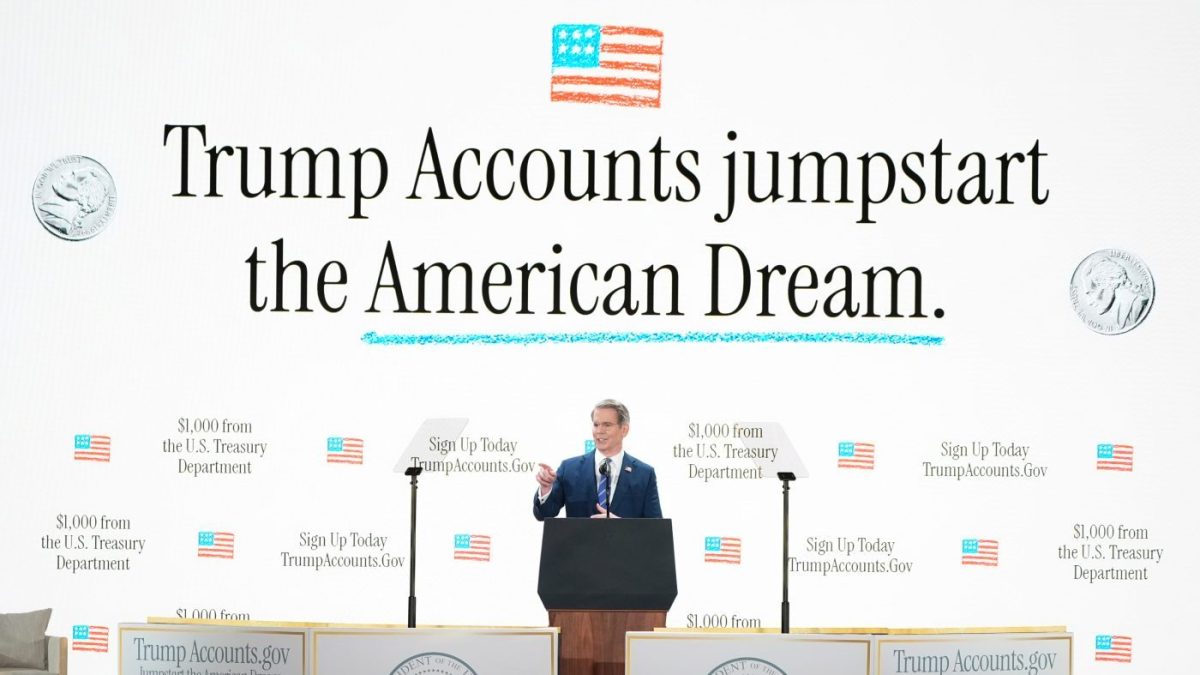
The Trump administration is set to roll out its much-anticipated “Trump accounts” on Thursday, launching a mobile app to accompany the child savings program created under the One Big Beautiful Bill Act. The initiative, which functions similarly to retirement accounts, has already drawn nearly 6 million sign-ups from families across the country.
The U.S. Treasury Department confirmed that families who registered will receive phased email notifications with instructions on activating their accounts, leading up to the official July 4 launch date. The program aims to provide children with a financial foundation they can access after turning 18, with funds earmarked for education, home purchases, or starting a business. Early estimates suggest the accounts could grow to thousands—or even millions—of dollars over time.

Here are five key things to know about Trump accounts as the rollout begins.
1. What Are Trump Accounts?
Established under the One Big Beautiful Bill Act, Trump accounts are tax-advantaged savings and investment vehicles designed to grow alongside the child. Unlike standard savings accounts, they are structured to encourage long-term growth, much like 401(k) or IRA plans, but tailored for minors. The accounts are managed by the Treasury Department, with funds invested in a mix of assets determined by the government.
The program has been a cornerstone of the administration’s economic agenda, pitched as a way to build generational wealth for American families. Critics, however, have raised concerns about the potential for political branding and the long-term costs to taxpayers.
2. How to Sign Up and Access the App
Families who have already registered will begin receiving emails from the Treasury Department this week, with step-by-step instructions on setting up their accounts. The emails will be sent in waves to manage demand, and the official Trump accounts app goes live on Thursday. The app, available on major platforms, allows parents to monitor account balances, adjust investment preferences, and track contributions.
For those who haven’t signed up yet, the Treasury says registration remains open through the July 4 launch date. The administration has promoted the program heavily, with ads on social media and during recent campaign-style events, including a July 4 celebration that has faced controversy after multiple performers backed out.
3. What the Funds Can Be Used For
Once a child turns 18, the funds can be withdrawn for specific purposes: education costs (tuition, books, room and board), purchasing a first home, or starting a business. The Treasury has emphasized that these are not unrestricted cash accounts; withdrawals for other uses may incur penalties and taxes. This structure mirrors that of 529 college savings plans but with broader eligibility.
The administration estimates that a child born today could see their account grow to over $100,000 by age 18, assuming average market returns and maximum contributions. However, these projections depend on continued government contributions and market performance, which remain uncertain.
4. Political and Policy Context
The Trump accounts program is part of a broader push by the administration to reshape federal savings and investment policies. It comes amid other controversial moves, such as the $465 million Union Station revamp and the proposed $250 bill featuring Trump’s portrait, which has drawn sharp criticism from Democrats.
House Democrats have also formed a new anti-corruption caucus, targeting what they call the administration’s ethical lapses, including the Trump accounts program. Critics argue the accounts serve as a political tool to build loyalty among young voters and their parents, while supporters say they provide a much-needed safety net for families struggling with rising costs.
5. What to Watch For
As the July 4 launch approaches, families should watch for official emails from the Treasury Department and avoid phishing scams. The administration has warned that scammers may try to exploit the rollout. Additionally, the program’s long-term viability could be tested by legal challenges or changes in administration policy.
With the app launching Thursday, the first wave of families will be able to set up their accounts and begin contributing. The Treasury has promised a user-friendly interface and robust customer support, though early reviews from beta testers have been mixed. For now, the Trump accounts represent one of the most ambitious federal savings initiatives in decades, with the potential to reshape how American families plan for their children’s futures.