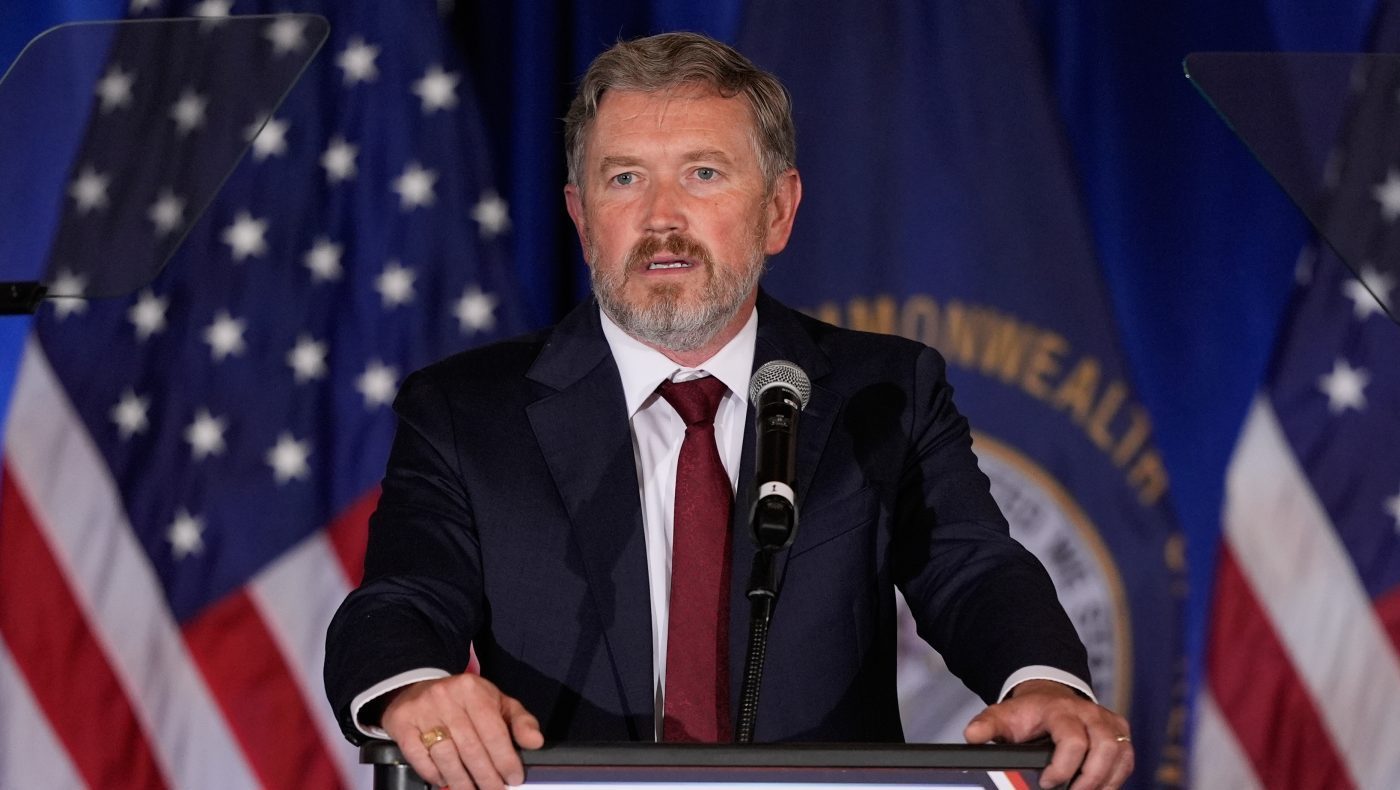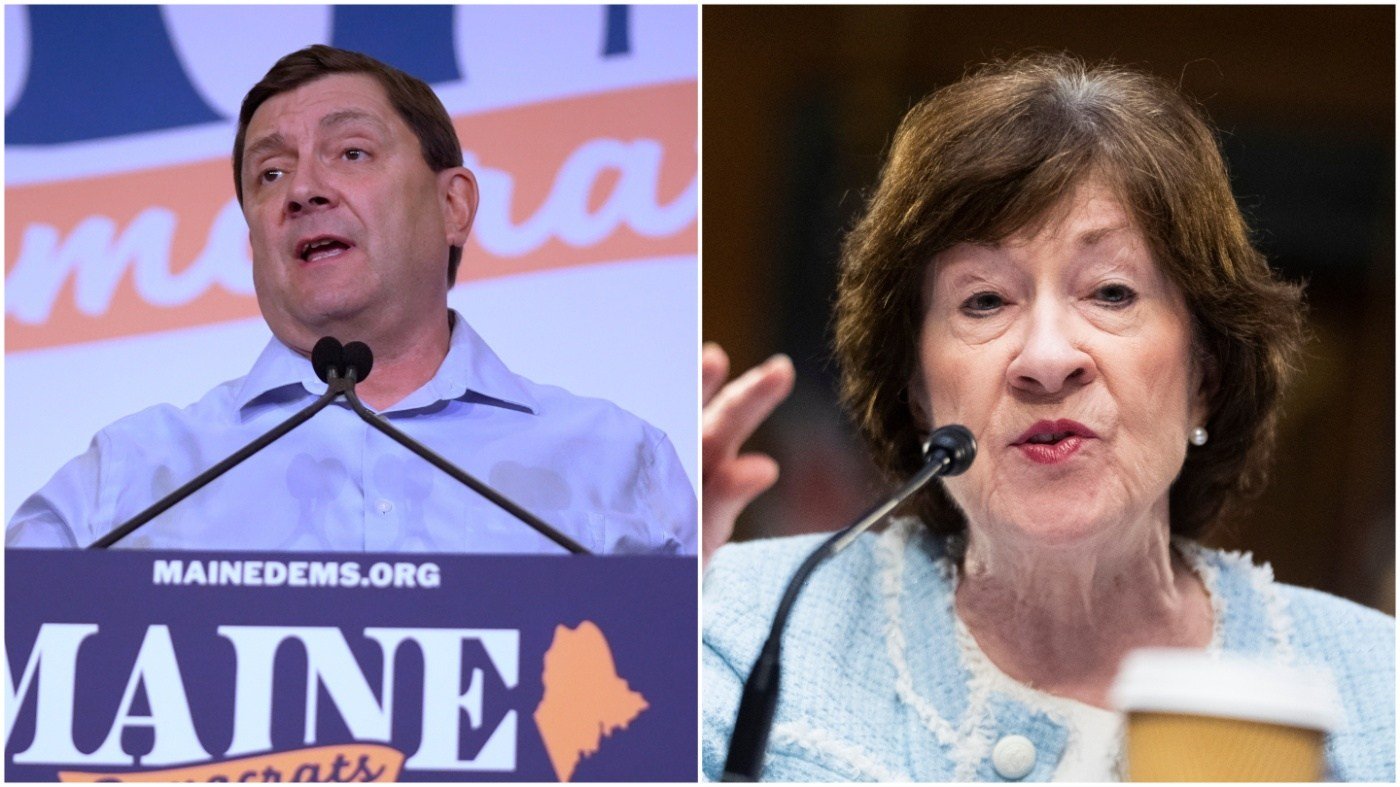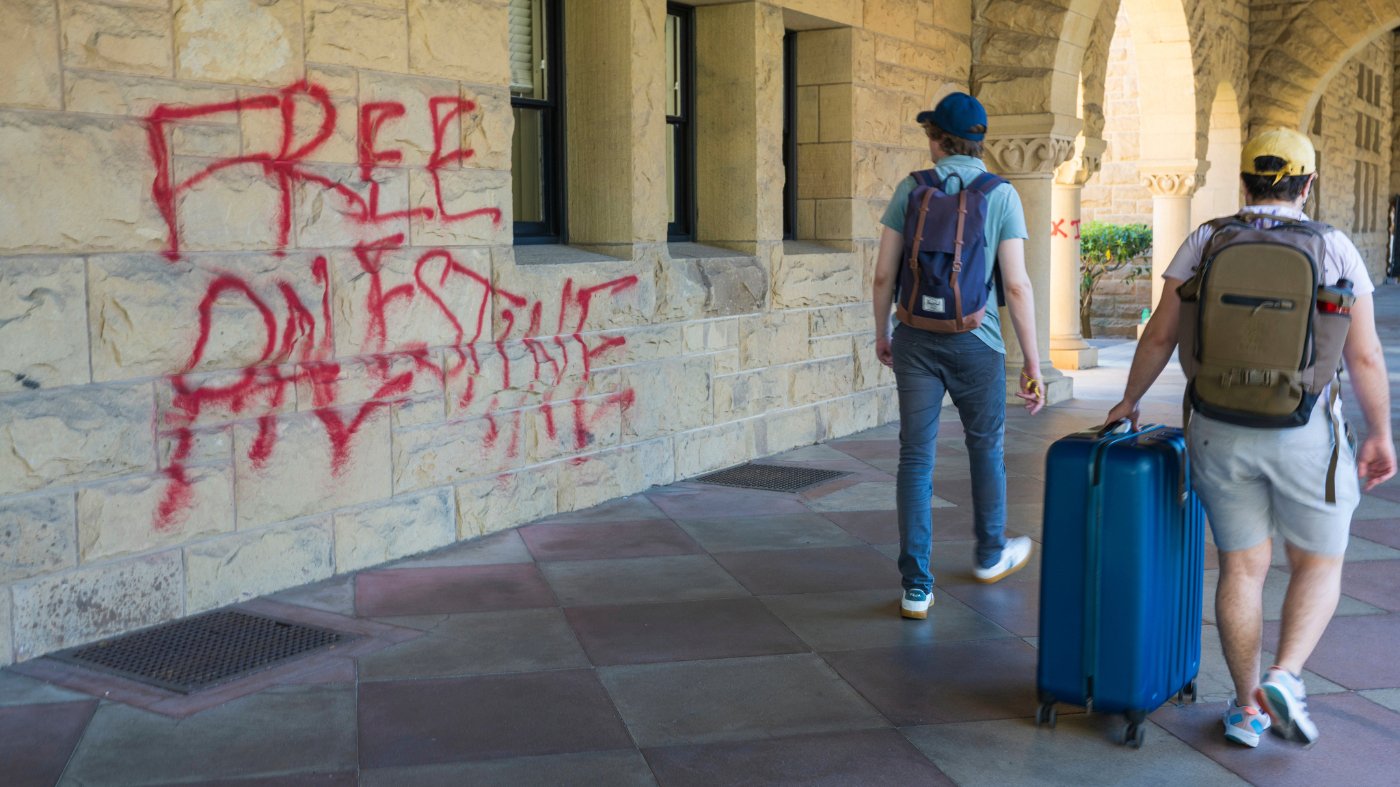
A California judge has upended a routine vandalism prosecution by removing the entire Santa Clara County District Attorney's office, ruling that the elected prosecutor's public work fighting antisemitism made him too biased to try activists who trashed Stanford University's president's office.
The case stems from a June 2024 protest where demonstrators occupied the Stanford president's office, causing over $360,000 in damage—breaking windows, spray-painting walls, and disabling security cameras. District Attorney Jeff Rosen charged 12 individuals with felony vandalism and conspiracy to trespass, notably declining to add hate crime enhancements, a decision that arguably favored the defendants by focusing on conduct rather than motive.
After a jury deadlocked 9-3 on vandalism and 8-4 on conspiracy, Rosen announced a retrial. The defendants then moved to recuse him, arguing his campaign website and a December email to about 600 supporters improperly linked the case to his broader anti-antisemitism advocacy. Judge Kelley Paul agreed, removing Rosen and his entire office on May 8.
Legal experts quickly condemned the ruling as an extreme overreach. Under California Penal Code Section 1424, recusal requires an “actual likelihood of unfair treatment,” not merely a perception of impropriety. Disqualifying an entire office demands an “especially persuasive” showing that the district attorney's personal interest would infect line prosecutors—a bar the California Supreme Court has set very high.
In Haraguchi v. Superior Court, the state's top court declined to recuse a prosecutor who had written a novel resembling his own case, giving him a direct financial stake. If that wasn't disqualifying, critics argue, a 600-person campaign email shouldn't be either. By contrast, in People v. Pomar, San Francisco DA Brooke Jenkins was properly recused after publicly attacking her office's handling of a murder case involving a family member—a concrete, personal conflict absent here.
Rosen's only “conflict” is that he believes antisemitism is a serious problem and described this case in that context. Yet district attorneys routinely campaign on priorities—fighting gangs, domestic violence, or hate crimes—without being disqualified from related cases. New York AG Letitia James pursued Donald Trump after campaigning against him; Manhattan DA Alvin Bragg prosecuted Trump after running on his prior Trump work; Alameda DA Pamela Price campaigned on racial equity and wasn't recused from racially charged cases.
“It strains credulity to claim that the same rhetoric crosses the line only when the crime being fought is antisemitism and the prosecutor is Jewish,” wrote Mark Goldfeder, a law professor and CEO of the National Jewish Advocacy Center, in the original analysis.
The defendants weren't charged for criticizing Israel or for the antisemitic content of their graffiti—they were charged for breaking into offices and causing property damage. If the evidence is weak, the remedy is acquittal, not recusal of the entire prosecution team.
Rosen's own framing—dissent is protected, vandalism is criminal—captures the proper balance. The judge's ruling, however, risks politicizing prosecutorial recusal, allowing defendants to shop for a friendly prosecutor based on the DA's worldview rather than any concrete bias. As Goldfeder noted, a defendant isn't entitled to a prosecutor with no worldview, only one who can apply the law fairly.