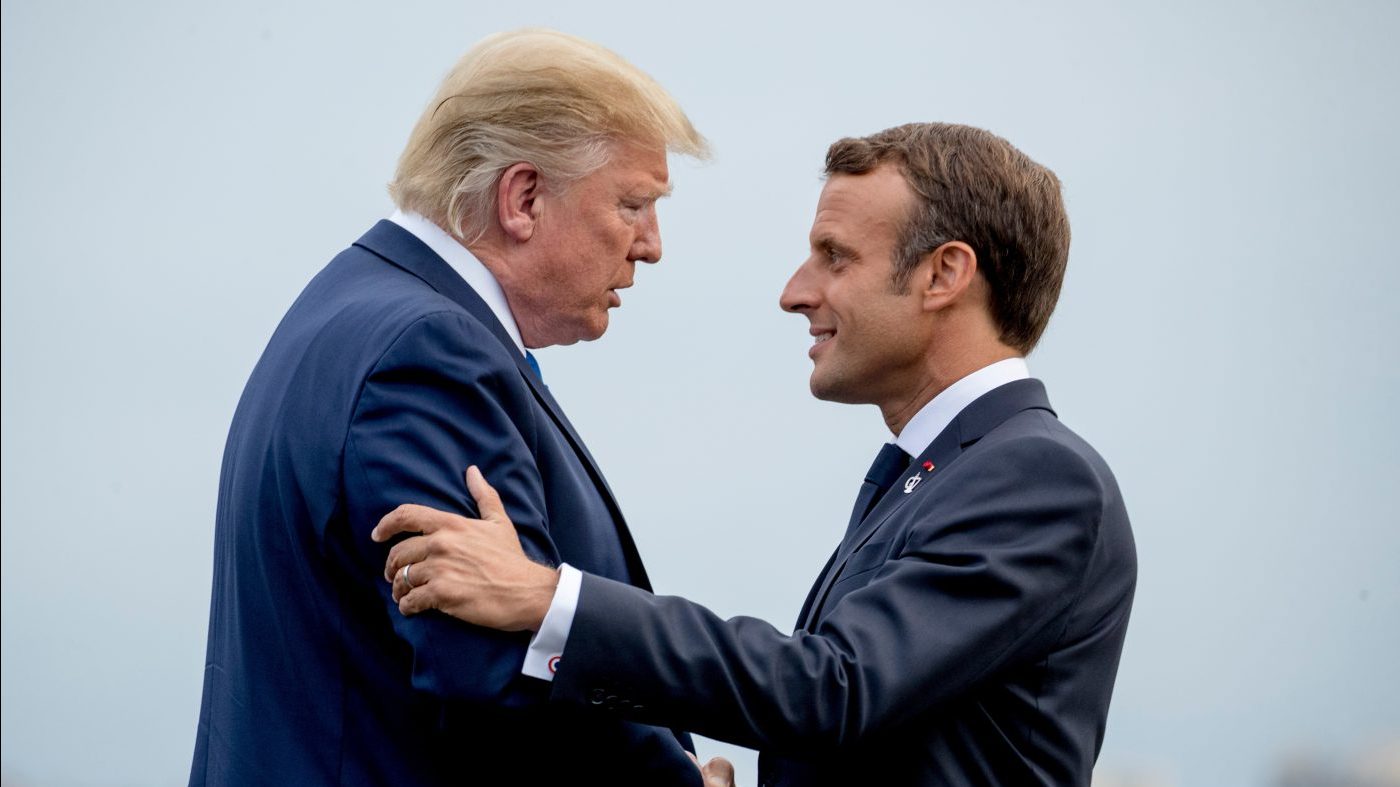
French President Emmanuel Macron pressed Middle Eastern leaders on Sunday to rally behind a peace deal between the United States and Iran, warning that the window for a diplomatic resolution is narrowing after months of conflict shut down the Strait of Hormuz.
Macron said he held talks with Saudi Crown Prince Mohammed bin Salman, Omani Sultan Haitham bin Tariq, Emirati President Mohammed bin Zayed, and Egyptian President Abdel Fattah al-Sisi, delivering a unified message: time is running out.
“To all of them, I delivered the same message: it is essential that an agreement between the United States and Iran be reached quickly. This opportunity must be seized now,” Macron wrote on X.
The French leader stressed that a ceasefire must come first, with the Strait of Hormuz reopened unconditionally and in line with international law. The waterway’s closure has sent energy prices soaring, rattling global markets and fueling economic anxiety.
Last Friday, the US and Iran reached a tentative agreement for a 60-day memorandum of understanding to extend the current ceasefire. But the deal still needs President Trump’s approval, and sources say he is pressing Iran to make concessions on nuclear material—a longstanding sticking point—before signing off.
The stakes are high. As talks drag on, Israel has expanded its offensive strikes in Lebanon, violating its own ceasefire with that country. Analysts warn that the escalation could derail broader hopes for de-escalation across the region.
“As for regional stability, it must begin with Lebanon, where it is urgent that the weapons fall silent—all of them, and for good. Nothing justifies the major escalation currently underway in southern Lebanon,” Macron wrote. He added that France will continue backing Lebanese authorities in their push to restore state sovereignty and territorial integrity.
The diplomatic push comes amid broader tensions over US-Iran policy. Senator Thom Tillis has blasted the emerging Iran deal as illogical and criticized Defense Secretary Pete Hegseth’s war leadership, while state and local leaders are exploring ways to shield Americans from energy price spikes tied to the conflict.
Macron’s intervention underscores the fragile state of Middle East diplomacy, where a single misstep could unravel months of painstaking negotiations—and send global markets into another tailspin.