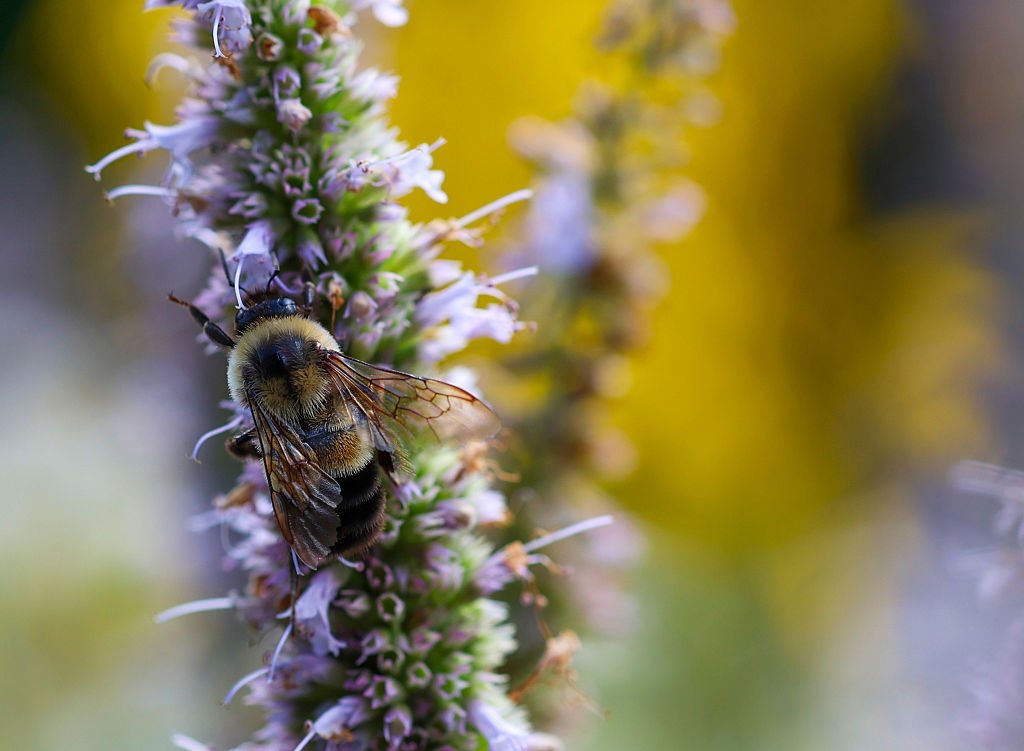
The U.S. Fish and Wildlife Service (FWS) on Friday finalized the designation of roughly 1.5 million acres across six states as critical habitat for the rusty patched bumblebee, a once-common pollinator now teetering on the brink of extinction. The decision, which follows a legal battle with environmental advocates, aims to stem the bee's dramatic decline by protecting key areas from further destruction.
The rusty patched bumblebee (Bombus affinis) was historically found in roughly half the United States, from Maine to Georgia and westward to the Dakotas. Today, confirmed sightings have been limited to just 13 states since 2000: Illinois, Indiana, Iowa, Maine, Maryland, Massachusetts, Minnesota, North Carolina, Ohio, Pennsylvania, Tennessee, Virginia, and Wisconsin, as well as Ontario, Canada. In 2017, it became the first bee species to be federally listed as endangered under the Endangered Species Act.
The new critical habitat designation covers 33 counties across Illinois, Iowa, Minnesota, Virginia, Wisconsin, and West Virginia. The areas include parts of major metropolitan regions such as Minneapolis-St. Paul, Chicago, Iowa City, and Milwaukee, where the bee has been most frequently observed. The FWS emphasized that the designation does not create new reserves or alter land ownership, but it does require federal agencies to consider potential impacts on the bee's habitat when permitting or funding projects.
“This determination is the result of over a decade of fighting to secure protections for the rusty patched bumblebee and the areas it depends on to survive,” said Lucas Rhoads, senior attorney at the Natural Resources Defense Council (NRDC). “Many of its native grasslands have been wiped out, so protecting its last remaining habitat from further destruction is just common sense. These legal protections will help give us the best chance of recovering this once-common pollinator.”
The NRDC, along with the Center for Biological Diversity and Friends of Minnesota Scientific and Natural Areas, filed a lawsuit after the FWS initially declined to designate critical habitat for the bee. The suit argued that without such protections, the species would face continued threats from habitat loss, pesticides, and climate change.
The rusty patched bumblebee’s decline has been stark. Once found in 28 states and the District of Columbia, its range has shrunk by nearly half. Scientists point to a combination of factors, including pathogens, pesticides, habitat loss, competition from managed bees, and the effects of climate change. “These may include pathogens and parasites, pesticides and fungicides, habitat loss and degradation, managed bees, and the effects of climate change and small population biology,” Jay Watson, a conservation biologist for the Wisconsin Department of Natural Resources, told Nexstar in 2024.
The FWS has also updated a map showing the bee’s current range and potential areas for recovery. High-potential zones for the bee’s spread include southern, eastern, and northeastern Wisconsin; southeastern Minnesota; northeastern Iowa; northern Illinois; and the border region between West Virginia and Virginia. Smaller pockets of suitable habitat are scattered across Iowa, Wisconsin, Minnesota, Michigan, Indiana, Virginia, Massachusetts, and Maine.
The designation is a significant step for pollinator conservation, but it may also affect development projects that involve federal funding or permits. Critics argue that such protections could slow economic growth, while supporters say they are essential to preserving biodiversity. The NRDC called the protections “essential to the survival of one of America’s most imperiled pollinators.”
The rusty patched bumblebee’s plight reflects broader concerns about pollinator health across the United States. As states like Minnesota—which declared the bee its official state insect—and others grapple with habitat loss, the federal action provides a legal framework to prevent further decline. The FWS will continue to monitor the bee’s status and may revise the habitat designations as new data emerges.