The United States maintains a nuclear arsenal capable of being deployed within minutes of a presidential order. This command structure centers on the "nuclear football," a secure communications system that remains within immediate reach of the commander-in-chief at all times. The president possesses sole authority to initiate a launch, requiring no consultation with Congress, the courts, or cabinet members.
The Core Concern: Unilateral Power and Mental Fitness
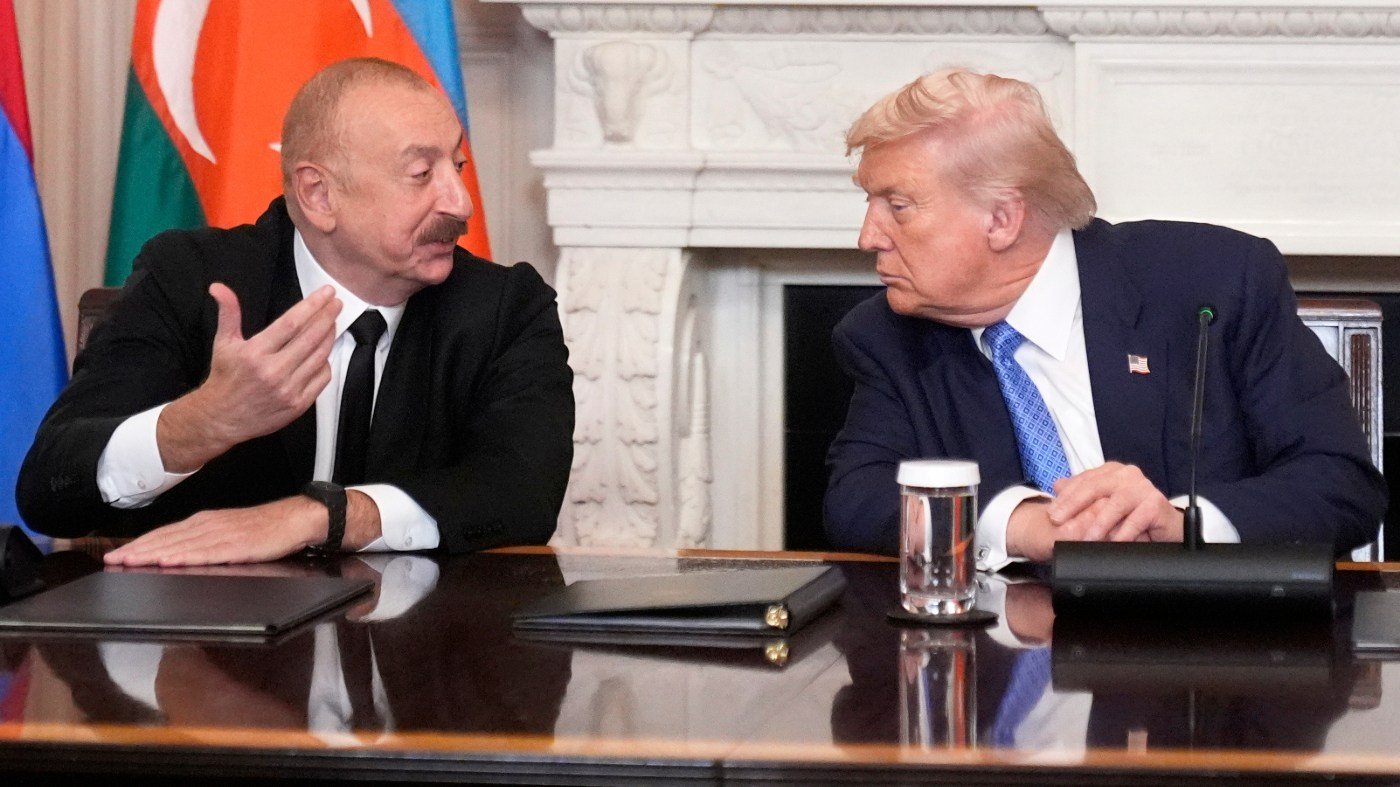
This arrangement creates what experts describe as a nightmare scenario: a president experiencing mental instability ordering an unjustified nuclear attack. Recent behavior by former President Donald Trump has amplified these concerns among national security veterans, foreign officials, and former allies. Actions cited include posting violent imagery, making extreme threats against nations like Iran, and engaging in what observers call erratic public displays. A majority of Americans now believe Trump has grown more unstable with age.
Historical Precedents for Intervention
Twice in modern history, senior officials have taken extraordinary steps to guard against potential misuse of nuclear authority by a president perceived as unstable.
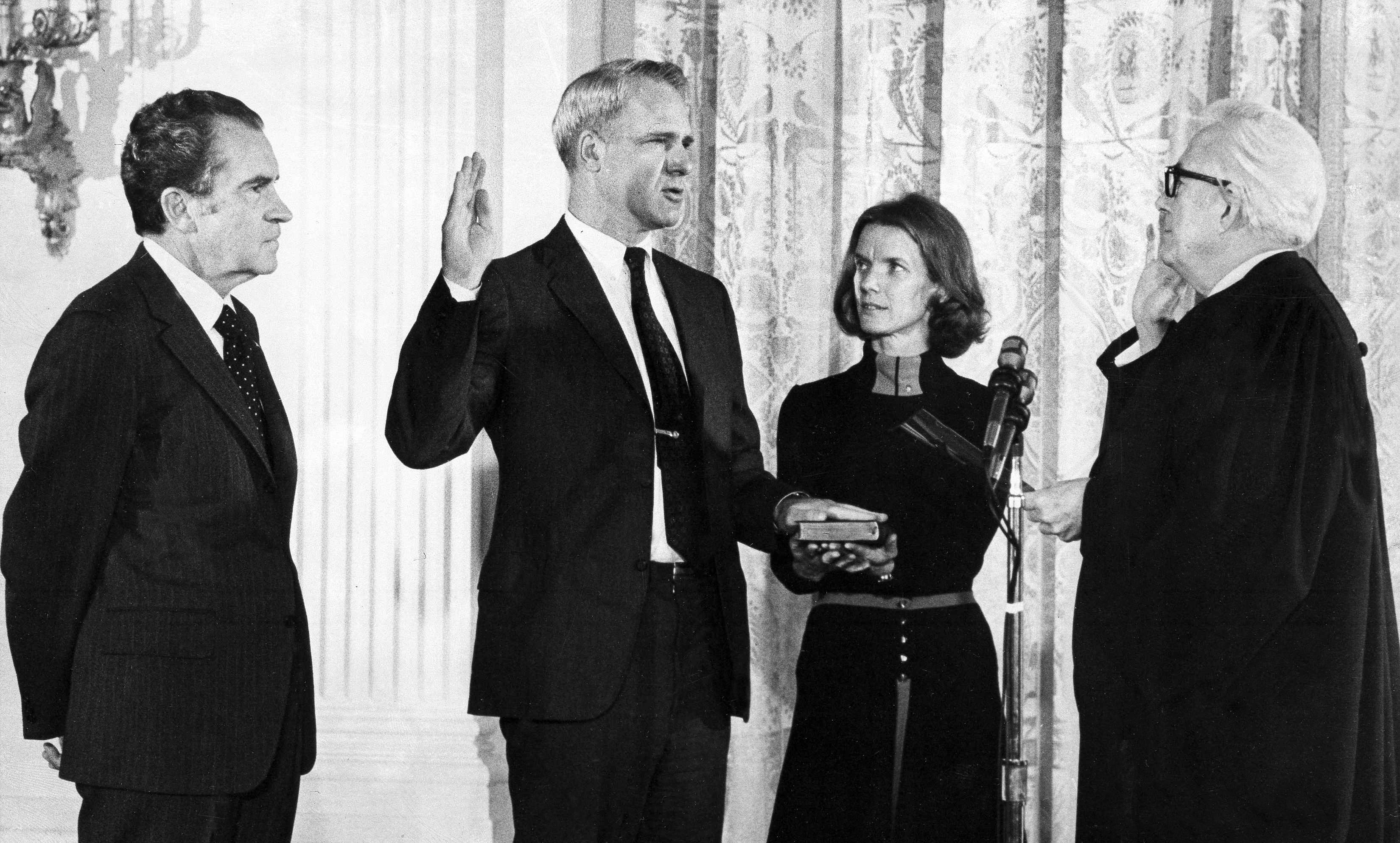
In 1974, with President Richard Nixon emotionally distressed and drinking heavily during the Watergate crisis, he reportedly told congressmen he could cause tens of millions of deaths with a phone call. Alarmed, Senator Alan Cranston contacted Defense Secretary James Schlesinger, who then instructed military commanders to verify any launch orders from Nixon with him or Secretary of State Henry Kissinger first.
A parallel situation occurred following the January 6th Capitol attack. House Speaker Nancy Pelosi contacted Chairman of the Joint Chiefs General Mark Milley seeking assurances about preventing an unstable president from ordering a nuclear strike. Milley noted that while the president alone can order a strike, "several people have to launch it." He subsequently directed that he be notified of any planned military actions.
The Current Landscape and a Potential Future
The lesson from these episodes is clear: preventing catastrophe may depend on the judgment and courage of cabinet officers and generals appointed by the president themselves. They must balance duty to the office with duty to the nation, potentially exceeding their formal authority.
This moment generates particular anxiety because a future administration might include officials less inclined toward such restraint. Speculation centers on figures like Pete Hegseth, viewed by critics as embracing confrontational rhetoric, such as framing conflict with Iran in religious terms. This comes amid ongoing tense nuclear diplomacy with Iran and follows Trump's vows to prevent an Iranian nuclear weapon.
The fundamental architecture of nuclear command remains unchanged. The president's briefcase and codes represent the ultimate concentration of destructive power in a single individual's hands. As political tensions rise, the system continues to rely on human safeguards—the very officials serving at the pleasure of the president they might need to check.
This enduring vulnerability underscores a permanent tension in American democracy, where constitutional command authority meets the unpredictable variable of human psychology at the highest level of power.